Start with a clearly labelled standard black tea if the shop is serving people who want a familiar everyday cup, and offer decaf black tea separately for those choosing to reduce caffeine. Match pack sizes to expected use; if tea bags go into a jar, keep them cool and dry and retain the pack information needed to identify the tea and check its best-before date.
Who is the tea for?
The right assortment depends on whether shoppers want a conventional black tea, a decaf alternative or stock that is easy to identify in a shared space.
Buyers stocking everyday tea
For a retirement shop serving traditional tea drinkers, start with an identifiable black-tea line. The UK Tea & Infusions Association’s May 2025 Tea Census reported that 86% of its surveyed adults aged 65 and over mainly drank black tea; that does not establish what every shop’s customers will choose.
Buyers offering a decaf choice
A separately labelled decaf black tea lets people choose a familiar tea style while reducing caffeine. Check the exact pack wording: decaf does not necessarily mean caffeine-free.
People managing shared stock
Pack count and storage matter when tea is used from a shared shelf or jar. Keep the product identity, ingredients and best-before information accessible after opening the carton.
What should you check before buying?
Choose the tea type first, then a pack quantity you can use and store appropriately. Treat a jar as a way to organise tea bags, not as a reason to discard their packaging information.
| Priority | What to check | Your needs |
|---|
| Everyday tea |
Check that the pack says black tea and note its bag count. Keep standard and decaf packs distinguishable. |
I want a recognisable everyday tea. In its May 2025 Tea Census, the UK Tea & Infusions Association reported that 86% of surveyed adults aged 65 and over mainly drank black tea. |
| Caffeine wording |
Distinguish standard black tea, decaf tea and a labelled caffeine-free infusion. Check an infusion’s ingredients rather than assuming every blend is caffeine-free. |
Someone using the refreshment area may want less caffeine, while someone avoiding caffeine needs a different, clearly identified choice. |
| Pack turnover |
Compare bag counts with expected use and the space available for cool, dry storage. Check the best-before date on the pack. |
If demand is uncertain, I would rather start with a quantity that is straightforward to use and keep organised. |
| Jar storage |
Use a clean, dry container and retain the carton or associated product information. Make the tea type and decaf status clear at the point of use. |
Tea bags may be easier to reach in a jar, but I still need to identify them and check ingredients and dates. |
| Pack claims |
Check sourcing, tea-bag material and disposal wording on the exact pack. Follow its instructions and the available local collection route. |
If packaging or sourcing matters to the shop, I need product-specific wording rather than an assumption about the whole brand. |
What can go wrong with packs and jars?
-
Treating decaf as caffeine-free
Decaffeinated black tea can retain traces of caffeine. The wording also matters for herbal and fruit blends, which may contain caffeine-bearing ingredients.
Check the individual pack and ingredients. If avoiding caffeine is important, keep a clearly labelled caffeine-free choice distinct from decaf tea.
-
Choosing a large pack without considering use
A higher bag count means more tea to store and rotate. Poor turnover or storage can make a seemingly convenient pack harder to manage.
Estimate how quickly the shop will use the bags, check their best-before date and choose a pack count that fits its storage routine.
-
Filling an unlabelled jar
Once the carton is separated from the tea bags, similar-looking products can be difficult to identify, including whether they are standard or decaf.
Keep the original carton nearby or retain its identifying information with the jar, and follow the pack’s cool, dry storage instructions.
Which tea ranges are relevant?
These brand examples help distinguish product types and pack details; a brand name alone does not establish the contents of a particular pack.
Tetley
Tetley has a decaf black-tea option alongside its wider tea range.
- Tesco lists a Tetley decaffeinated 160-bag, 500g pack and instructs cool, dry storage.
- Choose the larger pack with expected turnover in mind; check the received pack for its exact wording and date.
PG Tips
A decaf black-tea option is listed alongside the brand’s Original tea.
- Retailer listings identify a 70-bag decaf pack; Sainsbury’s describes it as containing less than 0.2% caffeine.
- That caffeine statement concerns the listed decaf product, not PG Tips Original or every pack in the range.
Yorkshire Tea
The brand presents standard, decaf and hard-water tea varieties.
- The distinct variety names help buyers check which tea they are ordering.
- Do not treat the varieties as interchangeable; confirm the type and pack details of the chosen product.
Twinings
Twinings offers decaf tea as well as herbal and fruit infusions.
- Its decaf guidance distinguishes tea with caffeine removed from an infusion labelled caffeine-free.
- Twinings says UK decaf teas typically contain no more than 0.2% caffeine; check the specific pack when that distinction matters.
Clipper
Clipper has an Organic Everyday Decaf black-tea product.
- Clipper describes its 80-bag product as made with Fairtrade and organic tea.
- Check the exact pack if those claims affect the purchase; they should not be assumed for every Clipper variety.
Typhoo
Typhoo lists an 80-bag decaf tea option.
- Typhoo specifies 3.125g of tea per bag for its listed decaf product.
- Use the received pack’s identification and storage instructions when supplying it from shared stock.
Tea bags on Joybuy
These standard and decaf tea-bag packs offer different counts for an everyday line, a separately labelled decaf choice or a smaller decaf trial. Choose a count that fits the shop’s expected use and check the pack before transferring bags to a jar.
 No image available
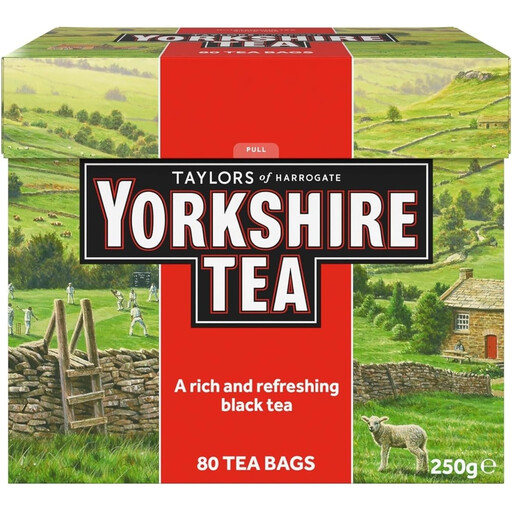
Taylors of Harrogate Yorkshire Tea, 80 bags, 250g
A standard black-tea option for an everyday line. The pack contains 80 tea bags; keep a separately labelled choice if decaf is needed, and store this tea cool and dry.
 No image available
Tetley Decaffeinated Tea, 80 bags, 250g
A decaf black-tea choice in an 80-bag pack. Keep it distinct from standard tea, store it cool and dry, and check the received pack’s caffeine wording if that distinction is important.
 No image available
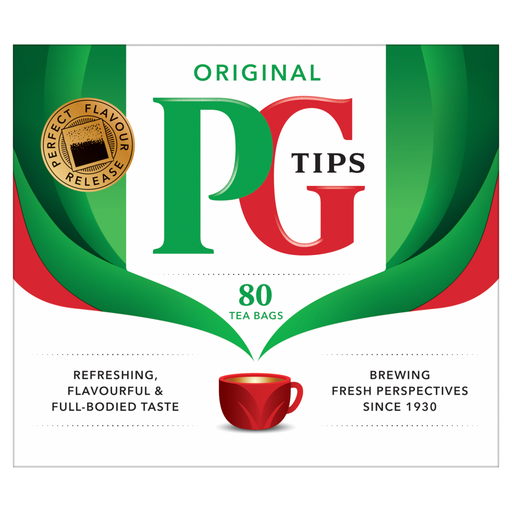
PG Tips Original, 80 bags, 232g
An Original black-tea option for the standard line, with 80 bags per pack. It is not presented as decaf; store it cool and dry and label any decaf stock separately.
 No image available
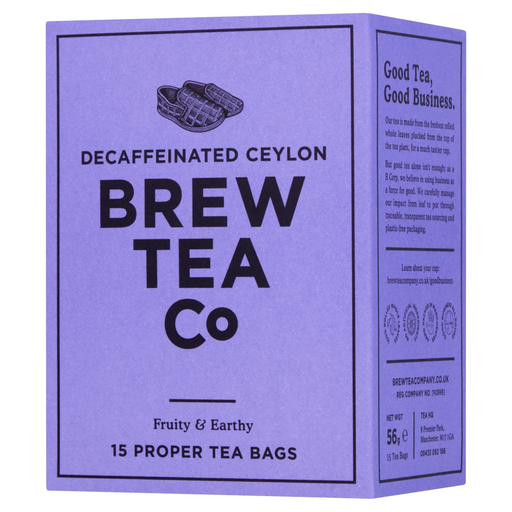
Brew Tea Co Decaffeinated Ceylon Tea, 15 bags, 56g
The 15-bag count gives a smaller quantity for a decaf trial. The title and description identify decaffeinated Ceylon tea, but check the received pack’s decaf wording before offering it as such; store it cool and dry.
 No image available
Tetley Decaf Tea, 160 bags, 500g
A larger decaf black-tea pack for a shop expecting to use that quantity. Allow for its 160-bag count when planning turnover, store it cool and dry, and do not assume decaf means caffeine-free.
Tea-bag questions
Should a retirement shop offer both standard and decaf black tea?
Offer both if customers want a conventional black tea as well as a lower-caffeine choice. The UK Tea & Infusions Association’s May 2025 Tea Census reported that 86% of surveyed adults aged 65 and over mainly drank black tea; label decaf separately rather than replacing the standard line without considering the shop’s customers.
Is decaf tea caffeine-free?
Not necessarily: decaffeinated tea can retain traces of caffeine. Twinings says UK decaf teas typically contain no more than 0.2% caffeine. Check the chosen pack, and inspect an infusion’s ingredients if a caffeine-free choice is needed.
Can opened tea bags be kept in a jar?
Yes, if the container is clean and dry and the tea is kept in line with its cool, dry storage instructions. Keep the carton or associated information available so people can identify the tea and check its ingredients and best-before date.
How long should the tea bags brew?
Follow the chosen pack’s instructions, as brewing guidance varies by product. Yorkshire Tea recommends 4–5 minutes for its brew, while Home Bargains lists 1–2 minutes for its PG Tips Decaf 70-bag product; neither time should be applied automatically to every tea.


