What should you check before buying?
Start with the brewing equipment and likely number of drinkers, then choose a pack you can store appropriately between visits.
| Priority |
What to check |
Your needs |
| Brewing format |
Check whether the property has a kettle or another way to heat water. Buy capsules only if a tea-pod machine and the required capsule format are confirmed. |
I want guests to make tea with the equipment already in the kitchen, without mistaking coffee-style pods for ordinary tea bags. |
| Pack size |
Compare the bag count with expected visits and drinkers. Listings from Twinings, Tesco Groceries and Typhoo include formats ranging from individually wrapped envelopes to boxes of 120 or 240 bags. |
For occasional stays, I would rather keep a manageable guest supply; with several regular drinkers, I need enough tea to avoid frequent restocking. |
| Storage and wrapping |
Check the pack’s storage instructions and whether the cupboard stays cool and dry. If separate portions matter, confirm that the exact product is individually wrapped; Twinings identifies its 50-envelope English Breakfast format as such. |
Tea may remain at the property between visits, so I need a suitable cupboard and a format that works for guests. |
| Blend and caffeine |
Check whether anyone wants decaf or whether the second home has hard water. Twinings states that its English Breakfast Decaffeinated tea contains 0.02% caffeine; Yorkshire Tea describes its Hard Water blend for mineral-rich water. |
I might keep a separate decaf choice for someone who requests it. If tea made with the property’s water seems too dark or thick, I would consider a blend intended for hard water. |
| Disposal instructions |
Read the exact pack’s instructions for bags and packaging, then check what the local collection accepts. Twinings describes its tea bags as industrially compostable; Clipper describes its PLA sealing material as industrially compostable. |
If waste handling matters to me, I need to know the collection arrangements at the second home rather than assume plant-based bags belong in a home compost bin. |
Which brands offer relevant formats?
These brand examples help identify pack and blend choices; the details apply to the cited products, not every tea each brand makes.
Tetley
An everyday black-tea option for homes that use a larger supply.
- Tesco Groceries lists Tetley black tea in a 240-bag pack with cool, dry storage instructions.
- Match that count to how often the property is occupied and how the opened tea will be stored.
PG Tips
A decaf black-tea option in a larger listed pack.
- Tesco Groceries lists PG Tips Decaf Black Tea in a 160-bag pack and specifies cool, dry storage.
- The decaf designation and bag count describe this product, not every PG Tips pack.
Yorkshire Tea
A black-tea range that includes Decaf and Hard Water blends.
- Yorkshire Tea says mineral-rich water can make tea darker and thicker and describes its Hard Water blend as adjusted for that condition.
- Check the water at the second home before choosing a location-specific blend; it may differ from the water at your main home.
Twinings
A choice of English Breakfast formats, including boxed bags, decaf and individually wrapped envelopes.
- Twinings lists a 120-bag English Breakfast box and a separately listed 50-envelope string-and-tag format. It states 0.02% caffeine for its English Breakfast Decaffeinated tea.
- Select the exact format needed; the boxed bags and individually wrapped envelopes should not be treated as the same product.
Clipper
An organic-labelled black-tea range with everyday and decaf options.
- Clipper Tea Shop lists Organic Everyday Tea in 80 bags, with organically grown black tea as the ingredient and cool, dry storage instructions.
- Clipper describes its PLA tea-bag sealing material as industrially compostable; check the pack and local collection arrangements rather than assuming home composting is suitable.
Typhoo
An everyday-tea range with different bag counts and a decaf option.
- Typhoo lists 80- and 240-bag products; its 80-bag Decaf product states 3.125 g of tea per bag and instructs cool, dry storage.
- Check the exact pack’s blend, quantity and packaging when deciding what to leave at the property.
Joybuy tea bags for regular use and decaf
These conventional tea-bag options cover larger supplies for a regularly used second home and one decaf choice. Compare their bag counts with likely use; none should be assumed to be individually wrapped or intended for hard-water brewing.
 No image available
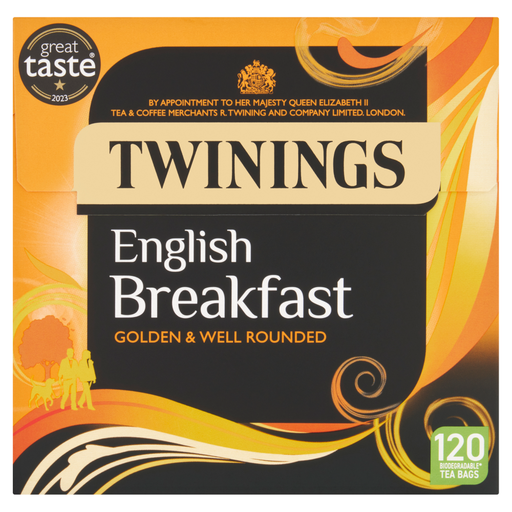
Twinings English Breakfast Tea, 120 tea bags, 300g
A 120-bag black-tea pack to consider where the second home is used regularly. Store it in a cool, dry place and match the quantity to expected use. If sealed single-serve portions matter, check whether this particular pack has them.
View on Joybuy
 No image available
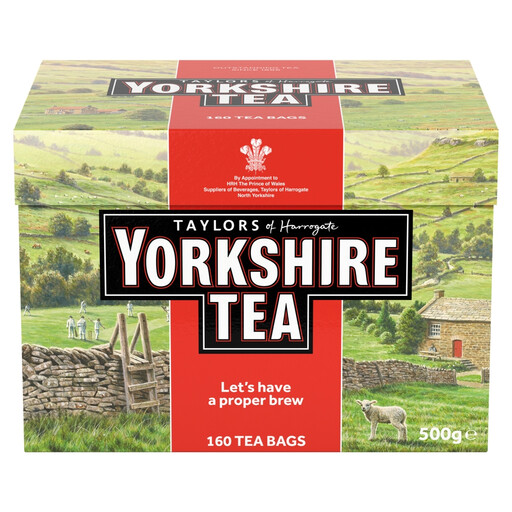
Yorkshire Tea Bags, 160S, 500g
This 160-bag black-tea pack is an option for regular use when the property has cool, dry storage. Its bag count may be more than an occasional visitor needs. Check the pack and local collection instructions before deciding how to dispose of the bags.
View on Joybuy
 No image available
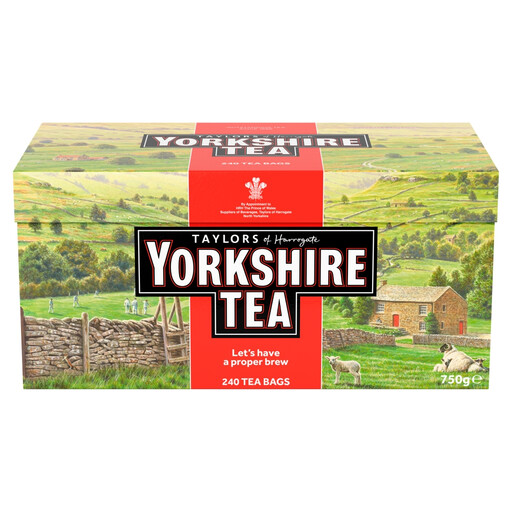
Taylors of Harrogate Yorkshire Tea, 240 tea bags, 750g
A 240-bag black-tea pack for a property with several regular tea drinkers and cool, dry storage. For infrequent stays, consider whether that many bags would remain opened between visits.
View on Joybuy
 No image available
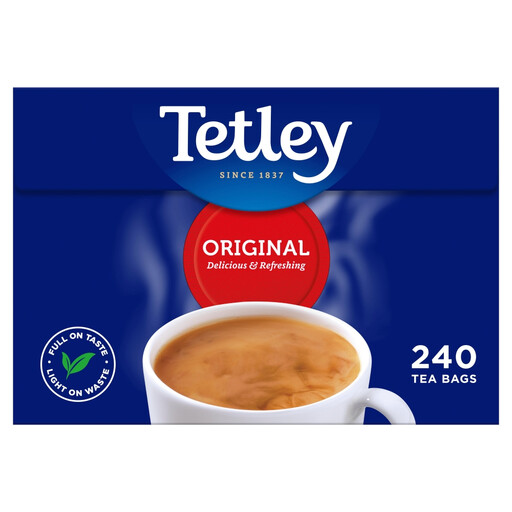
Tetley Original Tea Bags, 240 bags, 750g
This 240-bag black-tea pack suits a stocking plan based on repeated use rather than occasional guest cups. Its storage instruction is cool and dry. Confirm individual wrapping or resealability on the exact pack if either affects how you will leave it between visits.
View on Joybuy
 No image available
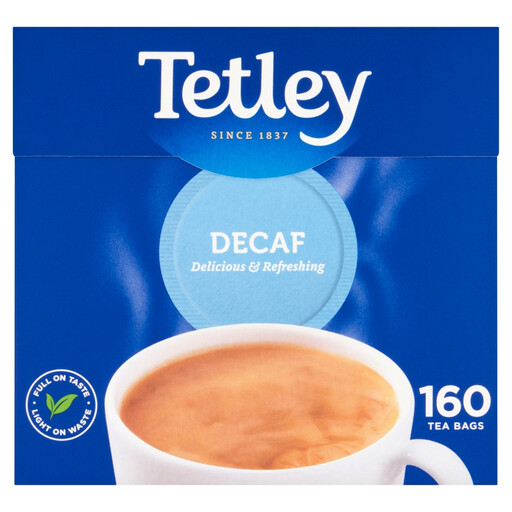
Tetley Decaf Tea Bags, 160 bags, 500g
A 160-bag decaffeinated black-tea option for residents or guests who ask for decaf; keep regular tea as well if others want it. Store the pack in a cool, dry place. Check its stated caffeine content if a precise limit matters.
View on Joybuy
Questions about tea at a second home
Should I buy tea pods or tea bags?
Buy conventional tea bags if guests will make tea with hot water in a mug or teapot. Coffee-style pods are a different format; consider tea capsules only after confirming that the second home has a compatible machine.
How should I store tea between visits?
Use a cool, dry cupboard and follow the exact pack’s instructions. The cited Typhoo, Tetley and PG Tips products specify cool, dry storage, so check the cupboard’s conditions before leaving a large opened box there.
When are individually wrapped bags useful?
Consider them for occasional visits, guest trays or tea carried between properties. Twinings identifies its English Breakfast 50-envelope string-and-tag product as individually wrapped; check the exact product rather than assuming every boxed bag has an envelope.
Does decaf tea contain any caffeine?
It can: Twinings states that its English Breakfast Decaffeinated product contains 0.02% caffeine. If someone needs a precise caffeine limit, check the content stated for the particular tea; a decaf label alone does not mean caffeine-free.
Can plant-based tea bags go in a home compost bin?
Do not assume they can. Twinings describes its tea bags as industrially compostable, and Clipper describes its PLA sealing material as industrially compostable. Check the exact pack’s disposal instructions and the collection accepted where the second home is located.


