Traditional black-tea drinkers
If you take an afternoon cup with or without milk, compare the blend description and brewing instructions on the particular pack. Twinings, for example, recommends two to three minutes for its English Breakfast tea.


Choose a regular black tea for a traditional afternoon cup, a clearly labelled decaf tea if reducing caffeine matters, or an organic and Fairtrade-labelled option if sourcing is your priority. If you decant the bags, choose an odour-neutral container that closes securely and keep it in a cool, dark, dry cupboard; a clear jar left in the light offers less protection.
If you take an afternoon cup with or without milk, compare the blend description and brewing instructions on the particular pack. Twinings, for example, recommends two to three minutes for its English Breakfast tea.
A clearly labelled decaffeinated black tea keeps the familiar style of cup while addressing a preference to reduce caffeine. Check the current pack if its residual caffeine amount matters to you; decaf does not necessarily mean caffeine-free.
If you move bags into a jar, tin or caddy, consider its lid, material and where it will stand. TeaTrade recommends an opaque, airtight, odour-neutral container to limit exposure to light, air and kitchen smells.
Decide what matters in the cup before choosing a pack, then check whether your storage container suits the quantity of bags and its place in the kitchen.
| Priority | What to check | Your needs |
|---|---|---|
| Blend and brewing | Check the tea type, blend description and time stated for that product. Twinings specifies two to three minutes for English Breakfast; use the instructions for the pack you buy. | I want an afternoon black tea that I can brew to my preferred strength and serve with or without milk. |
| Caffeine preference | Look for a clearly labelled decaffeinated black tea. If a particular residual caffeine amount matters, check the current pack rather than assuming decaf means none. | For a later break, I would prefer less caffeine without switching away from a black-tea-style cup. |
| Sourcing claims | Read the wording on the exact product. Clipper describes its Everyday tea as organically grown black tea traded in compliance with Fairtrade standards. | Organic and Fairtrade sourcing matters to me, alongside the kind of tea I enjoy drinking. |
| Jar or caddy | Check that it closes securely, does not retain odours and holds the bags you intend to decant. TeaTrade recommends an opaque, airtight container; keep it in a cool, dark, dry cupboard. | I want opened tea bags protected from light, moisture and nearby food smells, rather than displayed in a clear jar beside the kettle. |
| Pack information | Keep the best-before date and storage directions accessible after decanting. For disposal, check the exact tea-bag pack and your council’s accepted-waste rules. | If I move the bags into a caddy, I still want to know the pack’s date, ingredients and disposal instructions. |
A clear jar leaves its contents exposed to light when displayed, while steam and nearby odours are also worth avoiding. TeaTrade recommends an opaque, airtight, odour-neutral container.
Choose a secure lid and keep the container in a cool, dark, dry cupboard, away from steam and strong-smelling foods.
Regular, decaf and hard-water blends address different preferences or conditions. Brewing instructions also differ between products, so a familiar brand name alone does not settle the choice.
Check the exact pack’s tea type, blend description and brewing guidance. If hard water affects your choice, Yorkshire Tea describes a blend intended for that condition.
Those terms do not establish the same disposal conditions. Twinings describes its tea bags as industrially compostable, and the PG Tips Original information supplied by ASDA refers to industrial composting conditions.
Follow the exact pack’s disposal instructions and check what your local council accepts.
GOV.UK distinguishes best-before dates, which concern quality, from use-by dates, which concern safety. Storage conditions still matter to the quality of tea bags before their best-before date.
Check which type of date appears on the pack and follow its storage instructions; do not apply best-before guidance to a product marked with a use-by date.
These examples show how named tea lines differ; check the current pack for the claims and instructions that matter to your choice.
Its range includes regular, decaf, Gold and a blend intended for hard-water areas.
English Breakfast and English Breakfast Decaffeinated offer a regular-or-decaf choice within the range.
Clipper Everyday is a black-tea line for shoppers comparing organic and Fairtrade sourcing statements.
Typhoo Original is an everyday black-tea option available in an 80-bag format.
PG Tips Original is a black-tea option listed by ASDA in an 80-bag pack.
Tetley Original is listed as an 80-bag black-tea pack.
These options cover a tea canister and three different afternoon black-tea choices: an organic and Fairtrade-described tea, a decaf tea and a regular blend. Choose the tea and its storage separately according to what you need.
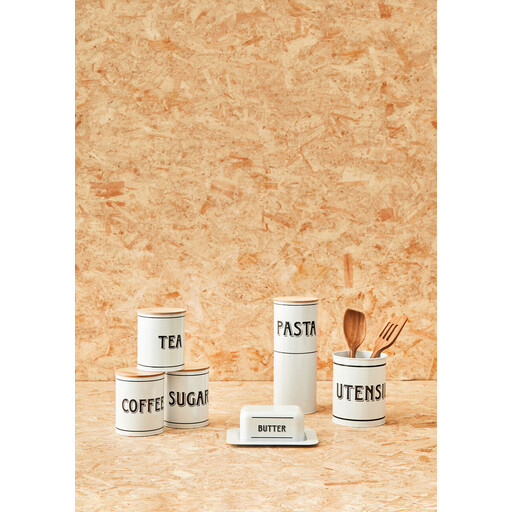 Image unavailable
For decanting tea bags into a separate kitchen container. It has a metal body, bamboo lid and stated dimensions of 13 × 11 × 11 cm; the product listing describes the closure as airtight. Check the capacity and food-contact suitability before choosing it for your supply of bags.
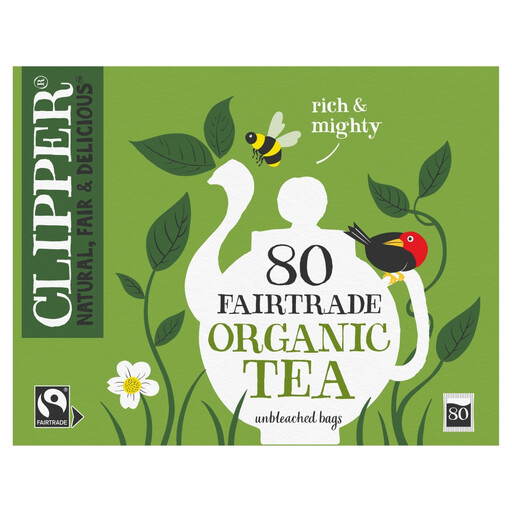 Image unavailable
A black-tea option if organic and Fairtrade sourcing statements guide your choice. The 80-bag, 232 g pack is described as organically grown black tea with Fairtrade sourcing. Check the current pack for its brewing instructions if timing matters to your preferred cup.
 Image unavailable
A decaffeinated black-tea choice for an afternoon cup when reducing caffeine is the priority. The pack contains 80 bags, weighs 250 g and has a stated brewing time of two to three minutes. Check the current pack if you need a specific residual caffeine amount.
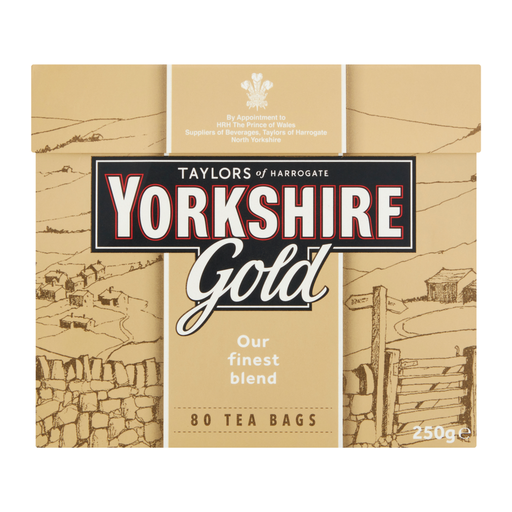 Image unavailable
A regular black tea for an afternoon cup with milk as an option. This 80-bag, 250 g pack is described as 100% black tea, with a stated infusion time of three to five minutes. It is tea rather than a storage container, so choose a caddy separately if you plan to decant the bags.
Look for a secure lid and odour-neutral material, and check that the container holds the number of bags you intend to store. TeaTrade recommends an opaque, airtight container; keep it in a cool, dark, dry cupboard rather than leaving a clear jar in the light or beside steam.
You can decant them if the replacement container closes securely, stays dry and does not retain odours. Keep the outer pack or a record of its best-before date, ingredients, storage directions and disposal instructions so that information remains available.
Choose a regular black tea for a conventional afternoon cup, or a clearly labelled decaf black tea when reducing caffeine matters. Check the current decaf pack if you need to know its residual caffeine amount; decaf does not necessarily mean caffeine-free.
Do not assume they can. Twinings describes its tea bags as industrially compostable, while the PG Tips Original information supplied by ASDA specifies industrial composting conditions. Follow the exact pack’s instructions and check whether your local council accepts the bags in its collection.
A best-before date is not the same as a use-by safety deadline: GOV.UK says best-before dates concern quality, while use-by dates concern safety. Check the date type on the pack and follow its storage instructions; poor storage can affect quality before a best-before date.