What should you check?
Start with the format and blend you intend to brew, then check quantity and preparation details on the particular pack.
| Priority |
What to check |
Your needs |
| Tea-bag format |
Check whether the listing says tea bags brewed in water or pods for a named machine. If it is a machine product, confirm the required system. |
I want bags for a cup of tea, not a capsule that needs a coffee machine. |
| Pack count |
Compare the number of bags with your expected use before the next shop. ASDA Groceries lists 80-bag Tetley Original and PG Tips Original packs; Twinings lists 120 Everyday bags, and Clipper Tea Shop lists 40 Everyday bags. |
For an occasional cup, I would rather choose a quantity I am likely to use than assume the largest box suits my top-up. |
| Blend and brewing |
Read the tea type and the exact pack’s brewing directions. If mineral-heavy tap water changes your usual cup, check for a blend specifically labelled for hard water. |
My usual black tea should suit the way I make it; if local water affects the result, a hard-water blend is worth considering. |
| Decaf and ingredients |
Look for an explicit decaf label and read the ingredients on the chosen product. Do not infer caffeine status from a speciality or herbal-sounding name. |
If I am cutting back on caffeine, I need the particular pack to be identified as decaf. |
| Materials and disposal |
Read the bag and carton instructions separately. Check your council’s accepted materials before putting used tea bags in a food-waste bin. |
I want to follow the disposal instructions for the pack and the collection service where I live, rather than rely on a plant-based label alone. |
Tea-bag options on Joybuy
These tea-bag packs cover everyday black tea, decaf, a hard-water blend and products labelled organic and Fairtrade. Choose the blend that matches your reason for topping up, then check the bag count on the individual listing.
 No image available
Tetley Decaffeinated Tea Bags, 80 bags, 250 g
A labelled decaffeinated option for a tea-bag refill. The pack contains 80 bags; check the exact pack label if decaf is the reason for your choice.
View on Joybuy
 No image available
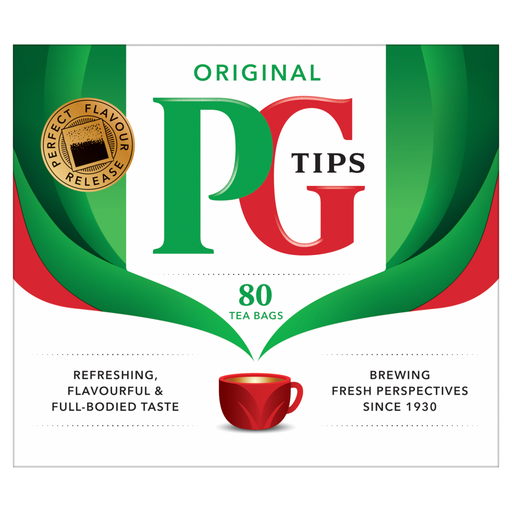
PG Tips Original Tea Bags, 80 bags, 232 g
An 80-bag Original black-tea pack for a straightforward cupboard refill. Check the directions on this pack when brewing and the local collection rules before disposing of used bags.
View on Joybuy
 No image available
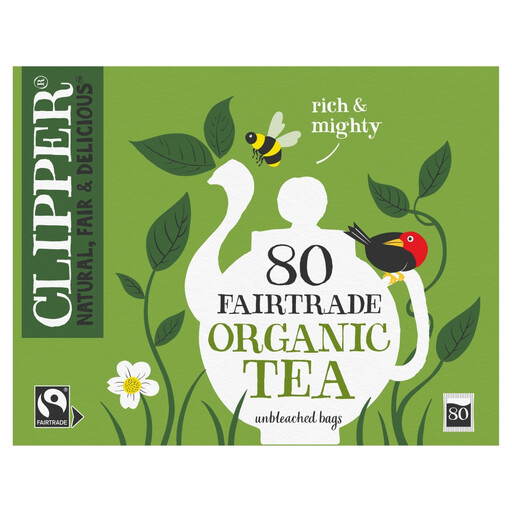
Clipper Organic Fairtrade Tea Bags, 80 bags, 232 g
An 80-bag black-tea option labelled Organic Fairtrade for shoppers who make sourcing a selection criterion. Check the exact pack for its ingredients and brewing directions.
View on Joybuy
 No image available
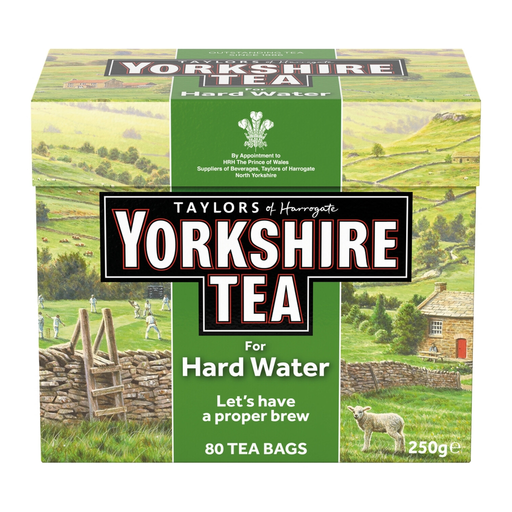
Taylors of Harrogate Yorkshire Tea for Hard Water, 80 bags, 250 g
This 80-bag pack is specifically labelled for hard water. Consider that route if local water makes your ordinary tea taste darker or thicker, as Yorkshire Tea describes; check the pack for brewing directions.
View on Joybuy
 No image available
Clipper Organic Fairtrade Decaf Everyday Tea Bags, 80 bags, 277 g
This 80-bag black-tea pack combines a decaf label with Organic Fairtrade wording. Check those descriptions and the ingredients on the exact pack before choosing it for either requirement.
View on Joybuy
Tea-bag questions
Do ordinary tea bags need a coffee-pod machine?
No. The Tetley, PG Tips, Twinings and Clipper tea-bag products described here are intended to be brewed in water, not used as machine capsules. If a listing says “pod”, check its format and any named machine system before buying.
How many tea bags should I buy for a top-up?
Choose a bag count that fits your expected use before the next shop. The cited product listings include Clipper Everyday at 40 bags, Tetley Original and PG Tips Original at 80, and Twinings Everyday at 120; a larger count is not necessary for every household.
Should I choose decaf or a hard-water blend?
Choose an explicitly labelled decaf product if reducing caffeine is the requirement. Consider a hard-water blend if mineral-heavy local water makes your ordinary tea taste darker or thicker; Yorkshire Tea describes these as separate ranges, so check which one the exact pack identifies.
Can used tea bags go in a food-waste bin?
Check your local collection rules and the pack instructions. North London Waste Authority says tea bags can go in a food-waste bin where a local food-waste collection is provided; a plant-based or industrially compostable product description does not, by itself, determine what every council accepts.


