Students setting up a shared kitchen
An 80-teabag box offers individual portions for making a cup without measuring leaves. Loose leaf calls for a teapot, infuser or other suitable brewing equipment, as Ringtons explains.


Choose an 80-teabag box if you want to make individual cups in a new kitchen without measuring leaves or using an infuser. Loose leaf suits you if you prefer to measure your tea and have suitable brewing equipment. Within 80-bag boxes, start with regular black tea for everyday use; consider a hard-water blend if the tap water affects the taste, or a clearly labelled decaf box if caffeine matters to you.
An 80-teabag box offers individual portions for making a cup without measuring leaves. Loose leaf calls for a teapot, infuser or other suitable brewing equipment, as Ringtons explains.
If tea made with the new tap water tastes darker or thicker than expected, a hard-water blend is worth considering. Yorkshire Tea links that change to minerals in hard water and offers an 80-bag blend for those conditions.
If you prefer to manage caffeine across tea and other drinks, look for a box explicitly labelled decaffeinated rather than assuming ordinary black tea is caffeine-free. Twinings and Yorkshire Tea both have 80-bag decaf options.
Settle the tea-bag-versus-loose-leaf question first, then choose a blend that fits your water, caffeine preferences and shopping basket.
| Priority | What to check | Your needs |
|---|---|---|
| Brewing format | Check whether the pack contains 80 individual tea bags or loose leaves. Ringtons advises one bag per cup for its boxed tea; its loose leaf requires measuring and suitable brewing equipment. | I want to make a single cup without keeping an infuser or teapot in a shared kitchen. |
| Basket total | Compare the bag count and product cost on the same basis, then check the delivered total at checkout. A product-only comparison does not include delivery. | I am buying one box, so the final basket total matters more to me than the box price alone. |
| Tap water | Check whether hard water affects tea made in the accommodation. Yorkshire Tea says minerals can make tea taste darker and thicker; its hard-water blend is intended for that condition. | Tea tastes different with my new tap water, and I want to know whether a specialist blend is relevant. |
| Caffeine | Look for an explicitly labelled decaf box if that is your preference. Consider caffeine from tea alongside coffee, energy drinks and supplements rather than treating decaf as a requirement for everyone. | I often drink tea later in the day, or I want to keep track of caffeine from several drinks. |
| Blend strength | Distinguish a regular black tea from a blend labelled strong. Check the brewing directions on the chosen pack; strength is a taste preference, not a substitute for a hard-water or decaf blend. | I prefer a bolder cup, but I do not need a specialist blend merely because I am buying 80 bags. |
Loose leaves need measuring and suitable brewing equipment; a box of 80 tea bags contains individual portions. Ringtons describes the formats separately.
If 80 individual bags are essential, check the pack description for that count. Choose loose leaf by its pack weight instead of trying to convert it into a bag count.
Loose leaf may also mean finding space for a teapot or infuser and cleaning it after use.
A product-only comparison may change once delivery is added, particularly when ordering a single box.
Check the basket total before ordering and compare it with other packs of the same bag count.
Yorkshire Tea’s hard-water blend addresses a water condition; Twinings describes its Strong English Breakfast as a bolder tea. Neither label answers the other question.
Consider the hard-water blend if the accommodation’s water affects your tea, or a strong blend if you prefer that flavour. Otherwise, a regular black-tea box remains an option.
Tea is not the only drink to consider when managing caffeine. Food Standards Scotland and the Food Standards Agency advise considering caffeine from drinks and supplements together.
For an evening cup or a caffeine preference, look for a clearly labelled decaf tea and check the actual product information if its caffeine content matters to you.
These brand ranges help distinguish 80-bag boxes from loose-leaf and other pack formats; they are not a list of products stocked by Joybuy.
Twinings lists 80-bag English Breakfast boxes in regular, Strong and Decaffeinated versions.
Yorkshire Tea has regular, decaffeinated and hard-water-specific 80-bag options listed through Bettys.
Ringtons offers a boxed 80-bag Assam and Kenyan black-tea blend as well as separate loose-leaf tea.
Bettys lists its own Tea Room Blend in an 80-bag, 250 g box and also sells Yorkshire Tea options.
Whittard lists loose tea, tea bags and brewing equipment, making the format distinction important when browsing its range.
Fortnum & Mason lists tea bags in several pack sizes, including a 50-bag Breakfast Blend.
These 80-bag boxes cover regular black tea and a decaffeinated option for a student kitchen. Choose the format and blend you want before comparing the individual listings and checkout totals.
 No image available
An 80-bag decaf option if you prefer a labelled decaffeinated tea for your new kitchen. The pack is labelled 250g; check its product information if you need a precise caffeine figure.
 No image available
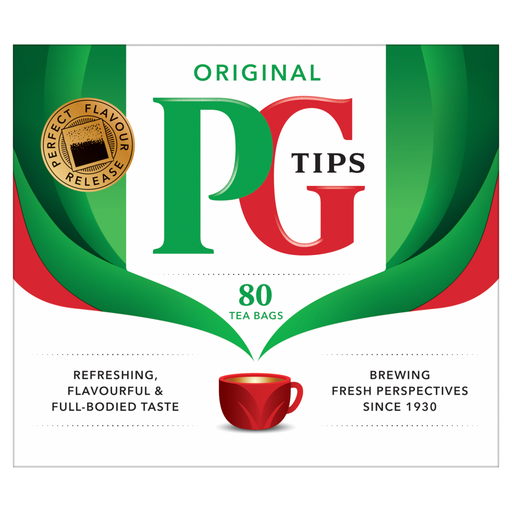
A regular 80-bag tea option for making individual cups without measuring loose leaves. The pack is labelled 232g; check its brewing directions for the cup you prefer.
 No image available
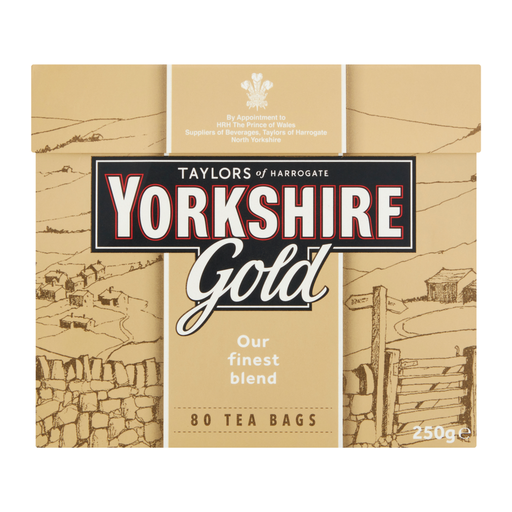
An 80-bag option if you want Yorkshire Tea Gold for individual cups. The pack is labelled 250g; it is a different product from Yorkshire Tea for Hard Water, so check which blend you intend to buy.
 No image available
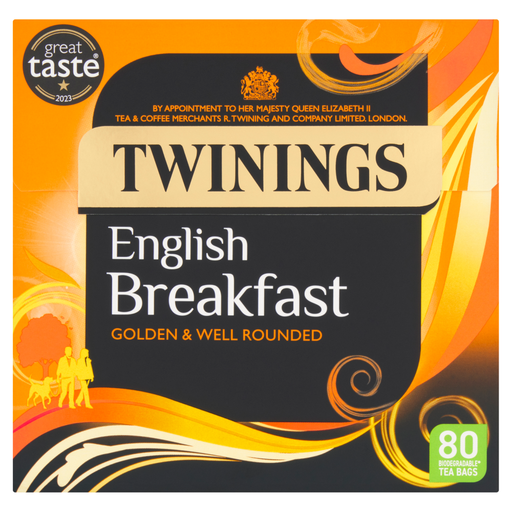
A regular English Breakfast box for an 80-bag kitchen supply. It is labelled 200g; check the pack for its brewing directions rather than applying another blend’s timing.
 No image available
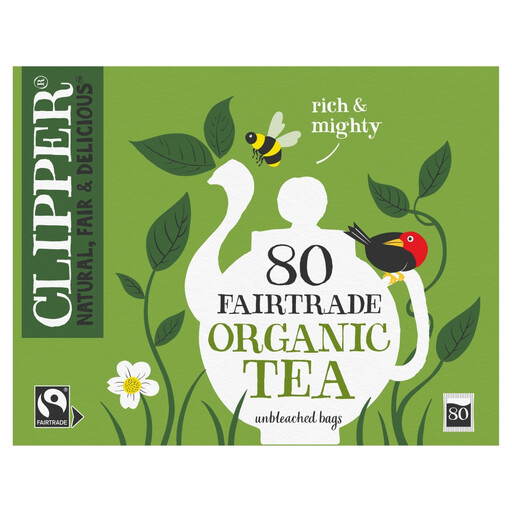
An 80-bag option for individual cups, labelled 232g. Organic and Fairtrade appear in the product name; check the pack for the details behind those labels and for brewing directions.
No. An 80-teabag box contains individual bags, while loose leaf tea is measured out and brewed using a teapot, infuser or other suitable equipment. Ringtons describes these as separate formats, so choose the box if individual bags are part of your move-in requirement.
Follow the directions for the box you buy rather than using one time for every blend. Ringtons advises three to five minutes for its boxed tea, while the Yorkshire Tea listing at Bettys suggests four to five minutes according to taste.
Consider one if the flat has hard water and it affects the tea you make there. Yorkshire Tea says minerals in hard water can make tea taste darker and thicker and offers a dedicated 80-bag blend; if you are unsure about the water, check local water information before making it a deciding feature.
Consider a clearly labelled decaf box if you prefer it for later cups or want to manage caffeine from tea alongside other drinks and supplements. Twinings and Yorkshire Tea list 80-bag decaffeinated products; check the particular pack if its caffeine content matters to you.
Check both the exact tea-bag pack and the collection rules where you live. Bettys describes plant-based bags for its regular Tea Room Blend, while Fortnum & Mason describes its bags as industrially compostable; neither statement establishes what every local council accepts.