Tent campers with a stove or kettle
If you can boil water but have no powered coffee machine, ordinary tea bags let you brew in a mug. Keep the unused bags dry and contain used ones until you can dispose of them.


Pack ordinary tea bags if you can boil water but will not have a coffee machine: they need a mug rather than a compatible pod system. Tea pods make sense only when you have the matching machine and reliable power. For damp-prone packing, consider individually wrapped bags; if caffeine matters, check the exact tea or infusion label rather than assuming decaf means caffeine-free.
If you can boil water but have no powered coffee machine, ordinary tea bags let you brew in a mug. Keep the unused bags dry and contain used ones until you can dispose of them.
Decaf tea or an infusion may fit a preference for less caffeine, but check the exact product. Twinings says UK decaffeinated teas typically contain no more than 0.2% caffeine; decaf does not mean caffeine-free.
Tea pods are an option if you have reliable electricity and a coffee machine that accepts the particular capsules. MaxiCoffee UK lists tea pods for different machine systems, so check compatibility before packing them.
Start with the equipment and water available at camp, then choose a pack format and drink that suit how you will store and brew it.
| Priority | What to check | Your needs |
|---|---|---|
| Brewing equipment | For tea bags, check that you can heat water and follow the pack’s brewing directions. For pods, match the capsule to your exact machine and confirm that you will have power. | I can boil water and use a mug, but I will not have a coffee machine at camp. |
| Pack protection | Check whether bags are individually wrapped. Otherwise, plan a clean, dry, closed container for an opened pack; tent and vehicle storage conditions can vary, as the Food Standards Agency notes. | I want to pack individual portions without leaving the rest of the tea exposed in an opened box. |
| Caffeine | Read the exact label and ingredients. Twinings says UK decaffeinated teas typically contain no more than 0.2% caffeine, so do not treat decaf as caffeine-free. | For an evening drink, I want to know whether I am choosing decaf tea or an infusion labelled caffeine-free. |
| Used bags and packaging | Check the pack’s disposal instructions and the campsite’s collection facilities. Tetley says industrial composting applies to a significant portion of its tea-bag portfolio where suitable food-waste schemes are available, not to every bag or campsite. | I need a way to contain used bags and wrappers until I can put them in an accepted waste stream. |
A tea bag brews in hot water, while a tea pod needs a compatible machine and power. A capsule that does not fit your machine will not serve as a substitute for a bag.
Take tea bags when you will only have a stove or kettle. Before buying pods, check the machine system and the electricity available at your pitch or accommodation.
Decaf may not meet a requirement to avoid caffeine altogether. Twinings says UK decaffeinated teas typically contain no more than 0.2% caffeine.
Check the exact tea or infusion label and its ingredients when caffeine content affects your choice.
An industrial-compostability claim applies only where an appropriate collection scheme accepts the particular bag. Wrappers and cartons may need different handling.
Follow the exact pack instructions and campsite rules, and carry a container for used bags if you cannot dispose of them there.
Tea packed in a tent or vehicle may encounter changing humidity and storage conditions. An open box leaves its contents more exposed while travelling.
Choose individually wrapped bags or put loose bags from an opened box into a clean, dry, sealed container.
These brand examples illustrate pack and tea types worth checking; a claim about one product or part of a range does not describe every pack.
Tetley lists Decaf Original Tea among its UK-facing range.
PG Tips is a tea brand in the Lipton Teas portfolio.
Yorkshire Tea lists standard, decaf and hard-water teas.
Twinings offers decaf tea, including an All Day Decaf pack of 15 individually wrapped pyramid bags.
Clipper lists an Organic & Fairtrade Everyday tea-bag pack.
Typhoo’s shop lists Premium and Decaf tea-bag lines.
These are bagged teas and infusions for trips where you can prepare a drink without a pod machine. Compare the named tea type and pack quantity, then check the exact pack if individual wrapping, caffeine content or brewing directions matter to you.
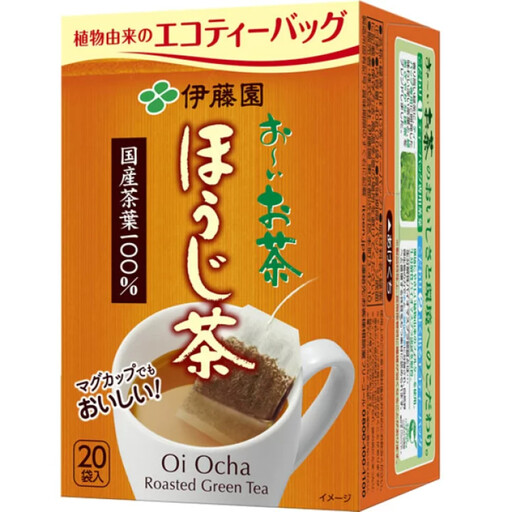 Image unavailable
A bagged roasted green tea to consider when you will brew with water rather than a pod machine. The named pack contains 20 portions of 1.8 g each; check the pack’s caffeine information and brewing directions if those affect your choice.
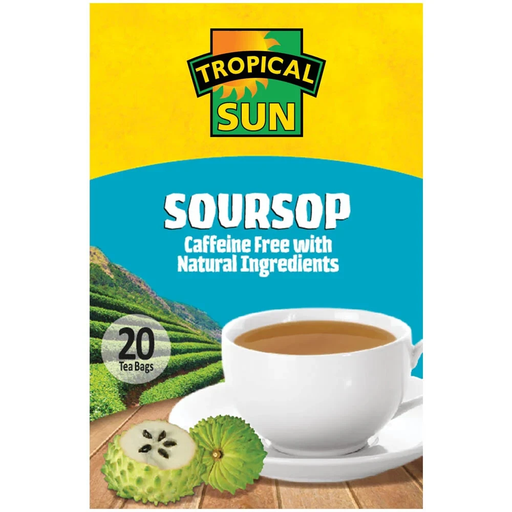 Image unavailable
This 20-bag soursop tea is a bag-based option for a trip without a pod machine. If sealed individual portions matter for packing, check the pack format or carry the bags in a clean, dry container.
 Image unavailable
A lemon and ginger bagged infusion for brewing without a pod machine. Check the exact pack for its ingredients, brewing directions and whether the bags are individually wrapped.
 Image unavailable
This named decaf tea-bag pack is an option if you prefer decaf tea to a regular blend while camping. Decaf is not necessarily caffeine-free; check the label, and keep an opened pack dry.
 Image unavailable
This peppermint option comes in an 80-pack for bag-based brewing at camp. Check the pack’s ingredients and brewing directions, and protect opened supplies from damp.
Tea bags are the simpler choice when you have a mug and can boil water but do not have a powered coffee machine. Choose tea pods only if their format matches a machine you can use at camp.
Keep tea protected in a clean, dry, closed container or choose individually wrapped portions. The Food Standards Agency notes that temperature and humidity in tents and vehicles can differ from conditions at home, so plan where you will keep food supplies.
No. Twinings says UK decaffeinated teas typically contain no more than 0.2% caffeine. If caffeine content is important to your choice, read the label and ingredients of the exact tea or infusion.
Only put them there if the campsite accepts the particular bags. Tetley says industrial composting is possible for a significant portion of its tea-bag portfolio through food-waste schemes where available; check both the pack instructions and the campsite’s collection rules.
No. Tea pods are sold for particular coffee-machine systems, as MaxiCoffee UK’s system-specific listings illustrate. Match the pod format to your exact machine before buying and confirm that you can power it at camp.