Milk-tea drinkers between meetings
If you want a familiar black-tea cup with milk, everyday blends and English Breakfast-style tea are useful starting points. Check the pack’s brewing instructions before adjusting the strength.


For a familiar lunch tea with milk, start with an everyday black tea or a more robust English Breakfast-style blend; choose Earl Grey if you prefer a citrus-led flavour. Decaf suits a decision to reduce caffeine, though it is not necessarily caffeine-free. A hard-water blend is a more specific choice if mineral-rich tap water makes your usual tea darker or thicker than you like.
If you want a familiar black-tea cup with milk, everyday blends and English Breakfast-style tea are useful starting points. Check the pack’s brewing instructions before adjusting the strength.
Decaf black tea keeps you within the black-tea category while reducing caffeine, but it can retain traces. If avoiding tea-derived caffeine matters, check the ingredients of a fruit or herbal infusion instead.
Earl Grey offers a citrus-led alternative; a hard-water blend addresses a particular tap-water condition. If organic or Fairtrade sourcing or tea-bag material matters to you, check the claims on the exact pack.
Choose the flavour and caffeine route first, then check preparation and any local conditions that affect the cup or disposal.
| Priority | What to check | Your needs |
|---|---|---|
| Cup profile | Look for an everyday black tea or a robust English Breakfast-style blend for a conventional milk tea. Twinings describes Earl Grey as a citrusy black-tea route; check the exact pack’s flavourings. | I usually add milk at lunch, or I would rather have an aromatic cup with a distinct citrus flavour. |
| Caffeine | Distinguish regular black tea from labelled decaf. Twinings says UK decaffeinated teas typically contain no more than 0.2% caffeine; check infusion ingredients if you want to avoid tea-derived caffeine. | I’m choosing a lunch drink with the rest of my day’s caffeinated drinks in mind. |
| Brewing | Follow the time on the exact pack: Tesco lists 1–2 minutes for PG Tips Original, while Typhoo gives a 1–5 minute range for its Premium tea bags. Yorkshire Tea advises adding milk after brewing directly in a mug. | Between meetings, I want a method I can repeat without guessing how long to leave the bag in. |
| Tap water | Consider a hard-water-specific blend if mineral-rich water changes your usual cup. Yorkshire Tea says hard water can make tea taste darker and thicker. | My tap water affects the tea I make at home, so a blend intended for hard water is worth considering. |
| Sourcing and disposal | Read organic, Fairtrade and bag-material claims for the exact variant. For food-waste disposal, check both the pack and your local authority’s collection rules. | I care how the tea is sourced and need to know where the used bag can go locally. |
A robust English Breakfast-style tea and a citrus-flavoured Earl Grey answer different flavour preferences, even though both are black teas.
Decide whether you want a conventional milk-tea profile or a flavoured cup before comparing pack sizes.
Decaffeinated black tea can retain traces of caffeine. Twinings says UK decaffeinated teas typically contain no more than 0.2% caffeine.
Choose decaf if reducing caffeine meets your needs; if avoiding tea-derived caffeine matters, inspect the ingredients of a fruit or herbal infusion.
Pack guidance differs: Tesco lists 1–2 minutes for PG Tips Original, while Typhoo gives 1–5 minutes for Premium tea bags. Adding milk before mug brewing also cools the water, as Yorkshire Tea notes.
Start with the instructions for your particular blend, then adjust the cup to your taste.
A biodegradable or compostable description does not, by itself, tell you whether a bag belongs in your household food-waste collection.
Check the exact pack and your local authority’s current guidance before disposing of used bags.
These brand examples illustrate different blend routes; the details apply to the named products or ranges, not every tea bag carrying the brand.
An everyday black-tea reference with a separate decaf option.
Original is an everyday black-tea option for a familiar lunch cup.
Its range includes everyday tea and a blend specifically intended for hard water.
A reference for choosing between English Breakfast, Earl Grey and decaf tea.
Its everyday black-tea range includes organic tea and a Fairtrade organic decaf option.
Premium and Decaf Premium offer everyday black-tea routes.
These tea bags cover several lunch-cup choices: decaf, a hard-water blend, Earl Grey and everyday black tea. Choose by the condition or flavour that matters to you rather than treating the list order as a taste ranking.
 No image available
A decaf black-tea choice if you want to reduce caffeine while retaining an everyday tea route. The title identifies an organic Fairtrade 80-bag pack; decaf should not be treated as caffeine-free. Check the pack if a particular caffeine limit matters, and check local rules before disposing of the bags in food waste.
 No image available
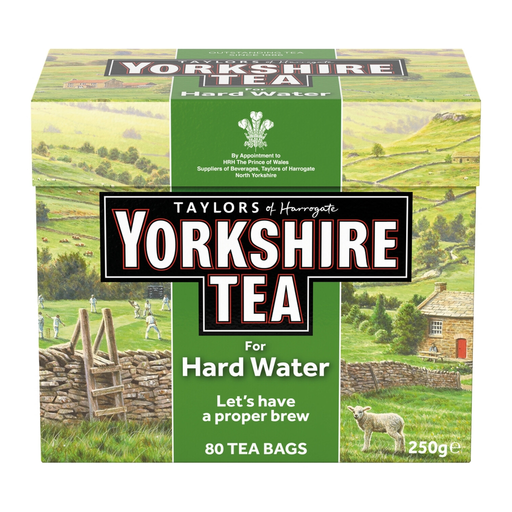
Consider this black-tea blend if you have hard tap water and find that your usual tea tastes darker or thicker than you prefer. The pack contains 80 tea bags; follow its own brewing instructions.
 No image available
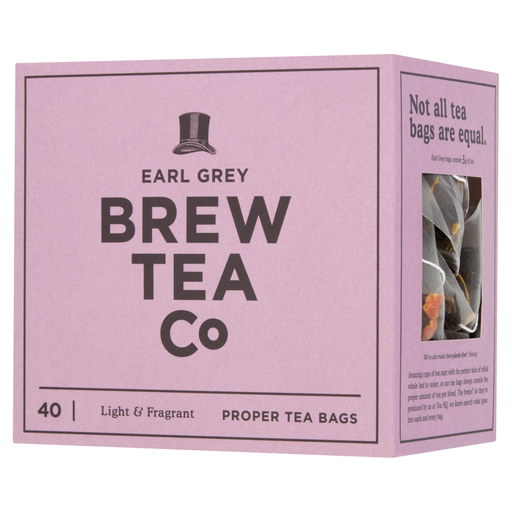
An Earl Grey option if you would rather have a flavoured black tea than a conventional everyday blend. The pack title states 40 tea bags and 120g; inspect its ingredients for the exact flavourings and follow its brewing guidance.
 No image available
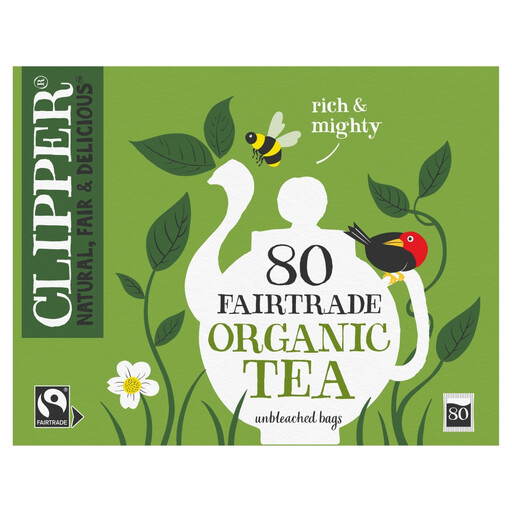
An everyday black-tea route if organic and Fairtrade sourcing are also part of your choice. The title specifies 80 tea bags and 232g; check the pack for its brewing instructions.
 No image available
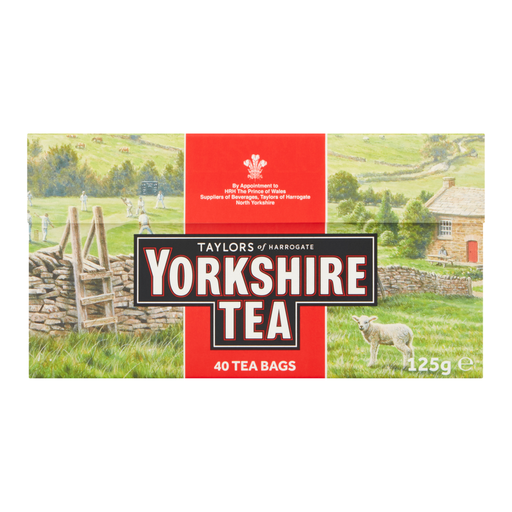
A smaller stated pack for a familiar everyday black-tea lunch cup. The title specifies 40 tea bags and 125g; use the pack’s preparation guidance for this variant.
Start with an everyday black tea or a robust English Breakfast-style blend. Twinings describes English Breakfast as a tea commonly enjoyed with milk; follow the timing on the exact pack before changing how you brew it.
Not necessarily. Twinings says UK decaffeinated teas typically contain no more than 0.2% caffeine. If avoiding tea-derived caffeine matters, consider a fruit or herbal infusion and check its ingredients for other caffeine-containing additions.
Use the brewing time for your particular tea rather than one timing for every bag. Tesco lists 1–2 minutes for PG Tips Original, while Typhoo gives 1–5 minutes for Premium; Yorkshire Tea recommends adding milk after brewing directly in a mug.
Check the exact pack and your local authority’s current collection guidance first. A bag-material or compostability claim alone does not establish that your household food-waste service accepts that tea bag.