What should you check?
Choose the everyday supply first, then decide whether the attendees, venue water or sourcing brief calls for another blend. Preparation and current-pack information matter whichever route you take.
| Priority | What to check | Your needs |
|---|
| Everyday tea |
Check that the pack is the intended black-tea blend, its bag count and its brewing directions. For a pot, check the product’s guidance on bags per person. |
I need a conventional tea that colleagues can prepare without a specialist routine, with enough bags for the meetings being supplied. |
| Decaf choice |
Check that the option is decaffeinated black tea, how it is labelled for serving and the current pack’s caffeine statement if a strict limit matters. |
Some attendees may want less caffeine while others still expect regular tea, so I need to keep the two options distinguishable. |
| Water and brewing |
Confirm whether the venue has hard tap water and whether standard tea repeatedly brews darker or thicker than wanted. Follow the selected blend’s directions before adding milk to a mug. |
If the usual brew changes at this venue, I want to address that specific issue rather than switch everyone to a specialist blend without a reason. |
| Sourcing |
If organic or Fairtrade sourcing is part of the purchasing brief, check those statements on the exact product and current pack. |
Documented sourcing matters for this purchase, but it does not tell me which tea every attendee will prefer. |
| Ingredients |
Read the delivered packs’ ingredient and allergen information, including for any accompanying products. If a food business or caterer serves the drinks, use its applicable allergen-information procedures. |
I need current product information available when refreshments are served, especially if an attendee asks about ingredients or allergens. |
Brand and blend references
These examples illustrate different tea-bag routes for meetings; a brand’s inclusion here does not mean every product in its range has the same ingredients or brewing instructions.
Tetley
An everyday black-tea option for a shared supply, with a separate decaf range.
- Ocado lists a 400-bag Tetley black-tea pack and suggests one bag per mug or person.
- Check the current pack rather than applying that listing’s details to other Tetley products.
PG Tips
Regular black tea and a distinct decaf product give organisers two labelled serving choices.
- Tesco’s listing states that its PG Tips Decaf product contains less than 0.2% caffeine.
- That statement describes the listed decaf product, not the caffeine content of every PG Tips blend.
Yorkshire Tea
Offers an everyday tea and a separate blend intended for hard-water areas.
- Yorkshire Tea says minerals in hard water can make tea darker and thicker, and describes its hard-water blend as designed to balance that effect.
- Choose the specialist blend for relevant venue conditions, not on the assumption that it will suit every meeting better.
Twinings
Its decaffeinated English Breakfast offers a named black-tea blend for a separate meeting option.
- Twinings identifies Assam, Kenyan and Ceylon teas in this blend.
- Check the current pack’s caffeine statement if an attendee has a strict requirement.
Clipper
An everyday black-tea route for a purchasing brief that includes organic and Fairtrade sourcing.
- Clipper describes its Organic & Fairtrade Everyday tea as traded to Fairtrade standards.
- Those sourcing details do not establish that its flavour will suit every attendee.
Typhoo
Its Decaf Premium tea bags provide another separately identifiable black-tea option.
- Typhoo states that its 80-bag Decaf Premium product uses Kenyan tea, contains 3.125 g per bag and has a suggested brewing range of 1–5 minutes.
- Use the instructions for the product purchased rather than applying that brewing range to every blend.
Tea-bag options on Joybuy
These options cover regular black tea for a shared meeting supply, a decaf alternative, an organic and Fairtrade blend, and a blend labelled for hard water. Choose according to the attendees and venue rather than treating the pack sizes as interchangeable.
 No image available
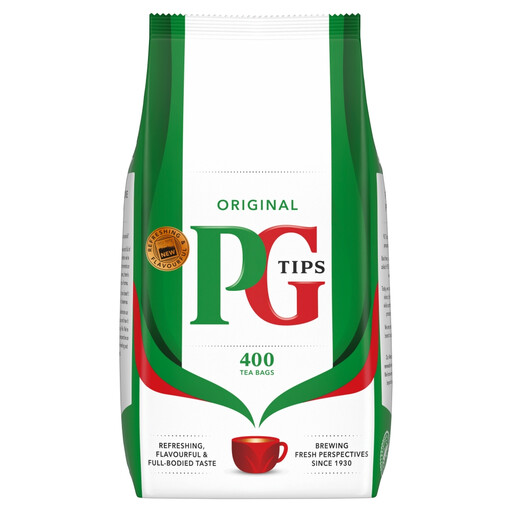
PG Tips Original 400 Tea Bags 1.16kg
A regular tea option when meetings call for a larger shared supply. The pack contains 400 tea bags and is labelled 1.16kg; add a separate decaf choice if attendees need one.
 No image available
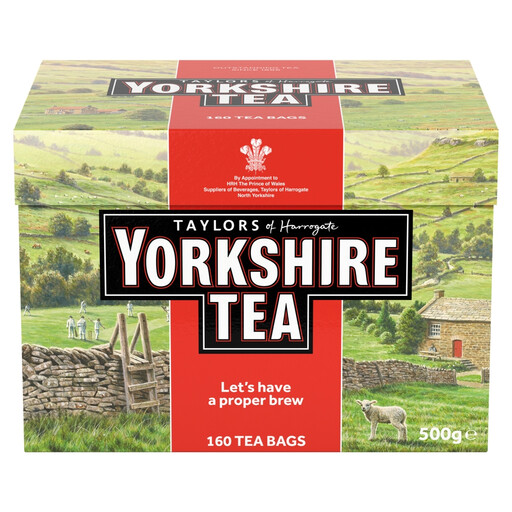
Yorkshire Tea 160 Tea Bags 500g
A standard black-tea option supplied as 160 bags, labelled 500g. Check the delivered pack’s allergen information before serving; this is not the separately named hard-water blend or a decaf tea.
 No image available
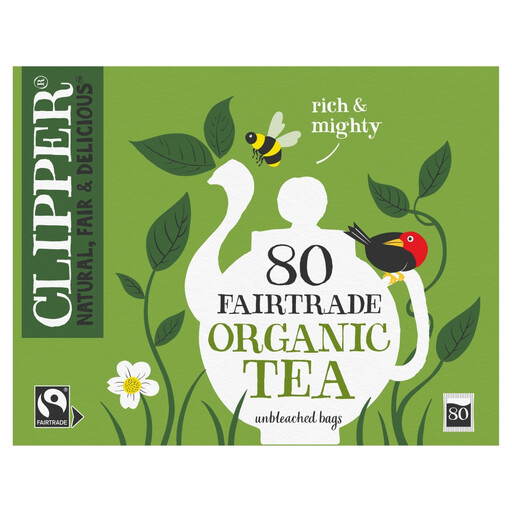
Clipper Organic Fairtrade 80 Tea Bags 232g
Consider this everyday black tea when organic and Fairtrade sourcing is part of the meeting-supply brief. The pack is labelled as 80 tea bags and 232g; its sourcing distinction does not establish a taste preference for attendees.
 No image available
Tetley 80 Decaffeinated Tea Bags 250g
A separately labelled black-tea option for attendees who want decaf alongside regular tea. The pack contains 80 bags and is labelled 250g; check its current caffeine statement if a strict limit matters.
 No image available
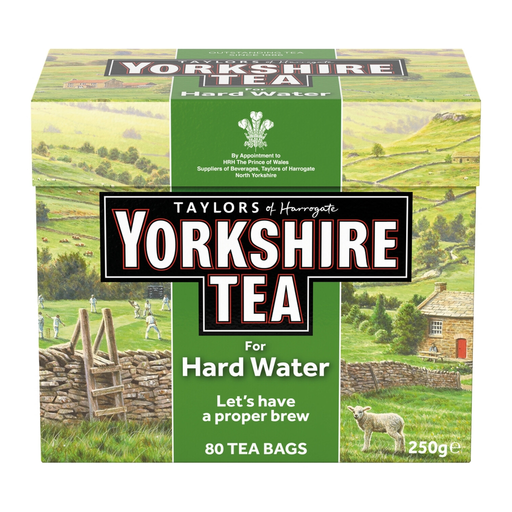
Taylors of Harrogate Yorkshire Tea for Hard Water 80 Tea Bags 250g
This 80-bag, 250g hard-water blend is a venue-specific choice when ordinary tea brews darker or thicker in the local tap water, as Yorkshire Tea describes. It does not provide a decaf alternative.
Questions about meeting tea
Should a work meeting offer both regular and decaf tea?
Offer both when attendees want a lower-caffeine choice as well as conventional black tea. Label them separately, and check the exact decaf pack’s caffeine statement if someone has a strict requirement; a decaf label alone does not establish an individual limit.
When is a hard-water blend worth considering?
Consider one when the venue has hard tap water and its ordinary tea repeatedly brews darker or thicker than intended. Yorkshire Tea attributes that effect to minerals and describes its hard-water blend as designed to balance it; the choice depends on the venue.
When should milk be added to tea brewed in mugs?
Let the tea brew in hot water before adding milk. Yorkshire Tea’s general guidance suggests 4–5 minutes and notes that milk can cool the brewing water; follow the purchased product’s instructions where they differ.
What allergen information matters when a caterer serves meeting tea?
A food business or caterer must follow the allergen-information requirements that apply to its service. GOV.UK and Food Standards Agency guidance addresses allergen information for prepacked and non-prepacked food and drink; its cited technical guidance applies to England, Northern Ireland and Wales. Keep the current product information available and use the operator’s applicable procedures.
Is an online ingredient listing enough before serving?
Check the delivered product label as well. Tesco warns that food products may be reformulated, so an earlier listing should not replace the ingredients and allergen information on the pack being served.


