Hosts serving several tea drinkers
An 80-bag box gives you counted portions for making individual cups. If guests take milk, check the description of the particular black-tea blend rather than assuming every 80-bag option has the same flavour.


Choose an 80-teabag box if you want counted portions that are straightforward to serve to several brunch guests; an 80-bag box contains tea bags, not loose leaf. Choose loose leaf if you would rather measure the tea and brew it in a pot or infuser, comparing packs by weight and brewing instructions instead of bag count. For guests who add milk, consider a breakfast-style black tea, while stronger and decaffeinated variants are choices for specific preferences.
The useful starting point is how you plan to serve the tea, not whether the pack has an appealing blend name.
An 80-bag box gives you counted portions for making individual cups. If guests take milk, check the description of the particular black-tea blend rather than assuming every 80-bag option has the same flavour.
Loose leaf suits a brunch where measuring leaves and using a teapot or infuser is part of serving tea. Compare pack weights and the maker’s dose instructions; an 80-teabag count is not a like-for-like measure.
A stronger blend, a decaffeinated option or a tea made for hard-water areas may be worth considering when that particular preference or condition applies. Check the exact variant before putting it out for guests.
Choose when: You want counted bags for serving several guests without measuring loose tea.
Bear in mind: The counted box is not loose leaf, and strength and caffeine vary by blend.
Choose when: You want to measure leaves and brew tea in a pot or infuser for the table.
Bear in mind: You need a way to strain the leaves, and pack weight cannot be compared directly with a bag count.
| Priority | What to check | Your needs |
|---|---|---|
| Format and portions | Check whether 80 means individual tea bags. For loose leaf, compare net weight and the maker’s dose per cup or pot. | Am I making separate cups for guests, or would I rather measure leaves for a teapot? |
| Flavour with milk | Read the blend description and its brewing instructions. Breakfast-style black teas differ, and a product described as strong is a distinct choice. | Some guests add milk, but others may prefer a lighter cup; I want a blend and brewing method that fit the people at the table. |
| Caffeine preference | Check that the exact variant is labelled decaffeinated and read its caffeine and ingredient statements. Decaffeinated does not itself mean caffeine-free. | If a guest asks for decaf, I want to identify their bags clearly rather than mix them with standard tea. |
| Water conditions | Consider a hard-water-specific blend only if your home has hard water; check the variant name rather than assuming it is the standard tea. | Does the water where I brew tea make a hard-water blend relevant to my brunch? |
| Ingredients and sourcing | Read the current pack’s ingredients and allergen information for the exact variant. Check any sourcing or certification statement on that product rather than inferring it from the brand. | When serving guests with ingredient requirements, I need the details of the tea I will actually serve. |
The count describes tea bags, while loose tea is sold by weight and needs measuring. The two pack sizes do not tell you the same thing about how you will serve brunch.
Decide which brewing format you want first. Then compare bag counts with bag counts, or loose-tea weights alongside the stated dose.
Moving to loose leaf may also mean getting a strainer or infuser if you do not already have one.
A strong blend is aimed at a bolder-tasting cup; a hard-water blend addresses a particular water condition. Neither description tells you what every guest will prefer.
Choose those variants when the preference or water condition applies, and check the exact blend before buying.
Caffeine statements apply to the individual tea variant. A general decaf label is not a substitute for its pack information.
Check the purchased pack’s caffeine and ingredient statements, and keep decaf bags separate from standard bags when serving.
Preparation guidance differs between products, particularly when switching between bags and measured loose tea.
Follow the directions for the tea you choose, and store opened tea as its pack instructs, away from moisture and strong odours.
These brand ranges illustrate the difference between counted tea-bag packs and loose tea sold by weight; the format of one product should not be assumed for another.
Twinings lists 80-bag English Breakfast, Strong English Breakfast, English Afternoon and decaffeinated English Breakfast variants, as well as a separate 125g loose-leaf English Breakfast tea.
Yorkshire Tea has standard, decaffeinated and hard-water-specific 80-bag options in the cited product listings.
Whittard offers loose tea alongside traditional English Breakfast tea bags, which it describes as having a robust, malty character.
Fortnum & Mason describes its Assam Breakfast Blend as full-flavoured and offers it as loose tea and in 50-bag formats.
Bettys describes its loose Breakfast Tea as a strong, malty Tippy Assam and also lists a 50-bag Breakfast Blend.
Ringtons lists an 80-bag box described as an Assam-and-Kenyan black-tea blend and a separate 250g loose Breakfast Tea.
These products are 80-count tea-bag options for brunch service, including standard and decaffeinated variants. They are not loose-leaf alternatives.
 No image available
A counted tea-bag option when a guest requests decaf. The pack is labelled as 80 decaffeinated tea bags, 250g; check its caffeine statement if an exact limit matters to your guest.
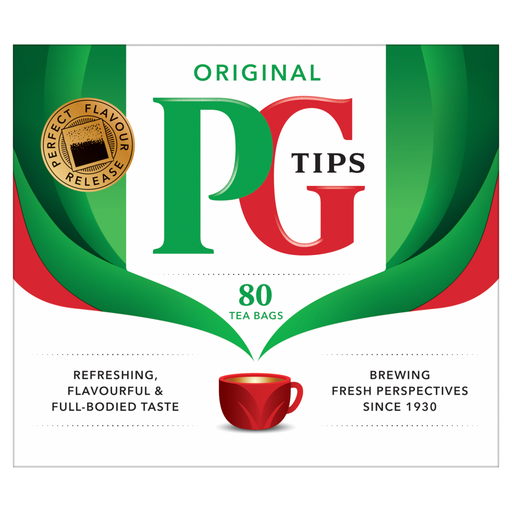 No image available
For counted servings of standard black tea, with milk described as a serving option in the listing. The pack contains 80 tea bags and is labelled 232g; it is not loose leaf.
 No image available
A decaffeinated black-tea choice for guests who request one, in an 80-bag, 277g pack. Organic and Fairtrade are part of this product’s stated description; follow the purchased pack’s brewing and caffeine information.
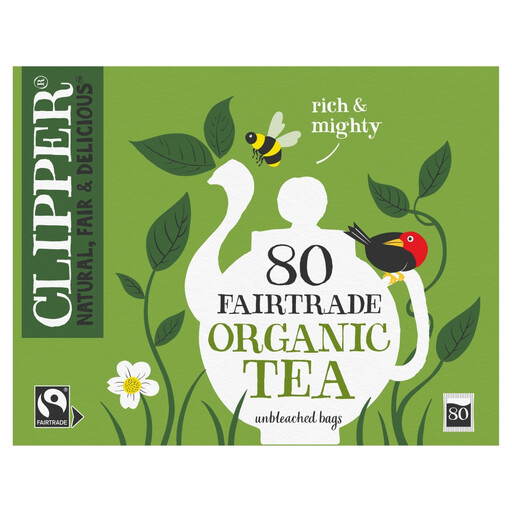 No image available
An 80-bag black-tea option for counted brunch servings, described in the listing as having a robust flavour. The pack is labelled 232g; check its own brewing directions before serving.
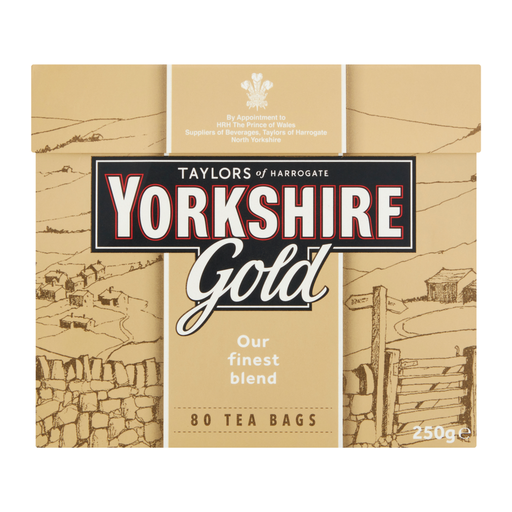 No image available
A counted black-tea pack for serving several guests, containing 80 bags and labelled 250g. If a particular strength or style for drinking with milk matters, check the description of this Gold variant rather than assuming it matches standard Yorkshire Tea.
No. The 80-count products discussed here are tea bags. Loose-leaf examples are labelled by net weight, such as Twinings 125g or Ringtons 250g, and their leaves need measuring for brewing.
Follow the directions for the exact tea and the number of cups you are making. Twinings gives one teaspoon per cup for its 125g loose English Breakfast tea; Fortnum & Mason gives one rounded teaspoon (2g) in the brewing guidance for its Breakfast Blend pouch.
Start with the description of a breakfast-style black tea and check whether its stated flavour suits your guests. Ringtons’ 80-bag Assam-and-Kenyan blend and Twinings English Breakfast are counted options; Twinings Strong English Breakfast is a separate choice for guests who want a bolder cup.
Consider it if your home has hard water and you want a blend made for that condition. Yorkshire Tea for Hard Water is described as blended for hard-water areas; that description does not make it necessary for every brunch table.
Read the current ingredients and allergen information on the exact pack and variant before serving it. Do not assume that a different tea from the same brand has identical contents.