Hosts serving several guests
An 80-teabag pack provides individual portions for multiple cups. If you are making a pot instead, check the pack’s directions rather than assuming that one bag will suit every pot size.


Choose an 80-teabag box if convenient individual cups matter most when serving a cream tea; an 80-bag pack is not loose tea. Choose loose breakfast tea if you want to measure leaves for a pot, and compare the blend’s stated flavour profile if you plan to serve it with milk.
An 80-teabag pack provides individual portions for multiple cups. If you are making a pot instead, check the pack’s directions rather than assuming that one bag will suit every pot size.
Loose leaves suit someone who wants to measure tea into a pot or infuser and adjust the amount used. Ringtons advises one teaspoon per cup for its loose tea.
An afternoon-style blend is worth considering instead of a blend described as strong. Twinings describes its English Afternoon 80-teabag blend as refreshing; that is the maker’s flavour description, not a rule about what to serve with cream tea.
Settle the format first, then compare flavour descriptions and brewing directions for the way you will serve the tea.
| Priority | What to check | Your needs |
|---|---|---|
| Tea format | Look for “tea bags” if you want individual portions, or “loose tea” if you want leaves to measure into a pot or infuser. An 80-teabag count does not describe loose leaves. | I’m serving several separate cups and want portioned bags, or I would rather measure loose tea for a pot. |
| Flavour with milk | Compare the maker’s descriptions of the exact blend. Fortnum & Mason describes its loose Breakfast Blend as robust and malty and suggests a dash of milk; Twinings describes its English Afternoon teabags as refreshing. | If I add milk, I want to choose between a more pronounced breakfast-tea profile and a lighter-tasting cup. |
| Brewing | Read the directions for the chosen product, including the amount of tea and steeping time. Ringtons advises a teaspoon per cup and 3–5 minutes for its loose tea; the Yorkshire Gold 80-teabag listing gives a 3–5-minute brew. | I’d like to make repeatable cups without assuming that directions for one blend or format apply to another. |
| Ingredients | Read the ingredient and allergen information for the exact pack, particularly when considering a flavoured or blended tea. | Where an ingredient or allergen matters to me or a guest, I need to check the selected product rather than rely on its brand or front-of-pack name. |
The cited 80-count products contain teabags. They will not let you measure loose leaves into a pot.
Check whether the pack says “tea bags” or “loose tea” before choosing a size.
The cited makers describe their blends differently: Twinings calls Strong English Breakfast bold, while it calls English Afternoon refreshing. These descriptions indicate different flavour choices, not an independent taste ranking.
Choose the stated profile that appeals to your guests; consider a smaller pack before committing to 80 bags of an unfamiliar blend.
A brewing direction for a particular loose tea or teabag product does not establish the right dose or time for every tea.
Use freshly drawn water, as advised by the UK Tea & Infusions Association, and follow the selected pack’s directions for the amount of tea and steeping time.
The information relevant to a dietary requirement belongs to the exact product, particularly if you are considering a flavoured blend.
Read that pack’s ingredient and allergen information before serving it to someone with a relevant requirement.
These brand examples illustrate formats and stated flavour profiles; they are separate from the Joybuy products listed below.
Twinings UK lists English Breakfast, Strong English Breakfast and English Afternoon in 80-teabag formats.
Yorkshire Tea distinguishes its loose tea from its bagged tea. Its Yorkshire Gold 80-teabag product is a bagged option.
Whittard lists loose tea and teabags as distinct formats.
Its Breakfast Blend is cited as a 250 g loose-leaf caddy.
Bettys lists a loose Breakfast Tea caddy and Tea Room Blend 80 Tea Bags as separate products.
Ringtons provides measuring and steeping guidance for its loose tea.
These products represent the individually portioned, 80-teabag route for a cream tea. Choose loose tea instead if measuring leaves for a pot is central to your decision.
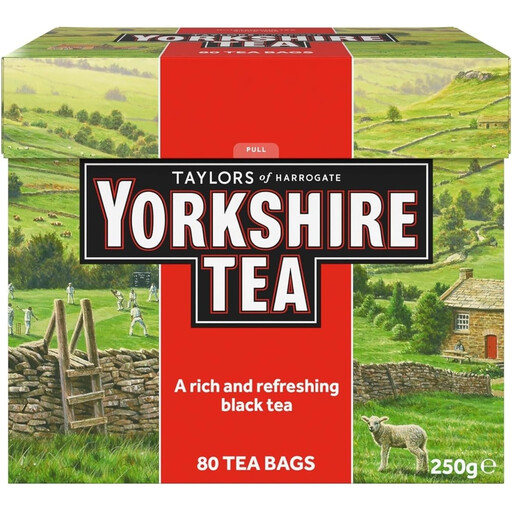 No image available
An individually portioned option for serving several cups at a cream tea; the 250 g, 80-bag pack is not loose tea. Check the pack’s directions if you plan to brew a pot.
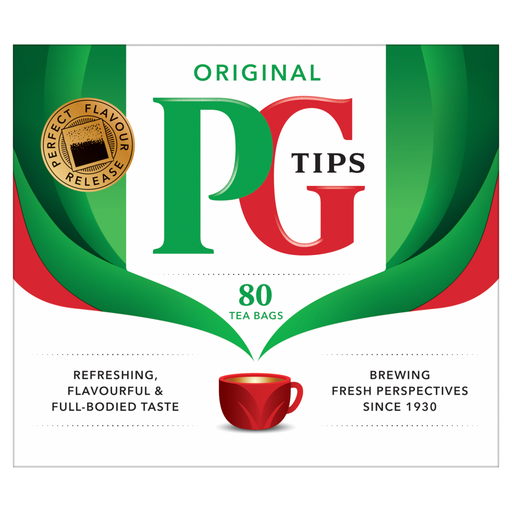 No image available
The 80 individually portioned bags suit a cream tea served in separate cups. This 232 g pack is bagged tea rather than loose leaves; use its own brewing directions.
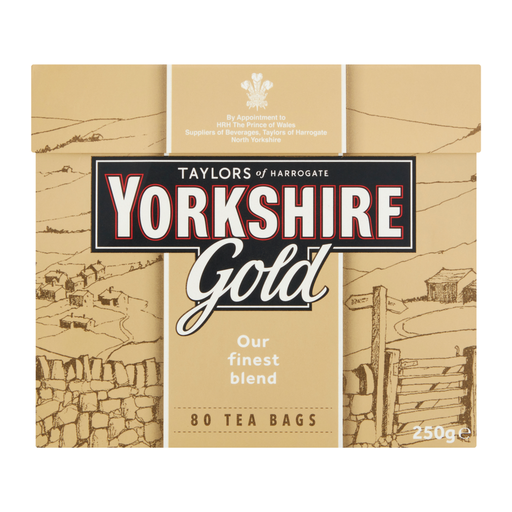 No image available
For portioned cups with an option to add milk, this is an 80-teabag, 250 g pack rather than loose tea. The Yorkshire Gold listing gives a 3–5-minute brew; follow the pack when preparing it.
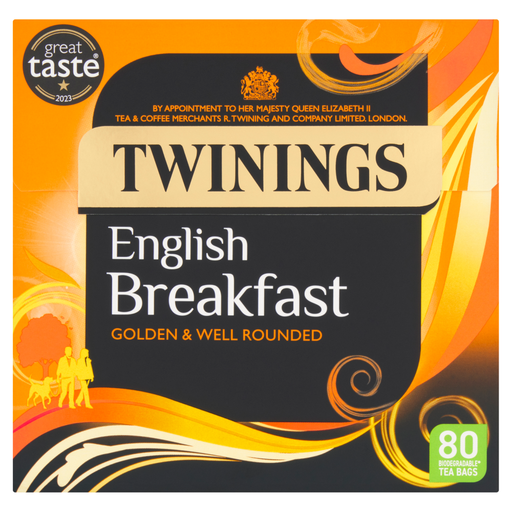 No image available
Consider this 80-bag, 200 g option if you want individual cups and a breakfast-tea blend: Twinings describes English Breakfast as having plenty of body. It is not loose tea; consult the pack for brewing directions.
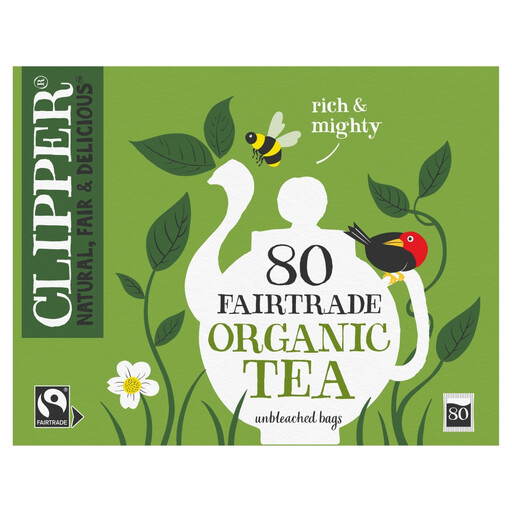 No image available
This 232 g, 80-bag option provides individual portions rather than loose leaves. If you are serving hot tea with scones, check the pack’s hot-brewing directions.
No: a pack labelled “80 tea bags” contains portioned bags, not loose leaves. If you want to measure tea into a pot or infuser, look for a product explicitly labelled loose tea and check its weight.
Look at the exact blend’s stated profile: a breakfast blend described as robust or full-bodied suits someone seeking a more pronounced tea character, while an afternoon blend described as refreshing offers a different flavour choice. Those descriptions reflect the makers’ wording, not an independent comparison of how the teas taste with milk.
Follow the directions for the product you choose rather than applying one brewing time to every tea. The UK Tea & Infusions Association advises freshly drawn water; the Yorkshire Gold 80-teabag listing specifies a 3–5-minute brew, while Ringtons advises one teaspoon per cup and 3–5 minutes for its loose tea.
Check the ingredient and allergen information for the exact pack before serving it, especially for a flavoured or blended tea. Do not infer suitability from the tea category or brand name.