
24/7 Customer Support

Free returns

Same-day & Next-day Delivery

Quality Guaranteed

Unlock Your Welcome Offers: FREE Delivery | Up to 80% OFF | Free 30-day JoyPlus trial
Download the APP
Buying tea and tea drinks in the UK can look straightforward until you compare pack sizes, ingredients, sugar levels and preparation methods. A large box is not automatically better value, while an attractive “traditional” label may describe a sweetened beverage rather than an ordinary tea infusion.
Whether you are stocking a family kitchen, office cupboard or student accommodation, these checks can help you avoid unsuitable purchases and choose tea for everyday drinking with greater confidence.
Traditional black tea bags usually contain tea leaves and are prepared with boiling water. Ready-to-drink tea, by contrast, may contain sugar, fruit juice, flavourings or other ingredients. A lemon tea carton can be convenient and refreshing, but it should not be compared directly with an unsweetened tea bag.
Check the ingredient list first. For example, a ready-to-drink lemon tea may contain black tea extract alongside sugar and lemon juice, while a standard tea bag may list only black tea.
A 500g or 750g pack may suit a busy household, but the number of servings depends on the number of bags, brewing strength and how many cups are made each day. A multipack of 24 cans or cartons can be practical for sharing, yet it may take up considerable cupboard space.
Compare price per tea bag, price per litre or servings per pack, rather than relying only on the headline weight.
Fruit-based spreads and instant latte powders can contain considerably more sugar than plain tea. Citron tea, for example, is often made with sugared fruit and is intended to be diluted in hot or cold water. Matcha latte powder may contain milk powder, sugar and vegetable creamer.
Always review the product’s current packaging for allergen information, nutritional values and storage instructions. This is particularly important when buying for an office or sharing with guests.
Choose the format that matches your routine:
Do not assume “herbal” means sugar-free or caffeine-free. Read the ingredients and nutrition panel to confirm what is actually in the drink.
For regular tea drinkers, a large box of tea bags can reduce the frequency of reordering. A 160-bag or 240-bag pack may work well for families, offices and shared accommodation. Smaller sachet packs are easier to store and useful if you are trying a flavour for the first time.
Ready-to-drink packs are generally convenient for groups, but check carton or can dimensions before ordering several cases. Store unopened drinks in a cool, dry place away from direct sunlight, then refrigerate products where the instructions require it after opening.
Look for clear information on:
For instance, the listed matcha latte powder contains milk powder and sodium caseinate, so it is not suitable for people avoiding milk. Some traditional-style herbal drinks contain added sugar and should be assessed as sweetened beverages rather than plain infusions.
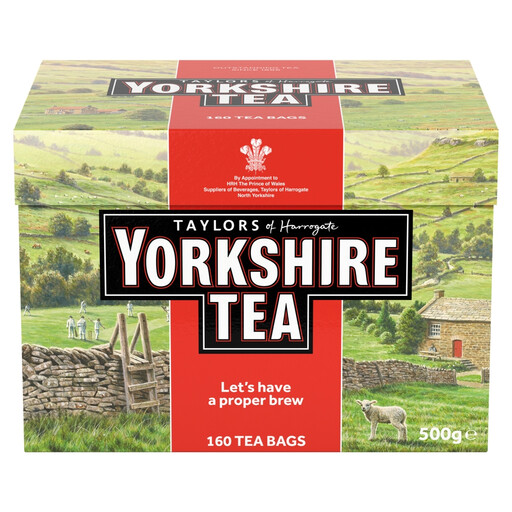
Why This Fits Their Persona: A familiar everyday black tea format for households, shared kitchens and regular mug drinkers who want a substantial pack.
The product is identified as black tea, making it easier to distinguish from sweetened ready-to-drink products.
160 tea bags, 500g net quantity and suitable for vegetarians and vegans according to the supplied product information.
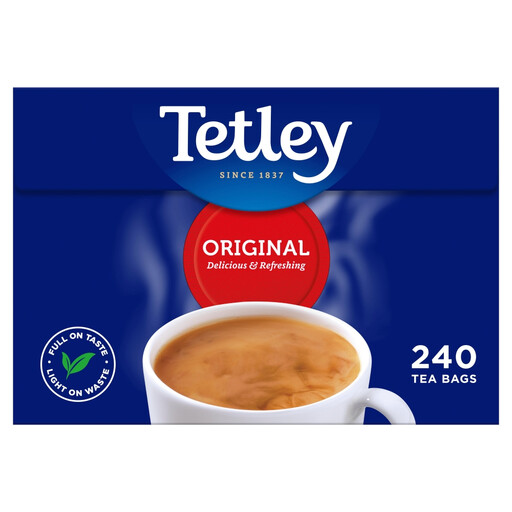
Why This Fits Their Persona: A large, straightforward pack for shoppers who prioritise a consistent cupboard staple and frequent serving.
The 240-bag quantity makes the serving count visible, avoiding vague value claims based only on pack weight.
750g net quantity, 240 black tea bags and no declarable allergens listed in the supplied information.
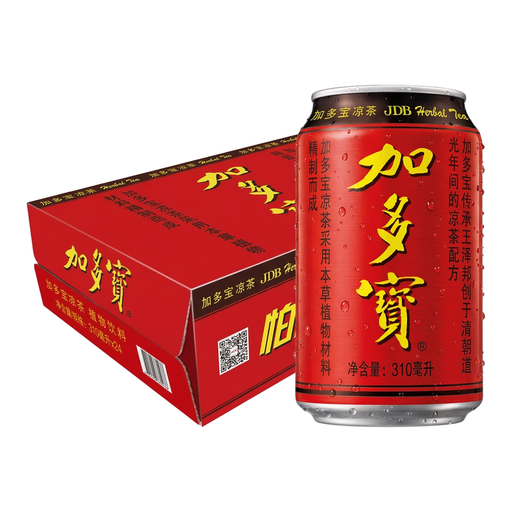
Why This Fits Their Persona: A case of ready-to-drink Chinese herbal tea for offices, celebrations, Asian food enthusiasts and shoppers serving groups.
The 310ml serving size and 24-can quantity are clearly stated, while the nutrition panel shows 5.0g sugars per 100ml.
Ready to drink, supplied in 24 cans and made with ingredients including chrysanthemum, honeysuckle and liquorice.
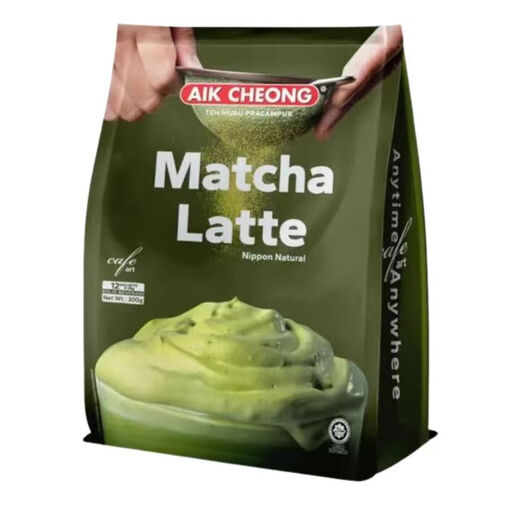
Why This Fits Their Persona: Individually portioned sachets suit students, home workers and anyone wanting a quick matcha latte without separate measuring.
The ingredient list makes the formulation clear: matcha powder is combined with milk powder, sugar and vegetable creamer.
Twelve 25g sachets, quick preparation with hot water or milk and clear milk allergen information.
We have compiled a complete, real-time list of products that fully satisfy these strict selection criteria and UK safety regulations.
For a Korean-style fruit drink, Dooraewon Passion Fruit Tea 570g contains passionfruit puree, sugar and fructose. Dooraewon Citron Tea 580g contains sugared citron and is listed at 52.8g sugars per 100g, so it is worth treating as a sweetened concentrate.
For chilled sharing, Vita Lemon Tea 24x250ml provides 24 ready-to-drink cartons. The supplied nutrition information lists 10.8g sugars per 100ml. For another Chinese herbal beverage, WALOVI Herbal Tea 310ml × 24 cans is supplied ready to drink and lists 8.5g sugars per 100ml.
Plain black tea bags are a practical choice for frequent hot drinks because they are simple to prepare and do not contain added sugar in the supplied product descriptions. If you prefer fruit or herbal flavours, check caffeine, ingredients and sugar levels before making them a daily choice.
Usually, tea bags and loose tea require fewer packaged ingredients and may offer a lower cost per serving. Ready-to-drink tea provides convenience, portability and easier group serving. Compare the price per litre or carton rather than only the shelf price.
Keep unopened tea bags, powders and concentrates in a cool, dry place away from direct sunlight. Follow the label for opened products: many ready-to-drink beverages should be refrigerated and consumed within the stated period. Always check the best-before information on the packaging before serving.