Hosts who want the leaves handled automatically
If you serve loose-leaf white tea and would rather not time and lift the leaves yourself, consider an automatic tea maker. Sage says its BTM800UK has white-tea settings and an automated basket.


Choose an automatic tea maker if you want one appliance to heat the water, steep loose leaves and lift them out; Sage describes those functions for its BTM800UK. A variable-temperature kettle suits you if you are happy to time and strain the leaves separately. Whichever route you choose, follow the brewing directions for your particular white tea rather than assuming every leaf needs the same setting.
If you serve loose-leaf white tea and would rather not time and lift the leaves yourself, consider an automatic tea maker. Sage says its BTM800UK has white-tea settings and an automated basket.
If you are comfortable brewing in a separate pot or infuser, compare the usable fill level with your cups and guest count. KitchenAid describes its 1.5 L 5KEK1522 as holding around six cups; Cuisinart lists a 1.7 L water window for the CPK525U.
A variable-temperature kettle lets you select the water temperature while choosing your own leaf quantity and steeping time. For its Silver Tips white tea, Teapigs directs 80°C water and a three-minute brew; check the directions for the tea you plan to serve.
Decide whether you want the appliance to manage the leaves as well as heat the water. Then check the temperature setting, usable fill level and handling instructions against the tea and the number of guests.
Choose it when: You want loose leaves immersed and lifted without timing and removing them yourself; Sage describes this basket cycle for the BTM800UK.
Trade-off: It is a dedicated brewing appliance, so check its tea-fill limit and cleaning routine against how you serve guests.
Choose it when: You want to heat water to a selected temperature and control the leaves and steeping yourself.
Trade-off: You must allow for separate teaware and remove or strain the leaves at the time your tea’s directions call for.
| Concern | What to check | Who this matters to |
|---|---|---|
| Water temperature | Compare your tea’s directions with the appliance’s selectable settings and increments. Teapigs specifies 80°C for its Silver Tips white tea. | If my tea calls for water below boiling, I want to select the instructed temperature rather than guess after the kettle boils. Around 50% of consumers would put temperature control first. |
| Serving several guests | Compare your cup sizes with the permitted fill level; check whether the serving schedule makes a keep-warm function useful. | When friends arrive together, I want enough for their cups without overfilling the appliance or interrupting serving to heat more water. For around 30% of consumers, serving capacity and workflow would be the primary concern. |
| Safe use and upkeep | Read the exact model’s fill, handling and cleaning instructions. Sage’s Tea Maker manual distinguishes WATER MAX from TEA MAX. | I need an appliance I can fill and handle according to its instructions, then clean after serving. Safe use and upkeep would come first for around 20% of consumers. |
Brewing directions differ by tea: Teapigs specifies 80°C water for its Silver Tips white tea.
Read the directions on your leaves before choosing a setting, and check that the appliance can select it.
A selectable water temperature does not establish an automatic steeping cycle. Sage describes an automated basket for its BTM800UK; the cited KitchenAid and Cuisinart kettles are specified for heating water.
If you want the leaves lifted automatically, look for that function on the exact model. Otherwise, plan to time the steep and use a pot or infuser.
Hot water and steam can scald. Sage’s Tea Maker manual warns against exceeding its separate WATER MAX and TEA MAX markings.
Follow the limit for the task you are doing; prepare another batch if you need more tea.
A reference for the dedicated automatic-tea-maker approach: Sage presents the BTM800UK with a white-tea programme and an automated basket.
A reference for heating water before brewing separately: KitchenAid describes the 5KEK1522 as a 1.5 L variable-temperature kettle.
A reference for hosts comparing kettle fill levels and temperature increments: Cuisinart specifies a 1.7 L water window for the CPK525U.
These appliances offer ways to prepare water or use an infuser when serving white tea to friends. Check each tea’s brewing directions and whether you will need to manage the steep yourself.
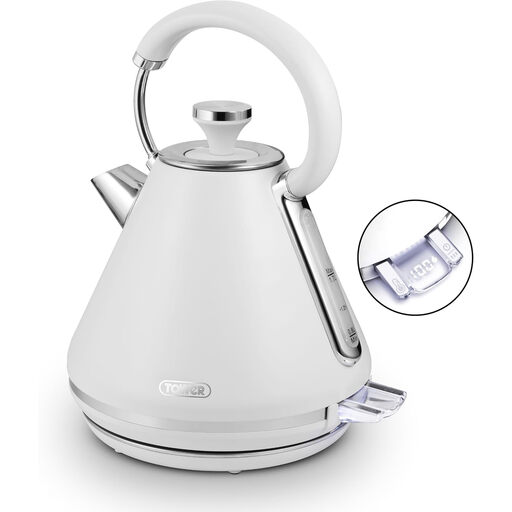 No image available
For guests’ tea brewed in a separate pot or infuser, this variable-temperature kettle provides a stated 1.7 L capacity. The product title specifies 3 kW; manage the leaf-steeping time separately and check the available settings against your tea’s directions.
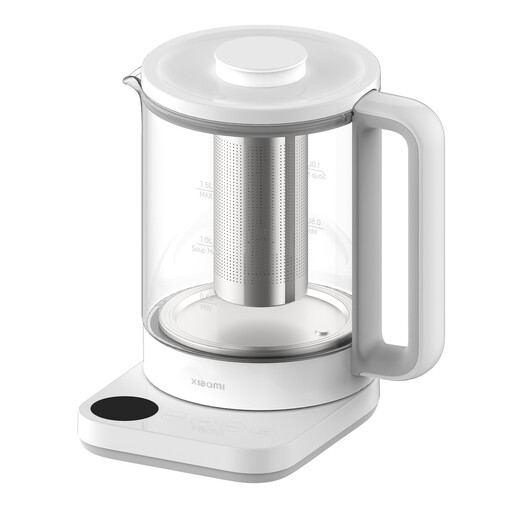 No image available
For serving water to be brewed with leaves separately, the product title specifies a 1.5 L capacity, variable-temperature control and a digital display. Confirm the exact model and selectable temperature settings before choosing it for a particular white tea, and time the steep yourself.
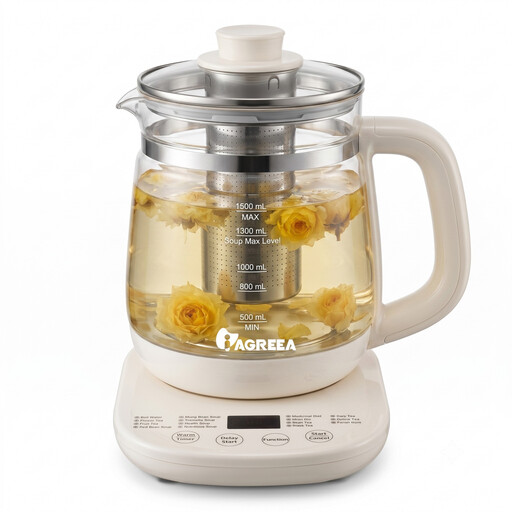 No image available
For brewing loose leaves for several guests, the product title specifies a stainless-steel tea infuser, 1.5 L capacity and six adjustable temperature settings. Check whether one setting matches your tea’s directions; an infuser alone does not establish automatic steep timing or leaf removal.
Use the directions for the white tea you are serving. Teapigs specifies 80°C water and a three-minute brew for its Silver Tips white tea, but that instruction should not be applied automatically to other leaves.
No: a variable-temperature kettle selects a water temperature, while an automatic tea maker can also manage the leaves if the exact model has that function. Sage says the BTM800UK lowers and raises its tea basket; with a kettle, plan to time and strain loose leaves yourself.
Compare the permitted fill level with your own cups and guest count, rather than relying only on a cup claim. KitchenAid describes its 1.5 L 5KEK1522 as around six cups, while Cuisinart lists a 1.7 L water window for the CPK525U; follow the chosen appliance’s fill markings when preparing tea.
Read the instructions for the exact model before its first brew. Sage’s Tea Maker manual calls for checking the electricity supply against the rating label, using the supplied base, placing the appliance on a stable, dry, heat-resistant surface and observing its separate WATER MAX and TEA MAX lines; another model’s instructions may differ.