Older people who enjoy an everyday cup of tea
An 80-bag box suits a household that wants individually portioned tea without measuring loose leaves. The NHS says tea can count towards fluid intake, provided any individual fluid advice is followed.


For an older person who enjoys tea, an 80-bag box offers a straightforward single-cup format; choose decaffeinated black tea if caffeine moderation matters, or standard black tea if the drinker tolerates it. Loose leaf calls for different preparation and does not provide the individually portioned format of tea bags. The NHS says tea counts towards fluid intake, but University Hospitals Sussex NHS Foundation Trust notes that black tea is not very high in energy, so it should not stand in for an individual nutrition plan.
An 80-bag box suits a household that wants individually portioned tea without measuring loose leaves. The NHS says tea can count towards fluid intake, provided any individual fluid advice is followed.
A decaffeinated 80-bag black tea offers a familiar format when caffeine sensitivity or a preference for tea later in the day affects the choice. Decaffeinated does not necessarily mean caffeine-free: Twinings states that its Everyday Decaffeinated 80 Tea Bags contain tea decaffeinated to 0.02% caffeine.
Tea may be part of a preferred drinks routine, but it should not replace an assessment of poor appetite or unintentional weight loss. University Hospitals Sussex NHS Foundation Trust describes black tea as hydrating but not very high in energy; Norfolk and Waveney Integrated Care Board guidance calls for individual assessment of people in care who are at risk of malnutrition.
Decide whether individually portioned tea bags or loose-leaf preparation fits the household, then check caffeine preference and any individual advice about drinks or meals.
Choose when: the drinker wants an 80-bag black-tea routine while moderating caffeine.
Bear in mind: check the specific product if a precise caffeine limit matters; brewed tea is not a substitute for nutrition support.
Choose when: the drinker already enjoys and tolerates caffeinated black tea and wants an 80-bag box.
Bear in mind: the NHS advises consuming caffeine in moderation because sensitivity varies.
Choose when: preparing tea with an infuser or teapot is manageable and an 80-bag format is not essential.
Bear in mind: measuring leaves and cleaning the equipment add steps to each brew.
| Priority | What to check | Your needs |
|---|---|---|
| Format | Check whether the pack contains 80 tea bags or loose tea sold by weight. For loose leaf, consider the infuser or teapot and the steps needed to prepare a cup. | Individually portioned bags would make a cup simpler to prepare, or I have help and equipment for loose leaf. |
| Caffeine | Check whether the tea is standard, decaffeinated or a different type of infusion. If a precise caffeine limit matters, check the product’s declared information. | I would rather choose decaf for this drinker, or I know they tolerate their usual caffeinated tea. |
| Fluids | Check that the drink is one the person likes and that it fits any individual fluid plan. The NHS includes tea and coffee in daily fluid intake and advises moderation with caffeine. | A familiar cup may be easier to offer regularly, while any prescribed fluid restriction still takes priority. |
| Nutrition | Consider whether poor appetite or weight loss needs separate assessment. University Hospitals Sussex NHS Foundation Trust says black tea is hydrating but not very high in energy. | I am choosing tea as a drink, not relying on it to address nutritional needs. |
| Meal timing | For someone following iron-deficiency dietary advice, check when tea will be served. University Hospitals Coventry and Warwickshire NHS Trust advises avoiding tea within one hour before or after meals. | Tea between meals would fit the person’s iron-deficiency advice better than tea alongside a meal. |
University Hospitals Sussex NHS Foundation Trust says black tea provides fluid but is not very high in energy. A warm drink alone does not address poor appetite or unintentional weight loss.
Keep tea as a drink the person enjoys, and seek an individual nutrition assessment if poor appetite or weight loss is a concern.
A large standard black-tea pack may not suit someone who wants to moderate caffeine. The NHS advises moderation because sensitivity varies.
Ask which tea the person prefers and check a decaffeinated product’s declared caffeine information if a specific limit matters.
University Hospitals Coventry and Warwickshire NHS Trust advises that tea or coffee with a meal can greatly reduce iron absorption.
When following that trust’s iron-deficiency dietary advice, leave at least one hour between tea and a meal unless the person’s clinician advises otherwise.
Tea bags are individually portioned; loose-leaf tea is measured out and prepared with an infuser, strainer or teapot. They create different preparation routines.
Choose the format first. If 80 individually portioned cups are the priority, check the bag count on the pack rather than a loose tea’s weight.
Twinings lists both 80-bag black teas and loose tea sold by weight.
Bettys lists Yorkshire Tea as an 80-bag black-tea option.
Whittard lists loose teas alongside traditional tea-bag formats.
Fortnum & Mason lists loose-leaf tea and several tea-bag pack sizes.
Bettys lists Tea Room Blend in an 80-bag, 250g box.
Ringtons lists a boxed 80-bag black tea.
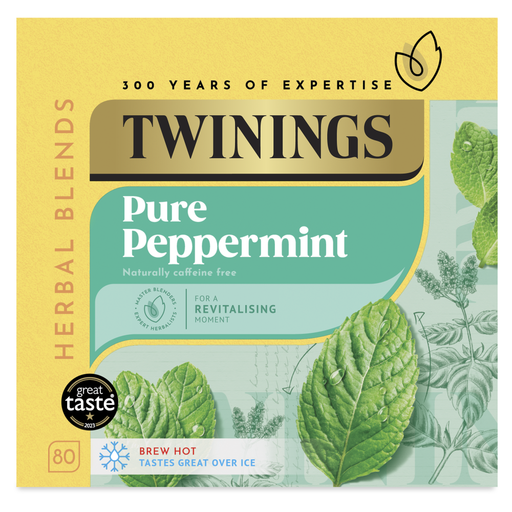
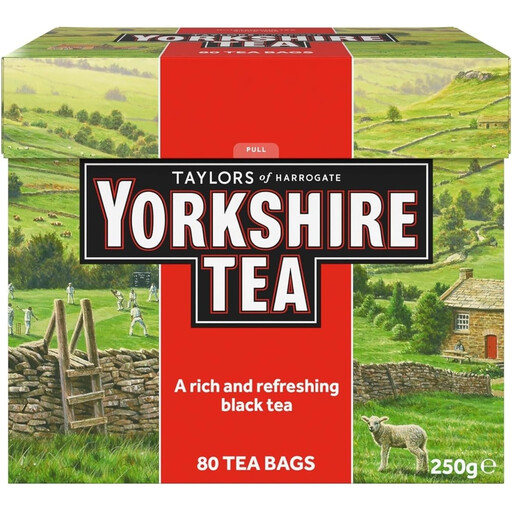
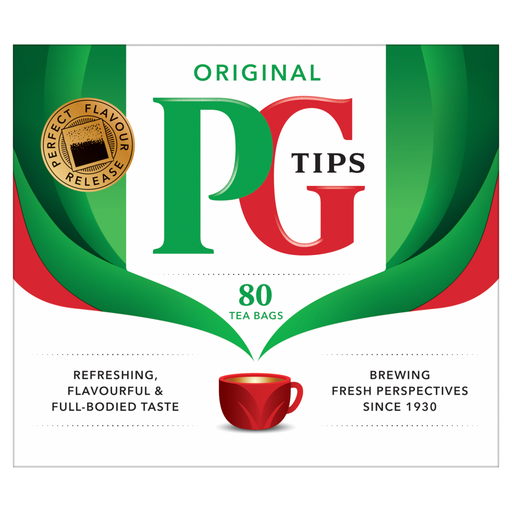
These 80-pack options cover a peppermint infusion, decaffeinated black tea and standard black tea for a single-cup routine. They are tea bags, not loose leaf; choose the type the drinker wants before comparing packs.
 No image available
For someone who prefers peppermint to black tea, this 80-pack offers individually portioned bags. Check the pack’s caffeine information if a specific limit matters; peppermint tea should not be treated as nutrition support.
 No image available
This 80-bag decaffeinated tea suits a drinker who wants a black-tea routine while moderating caffeine. The pack is labelled 250g; check its caffeine information if a precise limit applies.
 No image available
Another 80-bag decaffeinated option for someone who prefers tea bags to loose-leaf preparation. The named pack is 277g; check its declared caffeine information if the drinker has a specific limit.
 No image available
This 80-bag standard tea is an option when the drinker enjoys and tolerates caffeinated black tea. The named pack is 250g; choose a decaffeinated product instead if caffeine moderation is needed.
 No image available
This 80-bag standard tea fits a familiar tea-bag routine when caffeinated tea is well tolerated. The named pack is 232g; it is not a decaffeinated choice.
No. An 80-bag box contains individually portioned tea bags, while loose-leaf tea is measured out and prepared with a teapot, infuser or strainer. If portioned cups are the reason for buying the box, check the bag count rather than a loose tea’s weight.
Yes, the NHS includes tea and coffee in daily fluid intake. Follow any individual fluid restriction or advice from the person’s care team, and bear in mind the NHS advice to consume caffeine in moderation.
No. University Hospitals Sussex NHS Foundation Trust describes black tea as hydrating but not very high in energy. If poor appetite or unintentional weight loss is a concern, seek an individual nutrition assessment rather than relying on tea to meet nutritional needs.
University Hospitals Coventry and Warwickshire NHS Trust advises avoiding tea within one hour before or after meals when following its dietary advice for iron deficiency anaemia, because tea with a meal can greatly reduce iron absorption. Follow any different instructions given by the person’s clinician.
Choose a format the person or carer can manage, follow the pack’s brewing directions and consider who will handle the hot water. Individually portioned bags avoid measuring loose leaves, but they do not remove the need for safe pouring and preparation.