What should you check before choosing?
Start with the time of day and the brewing equipment you already have. Then check the exact tea or capsule, because neither format alone tells you its caffeine content or how you will prepare it.
| Priority | What to check | Your needs |
|---|
| Caffeine |
Check whether the tea is standard, decaffeinated or a caffeine-free infusion. For coffee, check the exact capsule’s caffeine information, especially for variants marketed with added caffeine. |
For a late session, I want to know what is in my cup before choosing it. NHS Borders advises avoiding caffeinated drinks close to bedtime because they can disrupt sleep. |
| Tea preparation |
Check the pack’s amount, water and steeping instructions, plus whether you need an infuser, strainer or teapot. Whittard of Chelsea recommends about 2 g of loose tea per cup; follow the specific pack where its directions differ. |
I can make time to measure and steep leaves if a tea-making break is part of my revision routine. |
| Pod compatibility |
Identify your machine’s capsule system and check that the exact pods match it. Nespresso UK identifies Original capsules as part of its Original range; a capsule’s name alone is not a compatibility check. |
If I already use a pod machine, I need capsules that fit it. Without a matching machine, I would choose a drink I can prepare with the equipment I have. |
| Pod disposal |
Check the recycling route for your machine, pod type and postcode. Podback provides a checker for the applicable route; do not assume every pod uses the same collection method. |
Before making pods a regular revision drink, I want a disposal routine I can follow. |
Which tea brands are relevant?
These brand ranges offer different starting points for exploring tea; a brand’s presence here does not mean every one of its products has the same format or caffeine status.
Twinings
Twinings lists loose black teas such as Assam, English Breakfast and Earl Grey. Its wider tea range also gives shoppers other drink types to check individually.
- Named loose-tea blends offer a starting point for a tea-focused revision break.
- Check each product’s format and caffeine information rather than applying one blend’s details to the whole range.
Yorkshire Tea
Yorkshire Tea describes loose versions of its Yorkshire Tea and Yorkshire Gold blends, alongside separate decaffeinated options.
- The named loose blends suit shoppers seeking a familiar black-tea style.
- A standard blend should not be treated as decaffeinated; check the exact pack.
Whittard of Chelsea
Whittard offers loose tea and brewing guidance for shoppers who want to make measuring and steeping part of the break.
- Whittard recommends around 2 g of loose tea per cup as a starting measure.
- Loose tea still requires suitable brewing equipment and the directions for the particular tea.
Fortnum & Mason
Fortnum & Mason lists loose-leaf teas in caddies and other packs, including traditional blends.
- Pack formats and named blends give shoppers choices for a loose-tea routine.
- Check the individual tea’s pack size, format and brewing directions before choosing it for regular use.
Bettys
Bettys offers loose blends for shoppers interested in its tea range and a leaves-and-infuser brewing routine.
- Its loose-tea range provides named blends to compare by tea type.
- Bettys’ flavour descriptions are the retailer’s own; use the specific blend and pack details to decide what to try.
Ringtons
Ringtons lists loose teas and gives straightforward preparation advice for its loose English Breakfast tea.
- Ringtons advises one teaspoon per cup and three to five minutes of steeping for that tea.
- You will need a way to strain loose leaves; follow the directions for any different blend.
Tea options for revision breaks
These Joybuy options focus on decaffeinated tea and caffeine-free infusions for shoppers considering caffeine during revision. Three are tea bags; confirm the format of Yorkshire Tea Decaf if loose leaf is important to you. This tea selection is not a comparison of coffee-pod products.
 No image available
Twinings Lemon & Ginger Tea Bags, 20 pack
A caffeine-free infusion to consider for an evening revision break. The 20-pack contains tea bags, not loose leaves; check the pack’s brewing directions.
View on Joybuy
 No image available
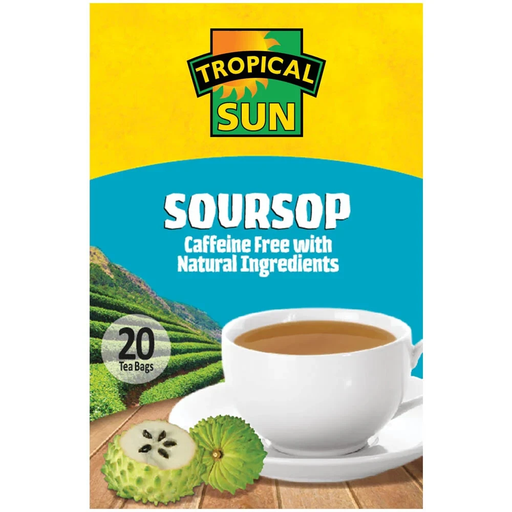
Tropical Sun Soursop Tea, 20 tea bags
A caffeine-free soursop infusion for a break when you want to avoid caffeine. It comes as 20 tea bags rather than loose leaves; follow its directions for hot or cold preparation.
View on Joybuy
 No image available
Twinings Pure Peppermint, 80 pack
A caffeine-free peppermint infusion to consider for caffeine-conscious revision breaks. This 80-pack contains tea bags, not loose leaves; use the pack instructions for brewing.
View on Joybuy
 No image available
Taylors of Harrogate Yorkshire Tea Decaf, 250 g
A decaffeinated black-tea option for shoppers who prefer that tea style during revision. Check whether this 250 g pack contains loose tea or bags, and follow its own brewing instructions.
View on Joybuy
Common questions
Should I choose loose-leaf tea or coffee pods for revision?
Choose loose-leaf tea if you want to measure and steep your drink and have a way to strain it. Coffee pods suit a different routine if you already own a compatible machine. For either choice, check the exact product’s caffeine information, particularly when studying near bedtime.
What can I drink during evening revision if I want to avoid caffeine?
Check for a product identified as a caffeine-free herbal or fruit infusion, or consider decaffeinated tea if that is the type you want. Do not assume ordinary tea is caffeine-free: NHS Borders advises avoiding caffeinated drinks close to bedtime because they can disrupt sleep.
How much loose tea should I measure per cup?
Whittard of Chelsea recommends one teaspoon, around 2 g, per cup as a starting measure. Check the directions on your particular tea for its water and steeping instructions.
How do I check whether coffee pods can be recycled?
Use Podback’s UK recycling checker with your machine, pod type and postcode to find the applicable route. Do not assume every capsule goes into the same household collection.
Can I judge a coffee pod’s caffeine content from its flavour?
No; check the exact capsule’s caffeine declaration. Nespresso UK, for example, lists 200 mg per mug for its Vertuo Melozio Boost and 170 mg for regular Melozio, so those named variants should not be treated as interchangeable on caffeine content.


