Parents serving an after-school tea
A fruited teacake may suit a tea that calls for a sweet bun, whether served as sold or toasted. Check the portion and the current pack instructions before serving.


Choose a fruited teacake when you want a sweet fruit bun that can be served straight from the pack or toasted; choose a seeded loaf when sliced bread is the format you need. A seeded loaf is not a seeded teacake, and neither format is automatically suitable for a child with an allergy or a gluten restriction. Check the current pack and, if the food is going to school, the school's allergy arrangements.
A fruited teacake may suit a tea that calls for a sweet bun, whether served as sold or toasted. Check the portion and the current pack instructions before serving.
A seeded loaf gives you a bread format rather than a fruited teacake. Decide which you want to serve before comparing ingredients and nutrition information.
Check each product's full ingredient and allergen statements. A gluten-free seeded loaf is a different product from a standard teacake and may still contain other allergens.
Start with the serving format—fruited bun or seeded bread—then compare the exact packs for allergens, portion nutrition and preparation.
| Priority | What to check | Your needs |
|---|---|---|
| Allergens and gluten | Read the full ingredient list and precautionary allergen wording on the current pack. A gluten-free claim does not answer questions about egg, sesame or nuts. | I need to know whether this exact product fits the child's food restrictions. The Warburtons Gluten Free Seeded Loaf cited by Waitrose is labelled free from gluten, wheat and milk, but its ingredient list includes egg white powder. |
| Serving and nutrition | Compare sugars on the same basis, using both per-serving and per-100g figures. Note the weight of the portion you intend to serve. | If I'm comparing teacakes, the serving size matters as much as the headline figure. Warburtons lists 8.9g sugars per 62.5g Fruity Teacake; Sainsbury's lists 13.8g per teacake, so those figures alone are not a like-for-like comparison. |
| Preparation and storage | Check whether the pack permits serving without heating, toasting or freezing. Follow any stated use-by or after-opening instructions. | Some days I want to serve tea straight away; on others, I'm buying ahead. Sainsbury's describes its fruited teacakes as ready to eat or suitable for heating, while the cited Waitrose seeded sourdough has same-day consumption guidance. |
| Bun or seeded bread | Look for the actual product format and seed ingredients rather than relying on a search term. Check the grains and allergen statement of a seeded loaf separately. | I want a fruited bun for one kind of tea-time plate, but sliced seeded bread for another. The Waitrose No.1 Seeded Ancient Grains Sourdough is a loaf, not a seeded version of a teacake. |
The fruited teacakes and seeded sourdough cited here are different bakery formats, with different ways of serving them and different ingredient statements.
Choose the bun or bread format first, then compare packs within that route.
The cited gluten-free seeded loaf includes egg white powder. Waitrose also states that its seeded sourdough may contain peanuts, nuts and sesame.
Read the full current label, including precautionary wording, against the individual child's requirements.
A per-teacake figure describes that product's stated serving, which need not match another teacake's weight.
Check the serving weight and per-100g information alongside the amount you plan to serve.
Tesco notes that food ingredients and allergen information can change. An earlier online listing may not describe the pack in hand.
Recheck the physical pack each time, particularly when an allergy or school restriction affects the choice.
These references illustrate particular teacakes and seeded loaves; the details of one product do not apply to every product from the same brand or retailer.
Warburtons lists Fruity Teacakes and, separately, a Gluten Free Seeded Loaf.
Tesco's teacake listings can help you compare products before shopping.
Its cited own-label Fruited Teacakes come as a six-pack and can be served as sold or heated.
M&S Luxury Teacakes are a fruited teacake option, not a seeded loaf.
The cited Waitrose products include Richly Fruited Teacakes and No.1 Seeded Ancient Grains Sourdough.
Roberts 4 Teacakes are a standard fruited-teacake option listed by Tesco.
This Joybuy option is a loaf for a bread-style tea time, rather than a fruited teacake. Check its pack details against the child's requirements.
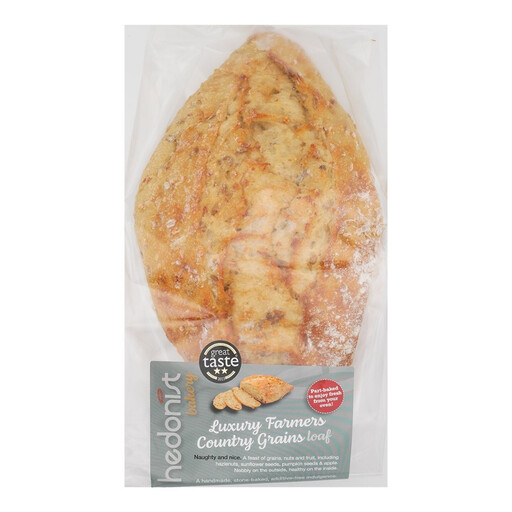 Image unavailable
Consider this loaf if you want bread rather than a fruited bun for tea time. Its product information flags wheat and hazelnuts; check the current pack's full allergen statement and serving instructions before giving it to a child.
The standard fruited teacakes cited here contain wheat and gluten, so they do not fit a gluten-free requirement. Choose a product specifically labelled gluten-free and check its complete ingredient and allergen statements; the cited gluten-free seeded loaf, for example, includes egg white powder.
No. Seeds describe ingredients, not suitability for every child. Waitrose states that its No.1 Seeded Ancient Grains Sourdough contains gluten-containing cereals and may contain peanuts, nuts and sesame, so check the exact loaf's label.
Yes. Ask the individual school about its allergy arrangements and any food restrictions before packing a teacake or seeded loaf. The Department for Education's school food allergy guidance describes allergy safety arrangements for schools in England; confirm the local school's arrangements elsewhere in the UK.
Not always. Warburtons says its Fruity Teacakes can be eaten fresh from the pack or toasted, while Sainsbury's describes its Fruited Teacakes as ready to eat or suitable for heating. Follow the instructions on the product you buy.
Use the webpage to plan your shop, but make the serving decision from the current pack. Tesco warns that ingredients and allergen information can change, and the exact label matters when a child has a food restriction.