
24/7 Customer Support

Free returns

Same-day & Next-day Delivery

Quality Guaranteed

Unlock Your Welcome Offers: FREE Delivery | Up to 80% OFF | Free 30-day JoyPlus trial
Download the APP
Choosing between whitening toothpaste, a whitening serum and an at-home teeth whitening kit can be confusing. Product packaging often highlights dramatic results while giving less attention to sensitivity, ingredients, usage limits and the difference between removing surface stains and changing tooth colour.
There is also an easy-to-miss category trap: teeth whitening products are not the same as laundry whitener or household bleach. A toothpaste or whitening kit is formulated for oral use, while fabric whitening powder and chlorine-based bleach must never be used in the mouth.
Most whitening toothpaste works by helping remove external stains caused by tea, coffee, red wine and tobacco. This can make natural teeth look cleaner, but it may not alter the underlying shade of enamel or dental restorations.
Look for clear wording such as surface stain removal, rather than assuming that a dramatic shade change is guaranteed. Hydrogen peroxide products, including some whitening serum and LED teeth whitening kit options, use a different approach and require closer attention to suitability and instructions.
Rapid teeth whitening may sound attractive, but peroxide-based products can be unsuitable for people with sensitive teeth, gum irritation, worn enamel, open lesions or existing dental concerns. The Colgate Max White Overnight Teeth Whitening Serum, for example, specifically advises against use by people with sensitive teeth or gums.
If sensitivity persists or worsens, speak to a dentist before continuing. Whitening products cannot correct decay, cracked teeth, gum disease or poorly fitting dental work.
A whitening toothpaste may contain hydrated silica, polishing agents or other stain-lifting ingredients. The important question is whether the product is intended for regular brushing and whether it contains fluoride.
For everyday care, a fluoride toothpaste with around 1,450 parts per million (ppm) fluoride is a practical specification to check on UK packaging. Whitening should complement, not replace, brushing, interdental cleaning and routine dental care.
A whitening toothpaste should still support ordinary oral hygiene. Products in this selection list 1,450 ppm fluoride, including Colgate Total Active Prevention Teeth Whitening Toothpaste, Sensodyne Rapid Relief Whitening, Oral-B 3DWhite Advanced Express, ARM & HAMMER Advance White and Colgate Advanced White.
Check the pack for the exact fluoride level and usage instructions. Children’s guidance also varies, so follow the age recommendations rather than sharing an adult product casually.
For people with sensitive teeth, select a product that specifically addresses sensitivity instead of choosing a stronger whitening formula simply because it promises faster results. A sensitive teeth whitening toothpaste may focus on protective ingredients and gradual stain removal.
Those experiencing bleeding gums may prefer a gum care toothpaste, but persistent bleeding should be discussed with a dental professional. A toothpaste can support a routine, but it should not be treated as a diagnosis or cure.
A whitening serum or kit may contain hydrogen peroxide, while a stain-removing toothpaste may rely mainly on polishing and cleaning ingredients. Read the ingredient list, warnings and maximum frequency of use.
For an LED kit, check what is included, how long each session lasts and whether the instructions exclude veneers, crowns, implants, braces or other non-natural teeth. Whitening generally affects natural tooth surfaces, so dental restorations may not change colour in the same way.
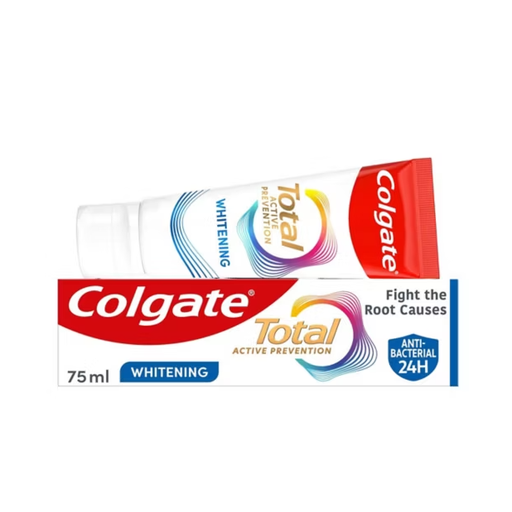
Why This Fits Their Persona: A straightforward choice for shoppers wanting one fluoride toothpaste for twice-daily brushing, everyday cleaning and gentle whitening support.
It is positioned as daily oral care rather than a short-term dramatic whitening treatment, helping set realistic expectations about surface stains.
75ml tube; contains stannous fluoride and sodium fluoride with a total fluoride content of 1,450 ppm.
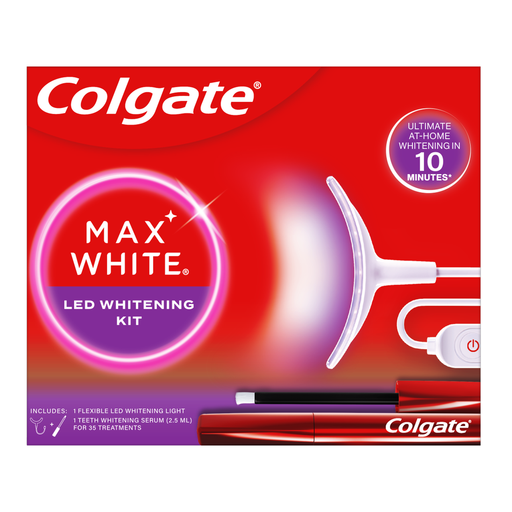
Why This Fits Their Persona: Suits adults seeking a structured at-home routine with a whitening pen, LED device and storage case.
Its instructions specify session limits and exclusions, including sensitive teeth, gum disease, worn enamel and non-natural teeth.
Includes an LED light, whitening pen and case; the listed serum contains 3.5% hydrogen peroxide.
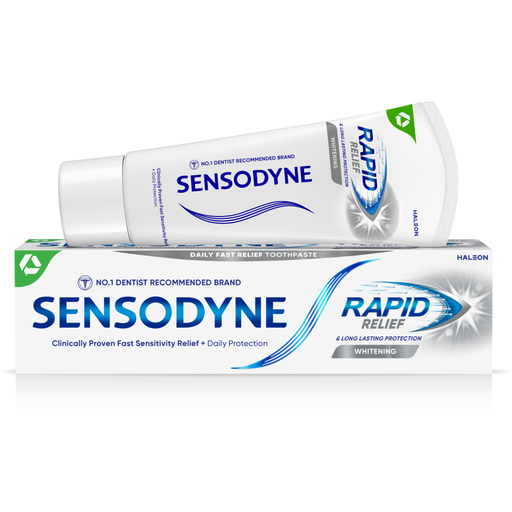
Why This Fits Their Persona: Designed for shoppers who prioritise sensitivity care while still wanting help with everyday surface staining.
It places sensitive-teeth use at the centre of the product rather than treating whitening speed as the only consideration.
Contains 1,450 ppm fluoride; offers a targeted application instruction for sensitive areas.
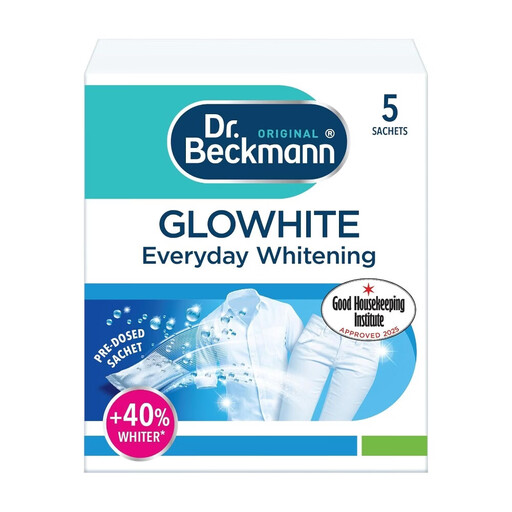
Why This Fits Their Persona: A practical option for UK households maintaining white uniforms, towels, bedding and cotton-blend garments.
It makes the oral-care versus laundry distinction clear: use only in the washing machine with suitable fabrics, never on teeth or skin.
Five 40g sachets; designed for use alongside normal detergent at 40°C without pre-soaking.
We have compiled a complete, real-time list of products that fully satisfy these strict selection criteria and UK safety regulations.
Whitening toothpaste mainly helps remove surface stains during brushing. An at-home whitening kit or whitening serum may contain peroxide and is used as a separate treatment according to specific instructions. Kits generally require more safety checks, particularly for sensitivity and dental restorations.
Results vary according to the type and amount of staining, brushing habits and the formula used. Some products describe visible surface-stain changes after several days, but these descriptions are product-specific. Use consistently and follow the label rather than increasing the amount or brushing force.
Some can use a sensitive teeth whitening toothpaste formulated for that concern, but peroxide serum and LED kits may be unsuitable. Read the warnings carefully and seek dental advice if sensitivity continues, becomes painful or occurs alongside swelling or bleeding.