
24/7 Customer Support

Free returns

Same-day & Next-day Delivery

Quality Guaranteed

Unlock Your Welcome Offers: FREE Delivery | Up to 80% OFF | Free 30-day JoyPlus trial
Download the APP
A brighter smile does not always require an expensive whitening treatment. For many UK shoppers, a suitable teeth whitening toothpaste can help lift surface stains caused by tea, coffee, red wine and tobacco while supporting everyday fluoride care.
However, product packaging can make similar formulas sound very different. “Instant whitening”, “advanced crystals” and “professional results” may refer to surface cleaning rather than a change to the natural colour of the tooth. The right choice depends on your sensitivity, brushing habits, fluoride requirements and expectations.
Most whitening toothpastes work by using cleaning or polishing ingredients, such as hydrated silica, to remove some stains sitting on the outer tooth surface. This can reveal a cleaner-looking natural shade, but it will not necessarily change deeper or intrinsic discolouration.
If a product says it removes “up to 100%” of surface stains, check the wording carefully. This is not the same as making every tooth several shades whiter. A toothpaste for removing surface stains is generally more appropriate for gradual maintenance than dramatic colour correction.
A strong polishing feel can seem reassuring, but more intense scrubbing is not automatically preferable for daily brushing. Brushing pressure, brush hardness and frequency also affect comfort.
Those looking for enamel-safe whitening toothpaste should follow the product directions, use a soft-bristled brush and avoid aggressive pressure. If whitening causes discomfort, switch to a gentler formula or ask a dental professional for individual advice.
A whitening formula should still fit your regular oral-care routine. For adults, many UK toothpastes contain around 1,450 ppm fluoride, which is clearly stated on several products in this selection. Fluoride helps protect against tooth decay when used as directed, but it does not make a whitening claim automatically reliable.
People searching for whitening toothpaste for sensitive teeth should also check for sensitivity-focused ingredients and warnings. Persistent or worsening sensitivity may indicate an underlying issue, so toothpaste should not be used to delay dental advice.
Look for the total fluoride content on the packaging rather than relying only on terms such as “protective” or “strengthening”. The Oral-B and Colgate products listed here specify 1,450 ppm fluoride. Sensodyne Pronamel Gentle Whitening lists sodium fluoride at 0.115% fluoride, equivalent to 1,150 ppm.
Follow the age guidance on the label, supervise young children where required and do not swallow toothpaste. Adults should normally brush twice daily, spit rather than swallow and follow any instructions given by a dental professional.
Ingredients including hydrated silica, pyrophosphates or hexametaphosphate can contribute to cleaning and surface-stain removal. These ingredients do not all perform the same function, so compare the ingredient list and product description rather than judging by the name alone.
A product marketed as a daily whitening toothpaste should be comfortable enough for regular use. If you have a history of acid wear, prioritise enamel-care features and gentle brushing over the fastest advertised result.
Most tubes in this selection contain between 75ml and 125ml. A pea-sized amount and twice-daily brushing make tube size useful for comparing value, but actual lifespan depends on how much toothpaste each person uses.
A larger tube is not automatically more economical if the formula is unsuitable for your needs. A 75ml sensitive-teeth product may offer better practical value than a larger tube that causes discomfort and is left unused.
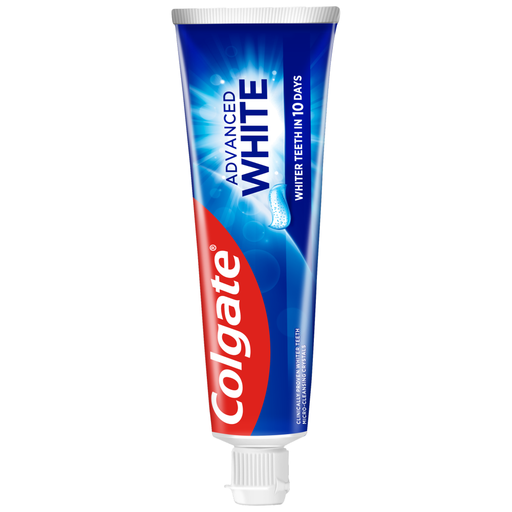
Why This Fits Their Persona: The 125ml tube suits shoppers wanting a straightforward fluoride whitening toothpaste for morning and evening brushing without choosing a specialist sensitivity formula.
Its product information identifies surface-stain removal and daily use, helping set a more realistic expectation than deep bleaching.
125ml size; contains sodium fluoride with a stated total fluoride content of 1,450 ppm.
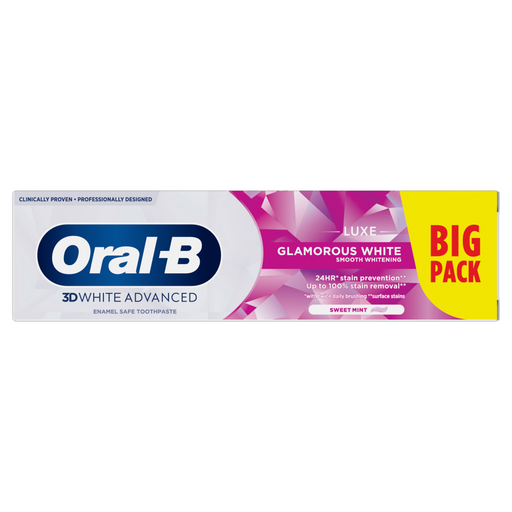
Why This Fits Their Persona: A 100ml format with a mint flavour and stain-focused technology suits adults who want whitening integrated into an established daily routine.
The description separates surface-stain removal from prevention and specifies twice-daily use, making the maintenance expectation clearer.
Contains sodium fluoride at 1,450 ppm; product information lists deep-penetrating foam and a recyclable tube.
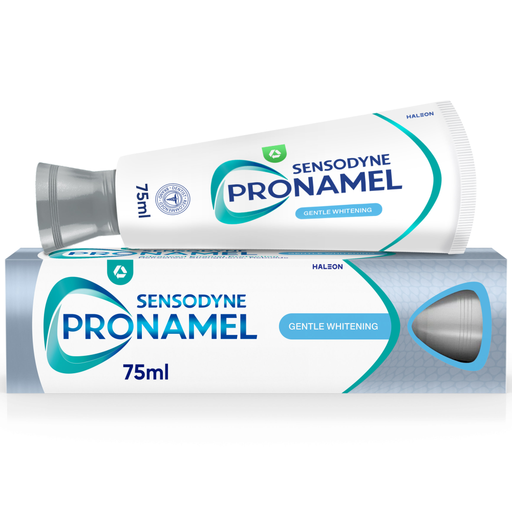
Why This Fits Their Persona: This option is aimed at adults prioritising sensitivity and acid-wear considerations while still wanting gentle whitening for everyday use.
It focuses on gentle whitening and enamel-care positioning rather than promising rapid dramatic colour change.
Contains potassium nitrate and fluoride; product information identifies acid-wear care and gentle whitening.
We have compiled a complete, real-time list of products that fully satisfy these strict selection criteria and UK safety regulations.
For most adults, brush for at least two minutes twice daily with a soft-bristled toothbrush. Use a pea-sized amount, spit after brushing and follow the age restrictions printed on the tube. Avoid increasing the amount or brushing harder to accelerate whitening.
Whitening toothpaste can help maintain a cleaner appearance, but frequent tea, coffee, red wine and smoking can contribute to new staining. Rinsing with water after these drinks and maintaining regular dental appointments may help support your routine.
Many products are designed for twice-daily use, but suitability depends on the individual formula and your oral comfort. Follow the label instructions and stop using a product if irritation develops. People with ongoing sensitivity should consider an enamel-care or sensitivity-focused option.
A 75ml tube may last several weeks to a couple of months, depending on the amount used and whether one or more people share it. Using a pea-sized amount rather than covering the whole brush helps control waste. Check the packaging for storage and shelf-life information.
It is mainly intended to remove or reduce external surface stains. Deeper discolouration may not respond in the same way. If colour change is sudden, uneven or accompanied by pain or sensitivity, seek advice from a dental professional before changing products.