
24/7 Customer Support

Free returns

Same-day & Next-day Delivery

Quality Guaranteed

Unlock Your Welcome Offers: FREE Delivery | Up to 80% OFF | Free 30-day JoyPlus trial
Download the APP
A brighter smile does not always require a specialist treatment. For many UK shoppers, a teeth whitening toothpaste can be a practical way to remove surface marks caused by tea, coffee, red wine or tobacco while maintaining a normal brushing routine.
However, product claims can make comparison difficult. Searches for the best whitening toothpaste often return formulations with impressive-sounding whitening percentages, “professional” language and promises of rapid results. The key is to separate useful specifications from marketing shorthand.
Whitening toothpaste generally works on external stains sitting on the tooth surface. It does not usually change the natural internal shade of teeth in the same way as a professional bleaching treatment. If a product promises a dramatic colour transformation from brushing alone, check whether the claim refers only to surface stain removal.
Abrasive polishing ingredients can help lift stains, but a formulation that feels too harsh may be unsuitable for people with sensitive teeth or exposed areas. Look for clear information about the intended use, and stop using a product if it causes irritation or discomfort.
A toothpaste marketed as enamel-safe whitening toothpaste should still be used with a soft-bristled brush and gentle pressure. “Whitening” does not mean that brushing harder will produce better results.
Whitening is only one part of a sensible daily routine. Adults should check the tube for fluoride information, particularly when looking for fluoride toothpaste, cavity protection toothpaste or plaque protection toothpaste. Several products in this selection contain 1450 ppm fluoride, but always confirm the current packaging because formulations can change.
If you have persistent sensitivity, bleeding gums, swelling or pain, toothpaste should not be used as a substitute for dental advice.
For an adult daily toothpaste, fluoride content is a practical first check. A product containing 1450 ppm fluoride can provide fluoride-based cavity protection when used as directed. Some products combine sodium fluoride with stannous fluoride, while others use sodium fluoride or sodium monofluorophosphate.
Do not swallow toothpaste, and follow age guidance on the packaging. Children’s use requirements differ from adult routines.
Common stain-removing ingredients include hydrated silica, pyrophosphates and polishing particles. These can help loosen or lift surface deposits, but the result also depends on brushing technique and frequency.
Brush for approximately two minutes twice daily, covering the gumline and less accessible areas. A toothpaste with precision foam or a pump dispenser may improve convenience, but neither replaces thorough brushing.
If cold drinks, hot food or sweet items trigger discomfort, consider toothpaste for sensitive teeth rather than selecting solely on whitening claims. Sensodyne products in this guide contain ingredients associated with sensitivity-focused formulations, while Corsodyl Gum+ Breath & Sensitivity is positioned around gum and sensitivity care alongside surface-stain removal.
For ongoing bleeding or worsening symptoms, arrange a dental appointment. A gum health toothpaste can support a routine, but it cannot diagnose the cause of a gum problem.
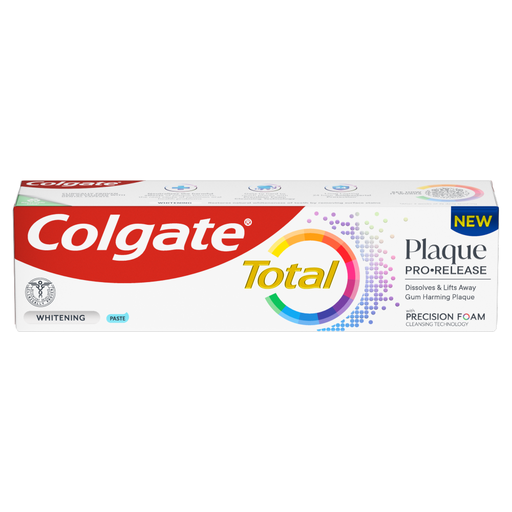
Why This Fits Their Persona: A straightforward 75ml toothpaste for shoppers wanting whitening as part of a broader daily plaque-care routine.
Its product information identifies plaque-focused cleansing and 1450 ppm fluoride, rather than presenting whitening as the only benefit.
75ml tube; contains sodium fluoride at a stated total fluoride level of 1450 ppm; designed for twice-daily brushing.
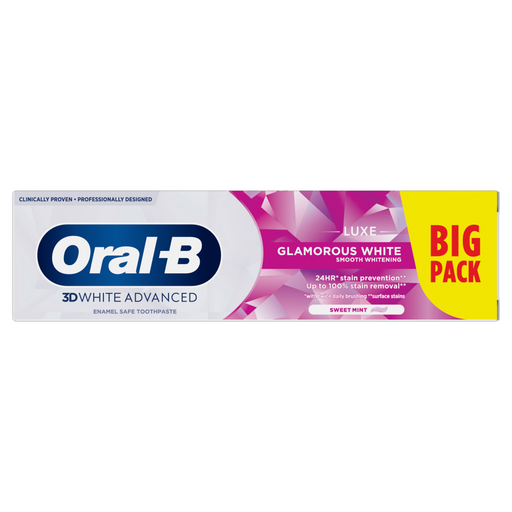
Why This Fits Their Persona: The larger 100ml format suits regular users who prioritise a dedicated whitening formulation and a fresh mint brushing experience.
The listing specifies surface-stain removal and fluoride rather than suggesting that brushing changes intrinsic tooth colour.
100ml format; contains sodium fluoride; includes hydrated silica and sodium hexametaphosphate in the ingredient list.
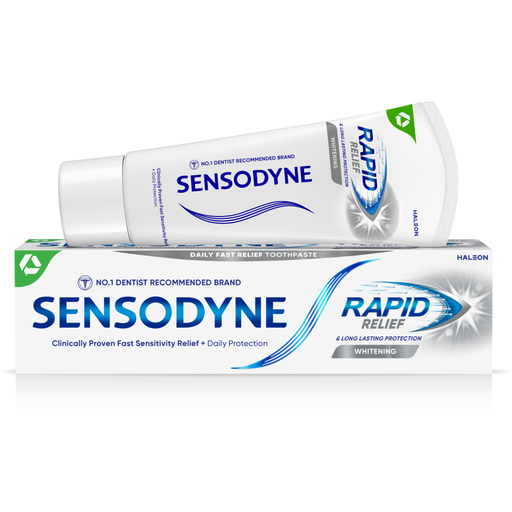
Why This Fits Their Persona: A focused option for adults who want daily whitening while sensitivity is a more important concern than maximum stain-polishing claims.
It is clearly positioned for sensitive teeth, helping shoppers avoid selecting a strongly whitening-led formulation that may not suit their needs.
75ml tube; contains stannous fluoride and sodium fluoride; listed total fluoride content is 1450 ppm.
A 75ml toothpaste is convenient for a standard bathroom routine or travel, while a 100ml toothpaste may offer better continuity for frequent users. Compare the price per 100ml rather than relying only on the tube’s shelf price.
Many products are formulated for daily brushing, but suitability depends on the ingredients and your teeth. Follow the directions on the packaging, avoid aggressive brushing and consider a sensitivity-focused option if discomfort develops.
It can help lift some surface stains through polishing and cleansing ingredients. It will not necessarily remove deeper or intrinsic discolouration. The visible result also depends on brushing consistency, diet and the nature of the stain.
Some formulations are specifically designed for sensitivity, such as Sensodyne whitening variants. Start by checking the label and using gentle brushing. If sensitivity persists, worsens or occurs alongside swelling, bleeding or pain, seek advice from a dentist rather than continuing to switch toothpaste.