
24/7 Customer Support

Free returns

Same-day & Next-day Delivery

Quality Guaranteed

Unlock Your Welcome Offers: FREE Delivery | Up to 80% OFF | Free 30-day JoyPlus trial
Download the APP
A teeth whitening toothpaste can help lift surface stains from coffee, tea, red wine and tobacco, but it cannot change the natural colour of your teeth in the same way as professional whitening. Choosing the right product means looking beyond bright packaging and dramatic claims.
The main shopping traps are easy to miss:
For most adults in the UK, a daily fluoride toothpaste containing around 1,350–1,500 parts per million (ppm) fluoride is a practical benchmark. Always check the packaging because formulas differ.
Fluoride supports cavity protection as part of regular brushing, but it does not make a whitening product suitable for every person. Children should follow the age guidance on the label, use an appropriate amount and brush under supervision where instructed.
The products listed here include formulas with 1,450 ppm fluoride, while the Colgate Total pump includes sodium fluoride and sodium monofluorophosphate. Check the current packaging for the exact fluoride declaration before use.
Most stain-removing toothpaste uses polishing or cleansing ingredients such as hydrated silica, pyrophosphates, perlite or bicarbonate of soda. These can help remove external marks from the tooth surface.
Look for wording that clearly describes the action as surface stain removal. Be cautious about expecting permanent whitening or a dramatic colour change from a daily toothpaste. If you have veneers, crowns or fillings, their shade will not normally change with toothpaste.
People searching for enamel-safe whitening toothpaste should also consider brushing technique. Use a soft-bristled brush, light pressure and two minutes of brushing twice a day. “Whitening” on the pack should not replace checking the ingredients or considering your own sensitivity.
A whitening toothpaste may also be designed for:
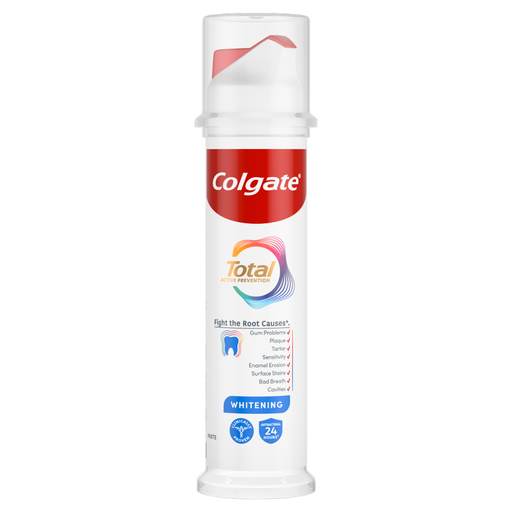
Why This Fits Their Persona: A 100ml pump format gives value-conscious households a convenient option for everyday brushing, with a mint flavour and cavity-care focus.
The larger 100ml size makes it easier to compare value, while the product description identifies cavity protection and plaque removal rather than promising deep shade changes.
100ml pump dispenser; mint flavour; includes fluoride ingredients for daily cavity-care use.
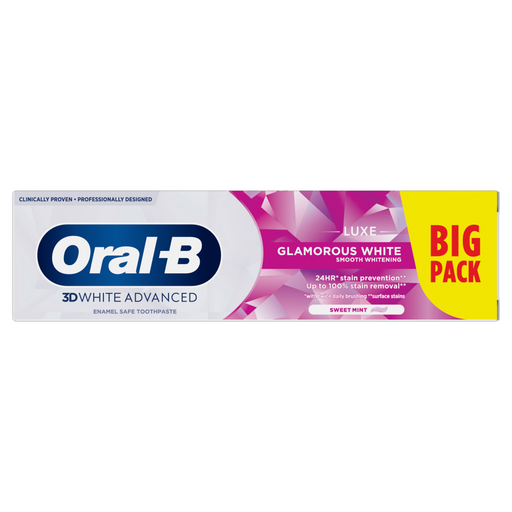
Why This Fits Their Persona: Suitable for shoppers wanting a larger daily whitening toothpaste with a sweet mint flavour and a formula focused on surface stain prevention.
Its product information separates surface stain removal from enamel support, helping shoppers understand what daily toothpaste can realistically do.
100ml tube; sodium fluoride at 1,450 ppm; includes hydrated silica and sodium hexametaphosphate.
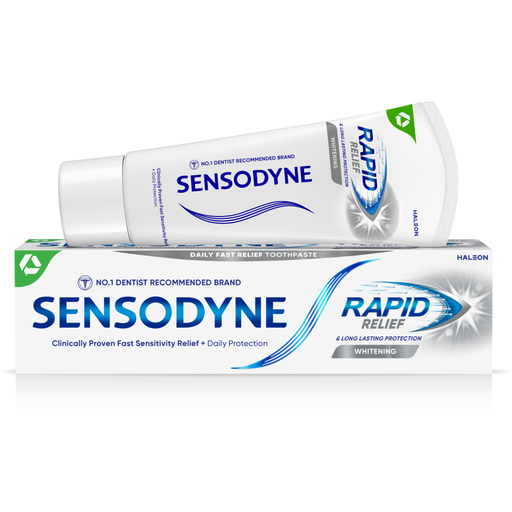
Why This Fits Their Persona: Designed for adults who want stain removal alongside a toothpaste for sensitive teeth, particularly when cold drinks or hot foods trigger discomfort.
It prioritises sensitivity care rather than relying only on a whitening claim, and the label advises dental consultation if symptoms continue or worsen.
Contains stannous and sodium fluoride with a total fluoride content of 1,450 ppm; includes hydrated silica for surface stain removal.
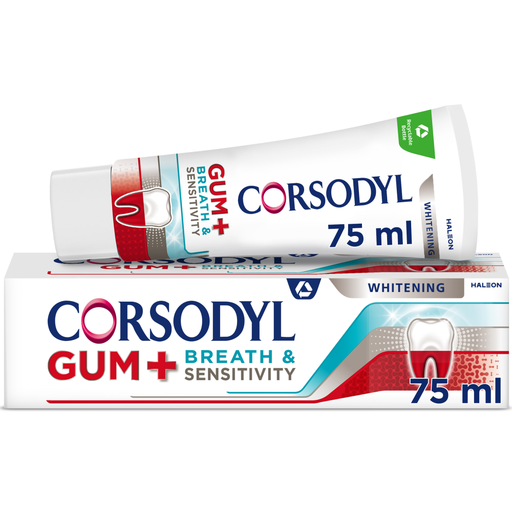
Why This Fits Their Persona: A practical match for shoppers concerned about gum sensitivity, breath freshness and surface stains in one twice-daily routine.
It is positioned around gum and sensitivity needs as well as whitening, so buyers do not have to select a purely cosmetic formula when gum care is the priority.
Contains sodium fluoride; whitening action is described as surface stain removal; mint flavour supports a fresh-mouth feel.
We have compiled a complete, real-time list of products that fully satisfy these strict selection criteria and UK safety regulations.
Many products are formulated for daily brushing, but suitability depends on the ingredients and your oral health. Choose a fluoride toothpaste, use gentle pressure and follow the label. If sensitivity develops, consider a dedicated sensitive formula or ask a dentist for advice.
Results depend on the type and amount of surface staining, brushing habits and the formula. Some products describe visible changes after repeated use, but whitening toothpaste generally removes external stains rather than changing the underlying tooth shade.
Some formulas combine stain removal with sensitivity ingredients, such as potassium nitrate or protective compounds. However, sensitivity can indicate an underlying dental problem. Stop using the product if irritation occurs and consult a dental professional if discomfort persists.