What should you check before choosing?
For a household supporting independent living, choose the alert route around the need that matters most, then confirm who can receive and act on its notifications.
| Concern |
What to check when buying |
Who this matters to |
| Who responds |
Confirm the first and backup contacts, who can attend, and how they could enter if needed. |
I want to know who will act if an alert comes through, not just where it is sent. Around 28% of consumers prioritise a dependable recipient and response. |
| Unable to press a button |
Check which falls the exact detector is designed to recognise, whether it has manual SOS and who receives its alerts. |
If the wearer might not be able to press a button, I want another way for an alert to be raised. Around 22% of consumers put that need first. |
| Events and routines at home |
Define the event to monitor, where the sensor will go, who receives notifications and who will review them. |
I need to know about a particular door opening or a change in a home routine, with someone available to interpret the notification. Around 17% of consumers prioritise home routines or specific events. |
| Alerts away from home |
Check the device’s operating area, connection requirements, coverage and charging needs for the places it will be used. |
If help might be needed beyond a home alarm’s operating area, I want to know whether the wearable can connect where it will be used. Around 17% of consumers prioritise alerts away from home. |
| Connection and ongoing costs |
Confirm the alarm’s connection and power arrangements, and check installation, subscription and cancellation terms. |
I need a connection that works in the home and a service arrangement I can keep up with. Around 16% of consumers put connection and continuing costs first. |
Joybuy product choices
These options cover home motion or door-and-window notifications and a wearable alert route. They do not replace an agreed response plan.
 No image available
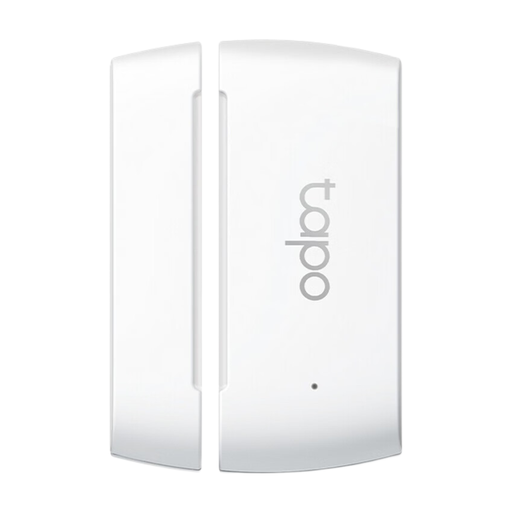
TP-Link Tapo T110 Door and Window Sensor
For a defined door or window event, the sensor is described as reporting opening and closing and sending notifications through the Tapo app.
A Tapo Hub is required for pairing and the smart alarm; it is sold separately.
View on Joybuy
 No image available
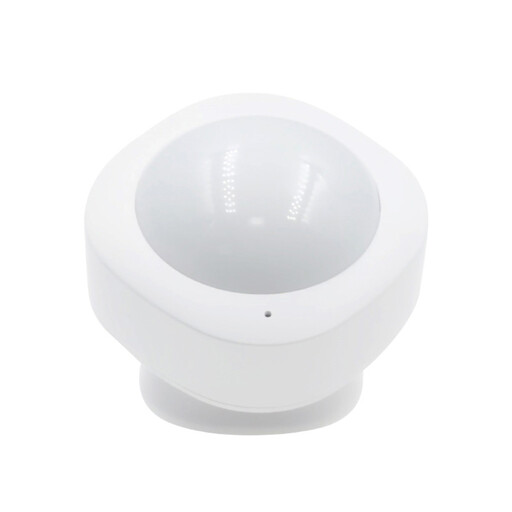
Rexsun RSH-MSO2 WiFi PIR Motion Sensor
For a selected area where motion notifications are useful, the product description identifies PIR-triggered app alerts.
The product name lists a 26.2 ft range and dimensions of 1.73×1.73×1.02 in. Check that 2.4GHz Wi-Fi is available; the stated power source is two CR123A batteries.
View on Joybuy
 No image available
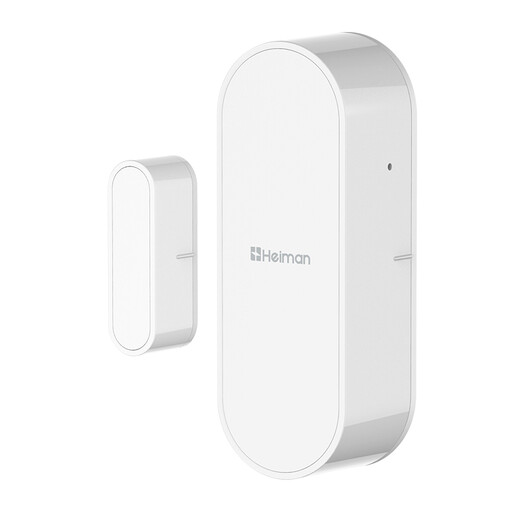
HEIMAN Wi-Fi Door/Window Sensor, Pack of 1
For a defined door or window event, this contact sensor is described as sending real-time push notifications to a smartphone.
Check that 2.4GHz Wi-Fi is available and plan for battery replacement when needed.
View on Joybuy
 No image available
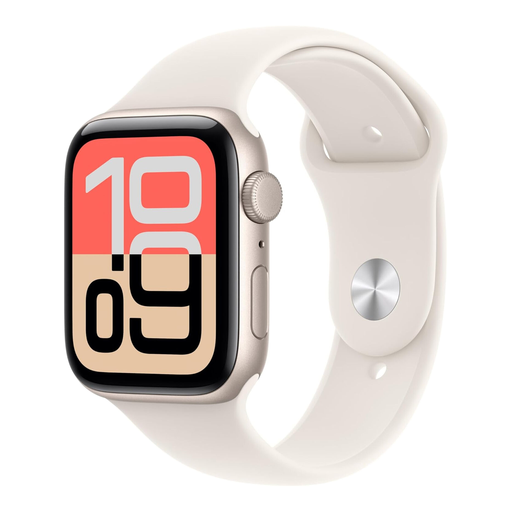
Apple Watch SE 3 GPS + Cellular 44mm Starlight Aluminium Case with Starlight Sport Band - M/L
For someone who wants a wrist-worn alert option as well as smartwatch functions, this listing identifies GPS + Cellular and Fall Detection.
Apple says Fall Detection cannot detect every fall; Apple lists up to 18 hours of normal-use battery life for SE 3. Emergency calling normally requires cellular connectivity or Wi-Fi Calling, and the watch is not a staffed telecare service.
View on Joybuy
Telecare questions answered
Will someone come to the home if a monitored alarm activates?
Not necessarily. A monitoring centre can contact nominated people or arrange other help, but establish separately who can attend and how they could enter if the wearer cannot open the door. NHS guidance identifies a key safe as one possible access arrangement, not a requirement for every household.
How should we set up and maintain a sensor system?
Follow the exact system’s instructions and test the intended notifications with their recipients. For Canary Care specifically, the maker describes placing its hub where Wi-Fi is strong and pairing sensors through its app; its terms also describe replacement batteries or contact strips as separate purchases.
Can the council supply telecare, and will VAT relief apply?
Some local authorities provide telecare, so ask the relevant adult social care service about provision and any assessment. HMRC says VAT zero-rating for an emergency alarm system is conditional on the product and recipient meeting the applicable requirements; age alone does not establish eligibility.
What UK privacy rule matters if we add a camera rather than a non-camera sensor?
The Information Commissioner’s Office says data protection law applies to a household camera if it captures another person’s property, a public area or communal space. This conditional guidance concerns cameras and should not be treated as a registration or licensing rule for non-camera sensors.
Will an existing landline alarm work after the household’s digital-phone change?
Do not assume it will. Ofcom advises telling the landline provider and device supplier before the change, then confirming the exact equipment and connection and arranging an appropriate service test. Ofcom’s 31 January 2027 date concerns BT Openreach’s planned retirement of its old network; other networks may have different schedules.


