
24/7 Customer Support

Free returns

Same-day & Next-day Delivery

Quality Guaranteed

Unlock Your Welcome Offers: FREE Delivery | Up to 80% OFF | Free 30-day JoyPlus trial
Download the APP
Your new iPhone or iPad is a significant investment, and keeping its pristine display free from damage is a top priority. However, the market for tempered glass screen protectors is filled with confusing claims and technical jargon. Choosing the wrong one can lead to wasted money, a frustrating installation process and a device that's less protected than you think.
As the Joybuy Product Recommendation Officer, my role is to help you navigate these choices. This guide will highlight the common pitfalls to avoid and clarify the essential features to look for, ensuring you select a protector that genuinely meets your needs.
Before you buy, be aware of these frequent marketing traps that can lead to a poor purchase:
To make an informed decision, focus on these three critical parameters.
While 9H hardness is a good baseline for an anti-scratch screen protector, the quality of the glass itself is paramount. Look for protectors made from high-grade aluminosilicate or lithium aluminosilicate glass, which undergo a double-ion exchange process. This chemical strengthening makes the glass more resistant to deep scratches and better able to absorb impact from accidental drops.
The primary purpose of a screen is to be looked at, so your protector shouldn't degrade the experience. An HD screen protector should have a light transmittance rate of over 92% to maintain the original brightness and colour fidelity of your device's display.
Equally important is the oleophobic coating screen protector. This is a microscopic, oil-repellent layer that resists fingerprints, smudges and facial oils, making the screen easier to clean and maintaining a smooth touch response. A high-quality coating will last for months, whereas cheaper versions can wear off in just a few weeks.
A premium piece of glass is useless if it's applied incorrectly. An easy installation screen protector is not just a marketing term; it refers to the inclusion of specific tools that guarantee a precise fit. Look for kits that include an alignment frame that clips onto your device, comprehensive cleaning wipes, a dust-absorber sticker and a squeegee. Some advanced kits even come with a "dust-free chamber" to ensure a flawless application.
Based on these practical criteria, here are some recommendations matched to different user needs.
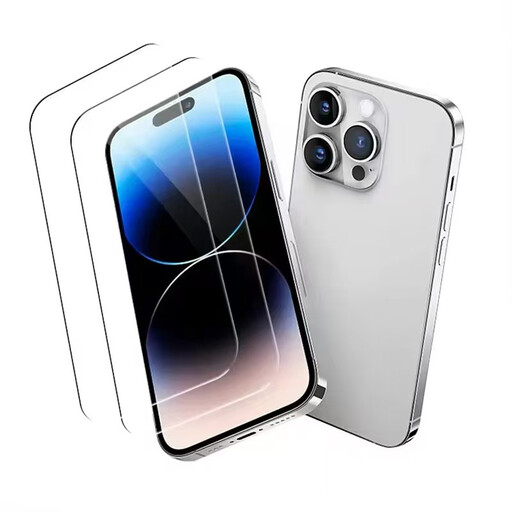
Why This Fits Their Persona: Ideal for anyone using their iPhone on trains, buses or in busy offices. This privacy screen protector shields sensitive information like messages and passwords from being viewed by those nearby.
It moves beyond the generic "9H hardness" claim by offering a specific, valuable function. The privacy filter darkens the screen when viewed from an angle, a tangible benefit for users in public spaces.
Provides 360-degree privacy protection while maintaining full touch sensitivity. It also includes anti-blue light and anti-fingerprint coatings.
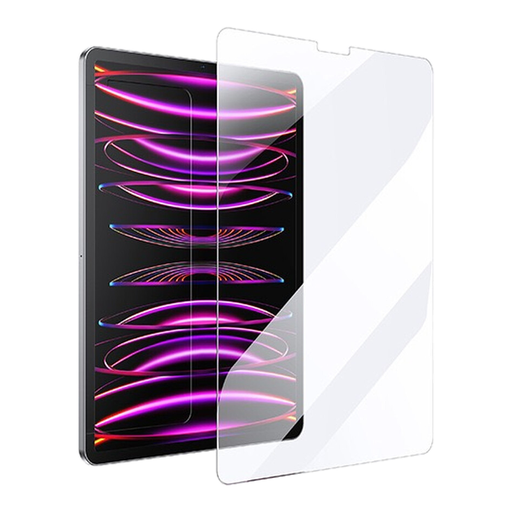
Why This Fits Their Persona: For artists, designers and photographers, an iPad screen protector must be invisible. It needs to preserve colour accuracy and provide a smooth surface for an Apple Pencil without any lag.
This protector avoids the trap of degrading the visual experience. It focuses on 100% transparency and HD clarity, ensuring the vibrant Liquid Retina display is not compromised.
Its ultra-thin design maintains full touch sensitivity for precision tasks. The nano anti-oil technology keeps the screen clean from smudges during long creative sessions.
Why This Fits Their Persona: For the user whose main concern is a perfect, dust-free application. This is for anyone who has previously struggled with bubbles and misalignment and wants to get it right the first time.
It directly solves the "bubble-free promise" pitfall. Instead of just making a claim, it provides an innovative tool—the dust-free chamber—to deliver on that promise reliably.
The all-in-one installation box ensures precise alignment and eliminates dust particles, making it a genuinely easy installation screen protector for a flawless finish.
We have compiled a complete, real-time list of products that fully satisfy these strict selection criteria and UK safety regulations.
A high-quality, ultra-thin tempered glass protector that is installed correctly should not interfere with touch sensitivity, Face ID or front-camera performance. Look for protectors that are specifically advertised as being fully compatible with your device's biometric sensors and have precise cutouts.
A case friendly screen protector will be cut slightly smaller than the full dimensions of the screen. This leaves a small gap around the perimeter, allowing the lip of a phone case to grip the device without touching the edge of the glass. Product descriptions often state this feature explicitly. If you use a rugged, heavy-duty case, this is a particularly important feature to look for.
A standard HD screen protector is designed for maximum transparency from all viewing angles, aiming to be as invisible as possible. A privacy screen protector contains an additional layer that limits the viewing angle. This means the screen appears clear when you look at it directly, but it becomes dark or obscured when viewed from the side, protecting your on-screen information from others.