
24/7 Customer Support

Free returns

Same-day & Next-day Delivery

Quality Guaranteed

Unlock Your Welcome Offers: FREE Delivery | Up to 80% OFF | Free 30-day JoyPlus trial
Download the APP
A light, crisp coating can turn prawns, vegetables or chicken into a satisfying Japanese-style meal. However, choosing a tempura batter mix is not simply a matter of picking the largest bag or the product with the most appealing packaging. UK shoppers also need to consider allergens, cooking methods, storage and whether they want a dry mix or a ready-prepared frozen option.
The following guide highlights common buying traps and the practical specifications worth checking before you order.
A packet of tempura powder or tempura flour needs to be mixed with water and used to coat raw ingredients. It is not ready to eat. By contrast, frozen tempura prawns or battered chicken are already coated, but may still contain raw seafood or meat and require thorough cooking.
Always check whether the product is:
Terms such as “crispy tempura mix” describe the intended texture, not a guaranteed result in every kitchen. Batter consistency, oil temperature, ingredient moisture and frying time all affect the finish.
A very thick batter may produce a heavier coating, while excess water on prawns or vegetables can cause spluttering and uneven adhesion. Look for clear mixing instructions, including the recommended water quantity and cooking temperature.
Most tempura flour contains wheat or gluten, while some recipes also include soya, egg or milk ingredients. Ready-prepared seafood products can contain crustaceans, and noodle products may include fish, cuttlefish, soya and egg.
In the UK, check the current pack label before purchase, particularly if cooking for children, guests or anyone with a food allergy. Ingredients and allergen declarations can change, so the packaging should take priority over online descriptions.
A useful starting point is the stated ratio of powder to cold water. For example, several listed mixes use approximately 100g of powder with 150–160ml of cold water. Other products allow 150–180ml, giving you room to adjust the thickness for different ingredients.
Ingredients such as wheat flour, corn starch, potato starch, rice flour and raising agents are commonly used in a vegetable tempura batter or prawn tempura batter.
Pack size should match how often you cook tempura. A 100g or 150g pack may suit a couple or an occasional meal, while 500g or 700g packs are more practical for families, batch cooking or catering.
Check the preparation guidance rather than judging value solely by weight. A 200g pack may be divided into two 100g portions, while a larger food-service bag can be more economical for regular use but needs careful resealing in a cool, dry cupboard.
Dry mixes generally need to be stored away from moisture and direct sunlight. Once prepared, the batter should be used promptly. Frozen products usually require storage at -18°C or below and should not be refrozen after thawing.
For deep frying, many products specify oil between 170°C and 180°C. Use a thermometer where possible, avoid overcrowding the pan and follow the individual cooking instructions. Hot oil can cause serious burns, so keep handles turned inwards and never leave the pan unattended.
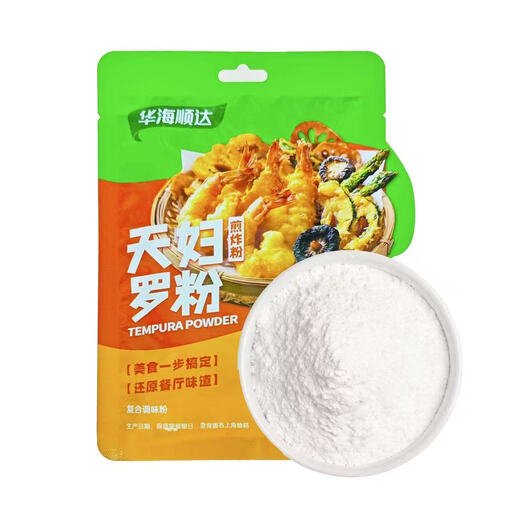
Why This Fits Their Persona: A compact pack for trying homemade tempura without committing to a large cupboard staple. The instructions cover vegetables, seafood and other ingredients.
The 100g size reduces leftover mix, while its stated 150–180ml water range makes the batter easier to adjust.
Includes wheat and egg in its allergen information; sparkling water is suggested as an optional preparation ingredient.
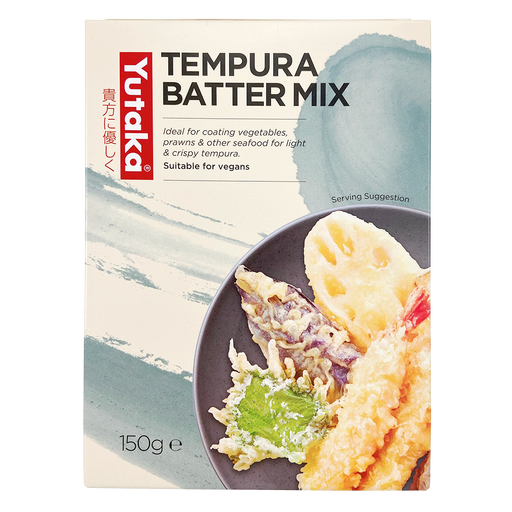
Why This Fits Their Persona: Suitable for home cooks seeking a Japanese-style mix with wheat flour, potato starch and rice flour in a measured 150g pack.
The listed 100g-to-150ml ratio and 180°C frying guidance give a clear starting point instead of vague preparation advice.
Contains wheat and soya; the pack is made in Japan and is designed for seafood, vegetables and meat.
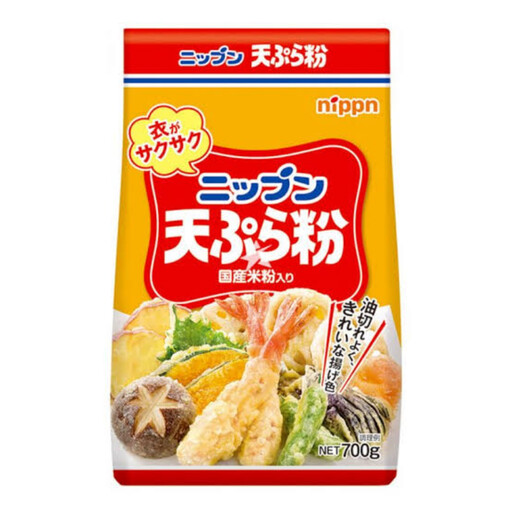
Why This Fits Their Persona: The larger pack is suited to frequent family cooking, repeated seafood tempura batches or small food-service preparation.
The ingredient list is available for checking before purchase, and the dry powder can be resealed between uses.
700g net weight; contains wheat and soya, with rice flour and raising agents listed in the formulation.
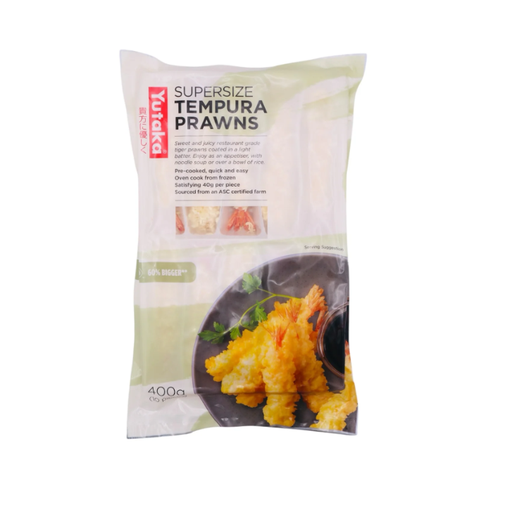
Why This Fits Their Persona: Ten pre-battered frozen prawns provide a straightforward option when mixing batter and preparing seafood from scratch is not practical.
It is clearly identified as frozen and contains 40% prawn, helping shoppers distinguish it from a dry seafood tempura mix.
10-piece, 400g pack; can be cooked from frozen and must be stored at -18°C or below.
For shoppers who prefer convenience, frozen options such as ASC Seahawk Tempura Battered King Prawns 500g and THAI STAR Tempura Battered King Prawns 500g offer alternative cooking methods, including frying and, depending on the product, oven or air-fryer preparation. Check each product page for precise instructions and allergen information.
We have compiled a complete, real-time list of products that fully satisfy these strict selection criteria and UK safety regulations.
Many products begin at around 100g powder to 150–160ml cold water, although some allow up to 180ml. Follow the pack directions and adjust slightly according to whether you are coating prawns, vegetables or meat.
Dry batter is normally intended for deep frying, and loose wet batter can drip through an air-fryer basket. For air-fryer cooking, choose a frozen product whose packaging specifically provides air-fryer instructions, such as a suitable frozen tempura prawn product.
The exact shelf life varies by product and is shown on the packaging. Store unopened dry mix in a cool, dry place, then seal it tightly after opening. Frozen tempura products should remain at -18°C or below and must not be refrozen once thawed.