
24/7 全天候客户支持

免费退货

当日/次日达

品质保障

开启新人专享福利: 全场免邮 | 低至 2 折 | 免费试用 30 天 JoyPlus 会员
下载 Joybuy
Buying TENA incontinence pads and pants is not simply a matter of choosing the largest pack or the highest absorbency label. The right option depends on the type of leakage, body shape, activity level, fit and how long you expect to wear it.
Whether you are shopping for yourself, a partner, a parent or someone in your care, understanding the differences between liners, pads and pull-up pants can help prevent discomfort, leaks and unnecessary spending.
Regular panty liners are designed mainly for menstrual discharge and everyday freshness. They may not contain the absorbent core, leakage barriers or odour-control features needed for bladder weakness. A light bladder leak pad can look similarly thin but is specifically shaped and constructed to absorb urine.
A highly absorbent product can still leak if it is too loose, too short or poorly positioned. Pull-up pants need a close fit around the waist and legs, while pads need to sit centrally inside suitable underwear. Check the manufacturer’s size guide rather than relying only on clothing size.
Daytime pads and liners may not provide enough coverage when lying down or moving during sleep. Overnight incontinence pads generally have a longer shape and additional protection towards the back. Pants designed for day and night use may be more practical for people who experience heavier or less predictable leakage.
Think about when leakage occurs and how much protection is needed:
Absorbency labels are not always directly comparable between ranges. Use the product description, dimensions and intended level of protection together.
Length matters because leakage can occur towards the front, centre or back depending on anatomy and movement. For example, the TENA Lights Liner measures 15cm, while the TENA Lights Long Liner measures 21cm and remains approximately 3mm thin according to the supplied product details.
Look for elasticated sides, leakage barriers, adhesive strips and a shaped absorbent core. Men’s pads are usually anatomically shaped for the male body, while women’s pads often use a contoured design that follows the shape of underwear.
For sensitive skin incontinence pads, consider fragrance-free and dye-free materials, a breathable topsheet and a soft surface. Several listed TENA products are described as dermatologically tested and perfume-free or free from fragrances and dyes. If redness, soreness or irritation occurs, stop using the product and seek advice from a healthcare professional.
Change pads and pants regularly according to the packaging instructions and personal needs. No disposable product should be flushed. Wrap used items and place them in household waste or a suitable sanitary bin.
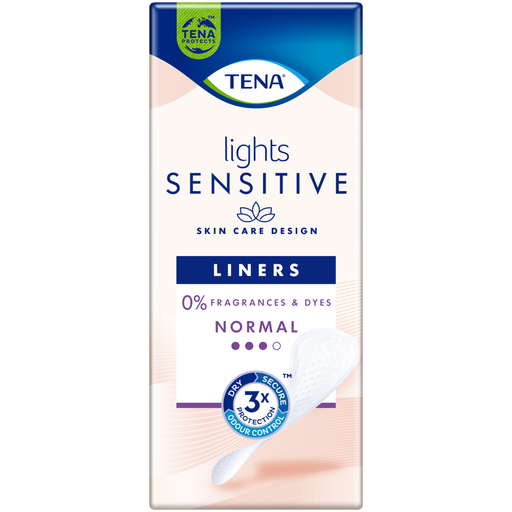
Why This Fits Their Persona: A practical starting point for very light bladder weakness, including occasional leaks during daily activities, menopause or pregnancy-related changes.
It is described as more absorbent than a regular panty liner, helping shoppers avoid substituting menstrual liners for bladder-leak protection.
19cm length, approximately 3mm thickness, breathable soft topsheet and no fragrance or dyes according to the listing.
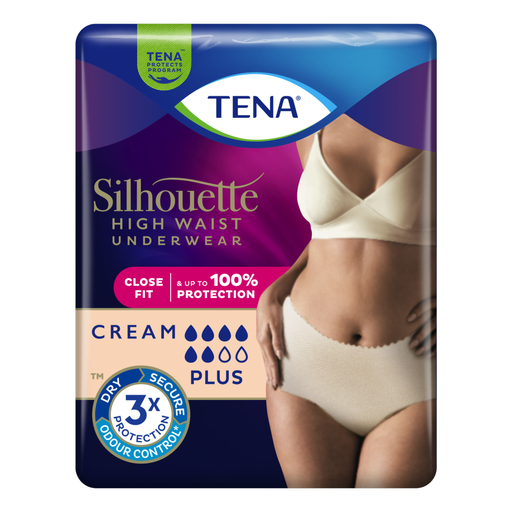
Why This Fits Their Persona: Suitable for women who prefer pull-up protection with a body-close shape and an underwear-style appearance for work, errands or social occasions.
The pull-up format reduces reliance on adhesive placement, while the micro-stretch fabric is designed to stay close to the body during movement.
High-waist styling, breathable stretch fabric, perfume-free construction and a 3D absorption zone listed for moderate to heavy leakage.
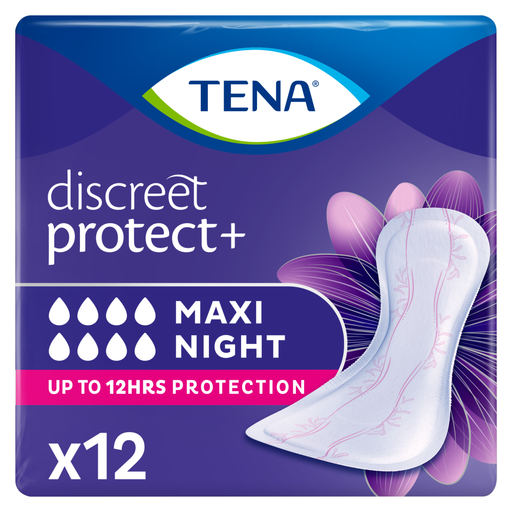
Why This Fits Their Persona: Intended for shoppers seeking overnight incontinence pads for heavy or unexpected urine leaks while lying down.
It is specifically listed for night-time use with lie-down protection, rather than relying on a standard daytime pad.
Soft non-woven topsheet, absorbent core with superabsorbent polymers and a design intended for overnight coverage.
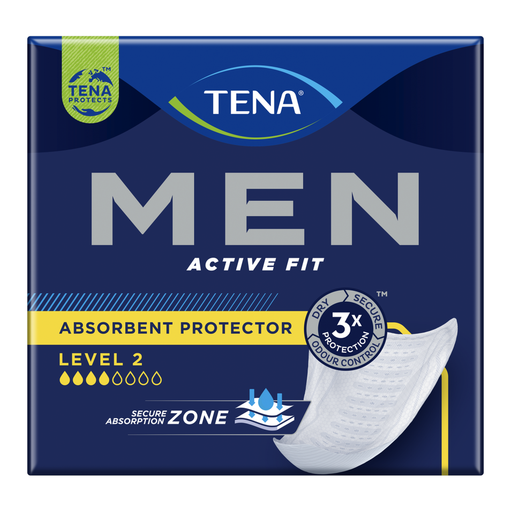
Why This Fits Their Persona: A discreet option for men who want targeted protection inside their own underwear during commuting, work, exercise or daily activities.
Its anatomical cup shape and adhesive strip address the common problems of generic pads shifting or sitting in the wrong position.
The listing specifies a 4mm-thin design, individually wrapped pads, an adhesive strip and a male-specific absorbent zone.
We have compiled a complete, real-time list of products that fully satisfy these strict selection criteria and UK safety regulations.
Compare the cost per pad or pant, not only the pack price. A larger pack may offer a lower unit cost, but only if the absorbency and fit match the user’s needs. Keep a small supply in a handbag, car or work bag, while storing unopened packs in a cool, dry place.
For carers, record which size and absorbency level works during different parts of the day. This can make repeat purchases easier and reduce unsuitable products. If leakage remains frequent despite correct positioning and regular changes, consider moving to a higher coverage format or speaking with a healthcare professional.
Wear time depends on leakage volume, activity and the specific product instructions. Some listings advise changing every four to six hours, while others specify four to eight hours or changing as needed. Do not exceed the stated maximum wear time, and change sooner if the pad feels wet or uncomfortable.
Some pull-up pants, including TENA Silhouette products and TENA Protect+ products, are listed for day and night use. For heavy unexpected leakage while lying down, a product specifically described as an overnight pad may provide a more appropriate coverage pattern.
Choose the lightest suitable absorbency rather than automatically buying a heavier product, compare unit prices and consider duo or larger packs for regular use. Avoid compromising on fit, however: repeated leaks can increase consumption and make a cheaper pack less economical overall.