For any serious tennis player, the path to improvement is paved with repetition. Hitting thousands of balls is non-negotiable, but finding a consistent, willing practice partner who can feed you the exact shot you need to work on, over and over, is a significant challenge. This is where a tennis ball machine becomes an invaluable training asset, acting as a tireless partner dedicated solely to your development.
However, the market is filled with options, from simple launchers to sophisticated AI-driven systems. This guide is designed to help you understand the key features to look for and to highlight some noteworthy options available in 2026, enabling you to make an informed choice for your training needs.
How to Choose a Tennis Training Machine
Selecting the right tennis practice machine depends on your specific goals. Before you decide, consider these crucial factors.
1. Drill Versatility and Customisation
A basic machine might only send balls in a straight line. For serious practice, you need more. Look for features like:
- Oscillation: Does the machine offer horizontal (side-to-side) and vertical (depth) oscillation? Random oscillation is excellent for improving reaction time and footwork, simulating real match-play.
- Spin Control: The ability to adjust between topspin, backspin (slice) and flat shots is essential for preparing you for different opponent styles.
- Programmable Drills: Advanced models, often called a tennis robot, allow you to create and save custom drill sequences. This means you can programme a session that, for example, alternates a deep topspin forehand with a short slice backhand, targeting specific patterns you want to master.
2. Power, Portability and Capacity
Consider the practicalities of using the machine on your local courts.
- Power Source: Is it battery-powered or does it require a mains connection? A battery-powered model offers far more flexibility, but you must check the battery life to ensure it can last for your typical session length.
- Portability: Look at the machine's weight, handle design and wheel size. You will be transporting it from your car to the court, so ease of movement is important.
- Ball Capacity: A higher ball capacity (e.g., 150+ balls) means less time spent collecting balls and more time hitting them, maximising the efficiency of your practice.
3. Advanced Analytics and AI Coaching
The latest evolution in this category is the AI tennis coach. These high-end systems integrate cameras and intelligent software to provide feedback on your technique. An automatic tennis ball launcher with this capability can record your strokes and offer data-driven insights on your form, footwork and shot execution. For players who are serious about technical refinement, this feature can accelerate improvement significantly.
Top Tennis Training Equipment Picks
Based on their features and intended use, here are a few options to consider for your training regimen.
TENNIIX Smart Tennis Training Kit: Serve + AI Camera
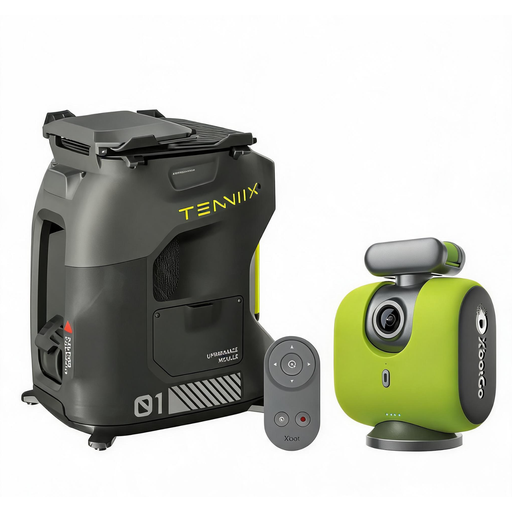
- Why It Stands Out: This is more than just a ball machine; it's a comprehensive training system. The integration of a powerful tennis serve machine with an AI-powered camera provides a level of analysis typically reserved for elite performance centres. It doesn't just feed you balls—it watches and helps you understand your own game.
- Pros:
- Integrated AI camera provides visual and data analysis on form and stroke mechanics.
- Replicates a wide variety of serves, including flat, topspin and slice.
- Advanced oscillation feature ensures varied, match-like practice.
- Functions as an all-in-one analytical tool and ball launcher.
- Who is it for? Dedicated players and coaches who want to use data to identify and correct technical flaws, particularly in their return game.
TENNIIX 100-Point Smart Coach
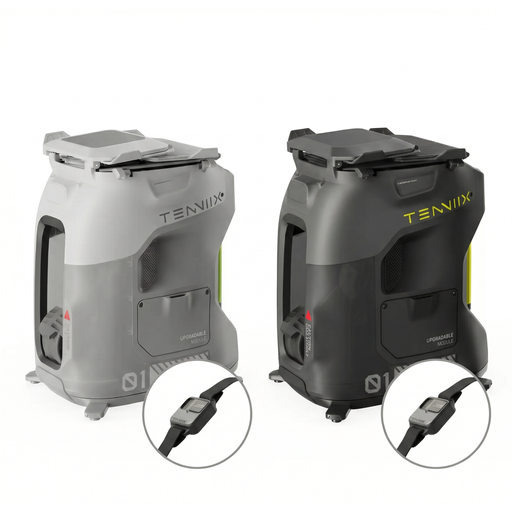
- Why It Stands Out: The defining feature of this tennis robot is its precision. The 100-point placement control allows you to programme shots to virtually any spot on the court with remarkable accuracy. This is the ultimate tool for grooving strokes and perfecting footwork patterns through targeted, repeatable drills.
- Pros:
- Highly precise 100-point ball placement for targeted drilling.
- Allows for the creation of complex, custom drill sequences.
- Consistent and reliable performance for structured practice sessions.
- Suitable for all levels, from beginners mastering consistency to advanced players refining accuracy.
- Who is it for? Players, coaches and clubs who prioritise structured, repeatable drills to improve shot placement, consistency and strategic play.
For the Next Generation: Hy-Pro Junior Tennis Racket Set
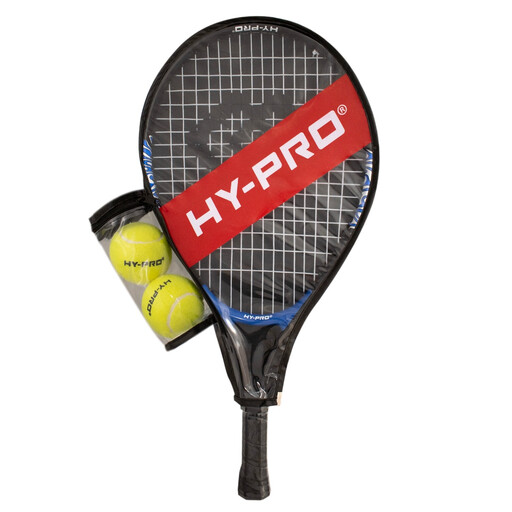
- Why It Stands Out: While not a machine, this product serves an important purpose. For coaches or parents training with younger players, having the right entry-level equipment is key. This set provides a purpose-built solution for juniors, with a focus on ease of use and building confidence from the very first hit.
- Pros:
- Lightweight 19-inch aluminium frame is easy for young players to handle.
- Comes as a complete set with two balls and a carry bag.
- The comfortable grip is designed to support skill development.
- Who is it for? Junior players beginning their tennis journey, and families or coaches looking for an affordable, appropriate starter kit to introduce children to the sport.
Exploring Other Racket Sports?
While perfecting your tennis game is a rewarding pursuit, many players are also discovering the fast-paced, social world of padel. If you're curious about this growing sport or looking to gear up, explore our curated selection of padel supplies.
Frequently Asked Questions
1. Is a tennis ball machine worth it for improving your game?
For players serious about improvement, a ball machine is an excellent investment. It offers a level of consistency and repetition that is difficult to achieve with a human partner. It allows you to isolate and drill weaknesses, practise at a high volume, and build muscle memory for key strokes without interruption.
2. How much does a good tennis robot cost in the UK?
The price can vary significantly. Entry-level machines with basic functions may cost a few hundred pounds. More advanced models with features like programmable drills, spin variation, and higher ball capacity can range from one to several thousand pounds. Systems that include an AI tennis coach and video analysis represent the top end of the market, reflecting their status as comprehensive training tools.
3. Can a tennis serve machine truly replicate a human serve?
Modern machines can replicate the speed, spin and placement of various serves with a high degree of accuracy. They are exceptional tools for practising your return and improving your technical response to different types of balls. However, they cannot replicate the subtle visual cues, service motions or psychological elements of facing a human opponent. They are best used for technical refinement rather than tactical match simulation.


