
24/7 Customer Support

Free returns

Same-day & Next-day Delivery

Quality Guaranteed

Unlock Your Welcome Offers: FREE Delivery | Up to 80% OFF | Free 30-day JoyPlus trial
Download the APP
Sweet, savoury and rich in umami, teriyaki products make it easier to prepare Japanese-inspired food at home. However, choosing the right item is not simply a matter of picking the most attractive label. A sauce, noodle pot, frozen bao bun and ready meal serve very different purposes.
Before buying, UK shoppers should look beyond phrases such as “restaurant-style” or “authentic flavour”. Check the ingredient list, allergen information, storage requirements and preparation method to avoid paying for a product that does not suit your kitchen, diet or schedule.
A teriyaki sauce may be designed for dipping or drizzling, while a teriyaki marinade is intended to coat ingredients before cooking. These products can have different thicknesses, sugar levels and salt content. A thin marinade may not provide the glossy finish expected from a glaze, while a thick sauce may burn if added too early during grilling.
Soya sauce commonly contains soya and wheat, while noodles may also contain egg, celery or other allergens. Some products contain sesame, mustard, fish, shellfish or alcohol-containing ingredients. Always read the current packaging rather than relying only on a product title or food photography.
Frozen teriyaki chicken bao buns require freezer storage and thorough cooking. Chilled onigiri has a shorter storage window than an ambient noodle pot. Instant teriyaki noodles are convenient, but they are not interchangeable with a complete meal. Check whether you have access to a microwave, boiling water, oven or freezer before ordering.
Traditional Japanese teriyaki-style flavour usually combines sweet and savoury notes, often using soya sauce, sugar and seasonings such as ginger or garlic. A sauce with mirin, fruit or honey may taste sweeter, while a marinade based on soya sauce may provide a saltier, deeper flavour.
For cooking, look for a product that matches your intended use:
Under UK food labelling rules, specified allergens must be emphasised in the ingredients list. For teriyaki products, check for soya, wheat, sesame, celery, egg, mustard, fish and molluscs. “May contain” statements indicate a possible cross-contact risk and should not be ignored.
Vegetarian or vegan suitability also varies. A vegetable noodle meal may be suitable for vegetarians, but a sauce can still contain fish-derived ingredients or other animal products. If you have an allergy or follow a restricted diet, check the label on delivery because formulations can change.
Teriyaki flavours often include sugar and soya sauce, so compare sugars and salt per 100g or 100ml. A sauce is usually used in smaller quantities than a ready meal, making the serving size particularly important.
Also check:
The following options illustrate how different teriyaki products can match distinct UK shopping needs.
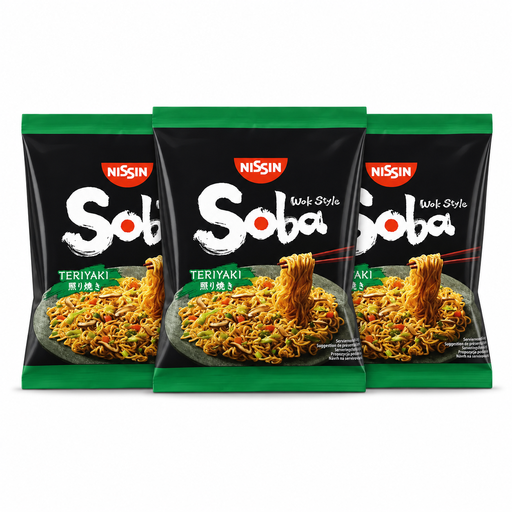
Why This Fits Their Persona: A multipack gives students, flat-sharers and first-time buyers several quick servings for cupboard storage. The noodles are prepared with boiling water and paired with a seasoning sauce.
The bag format and stated preparation method make its use clear, while the multipack reduces the need to buy individual portions repeatedly.
Three 110g packs; store in a cool, dry place; contains wheat, soya and celery.
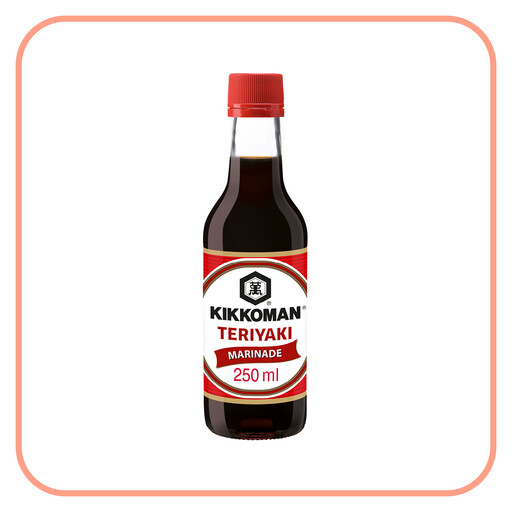
Why This Fits Their Persona: Suitable for shoppers who want one bottle for barbecues, stir-fries, grilled vegetables or dipping. It uses soya sauce as its base and is ready to use.
Its stated uses distinguish it from a simple table condiment, helping buyers select a product for pre-cooking flavouring and stir-fry use.
250ml bottle; suitable for meat, vegetables and seafood; refrigerate after opening; contains soya and wheat.
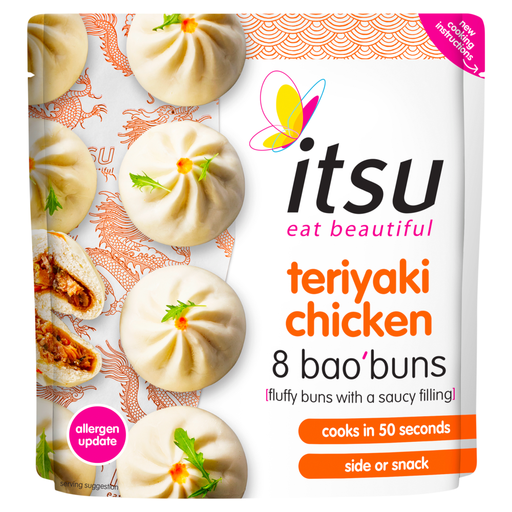
Why This Fits Their Persona: A practical freezer option for busy households, quick lunches and sharing platters. The product description states microwave preparation in 50 seconds.
The frozen format clearly signals the required storage method, and the preparation instructions set realistic expectations for convenience.
256g pack; microwave preparation; contains sesame, soya and wheat; keep frozen and cook thoroughly.
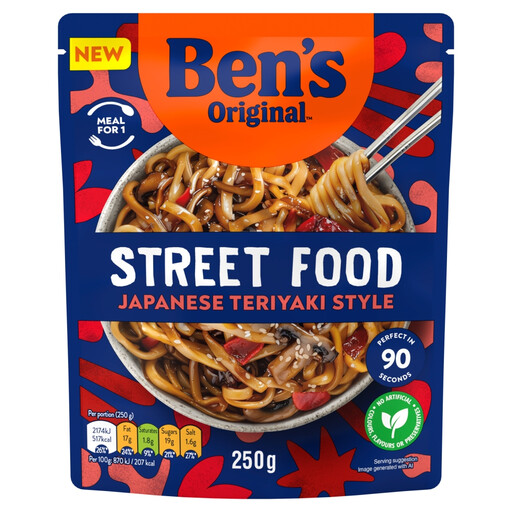
Why This Fits Their Persona: An ambient, vegetarian-friendly noodle meal designed for quick preparation at work or home, with microwave cooking stated at 90 seconds.
Its ambient storage removes the freezer-planning issue, while the 250g portion is clearly presented as a single convenient meal.
Ready in 90 seconds; suitable for vegetarians; store at room temperature; contains soya and wheat.
We have compiled a complete, real-time list of products that fully satisfy these strict selection criteria and UK safety regulations.
For a quick Japanese teriyaki meal, combine instant teriyaki noodles with spring onions, steamed vegetables or a cooked protein. When using teriyaki marinade, coat ingredients for at least the time stated on the label and cook meat thoroughly. Add thick sauces towards the end of grilling or frying to reduce the chance of scorching.
Teriyaki ready meals are convenient for portioned lunches, while teriyaki bao buns and onigiri work well as snacks or light meals. For a wider Asian grocery basket, compare sauces, noodles and Japanese snacks together so that one delivery covers several meal occasions.
Some are, but not all. Check the ingredients and the product’s dietary statement. Ben’s Original Street Food Japanese Teriyaki Noodles are described as suitable for vegetarians, whereas chicken bao buns and beef teriyaki meals contain meat.
Many bottled sauces and marinades should be refrigerated after opening. For example, Kikkoman Teriyaki Marinade advises refrigeration after opening. Always follow the storage instructions printed on the packaging.
Microwaveable ready meals and frozen bao buns can be prepared quickly when you have a suitable appliance. Instant teriyaki noodles generally require boiling water and a short standing time. Preparation times vary, so check the product instructions before buying for work or travel.