What matters when choosing a camera?
For a folded-textile portfolio, decide how you will keep colour consistent, how small a detail each image must show and how easily you can repeat the camera position and lighting.
| Concern |
What to check |
Who this matters to |
| Colour consistency |
Confirm RAW photo recording if you intend to edit files, and plan consistent lighting with a physical textile reference. |
If colourways need to look consistent across portfolio images, I want an editable file and a way to compare it with the actual fabric. Around 42% of consumers would put colour consistency first. |
| Weave and pattern detail |
Check the exact lens’s minimum-focus distance and maximum magnification against the smallest detail you need to frame. |
When weave, stitching or a small repeat needs its own close-up, I cannot rely on a crop of the whole folded piece. Showing that detail would be the first concern for around 33% of consumers. |
| Repeatable tabletop setup |
Check screen positioning, the body-versus-kit contents and whether your support can hold the same camera angle between shoots. |
If I photograph new colourways regularly, I want to set the camera up at the same table without rebuilding every shot. A straightforward repeatable setup would lead the choice for around 25% of consumers. |
Joybuy cameras for textile portfolios
These interchangeable-lens cameras are options for a dedicated folded-textile setup. Compare the exact kit contents and lens before choosing: the camera body alone cannot determine how closely you can photograph a weave or how consistently colour will appear.
 No image available
Sony Alpha ZV-E10 II K with 16–50mm Power Zoom lens
Consider this APS-C interchangeable-lens kit if you want a dedicated camera for folded-item views and may choose another lens for close details later.
The title specifies 26 megapixels and a 16–50mm f/3.5–5.6 Power Zoom kit lens. Check that lens’s close-focus distance and magnification against the detail you need to show.
View on Joybuy
 No image available
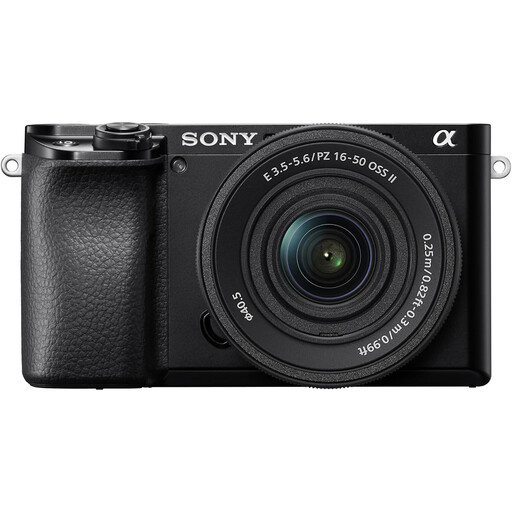
Sony A6400 with 16–50mm Power Zoom lens
This APS-C camera kit is an option for photographing complete folded pieces before deciding whether you need a lens for closer weave or stitch views.
The product title specifies a 16–50mm Power Zoom lens. Check the exact included lens’s minimum-focus distance and maximum magnification for your close-up shots.
View on Joybuy
 No image available
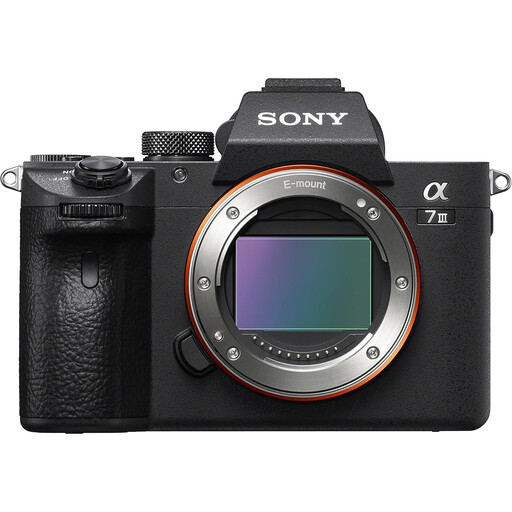
Sony Alpha 7 III full-frame camera, listed as body only
Consider this camera for textile stills only after deciding which lens and package will meet your framing needs.
The title says body only, while the description mentions an included 28–70mm lens. Confirm the exact contents before ordering; lens suitability for close textile detail needs a separate check.
View on Joybuy
 No image available
Sony A6700 with 16–50mm lens
This APS-C lens kit is an option for a fixed tabletop setup, provided its photo file formats and lens suit the way you plan to make portfolio images.
The title specifies a 16–50mm lens. If RAW editing or small texture close-ups matter to you, confirm the camera’s still-photo formats and the included lens’s close-focus specifications.
View on Joybuy
 No image available
Sony A6100 APS-C camera with zoom lens
A zoom-lens kit could cover full folded-item views while you work out whether your portfolio needs a separate close-detail lens.
The title names a 16–55mm lens, but the description names a 16–50mm lens. Confirm which lens is supplied, its close-focus specifications and the camera’s still-photo formats if you intend to edit RAW files.
View on Joybuy
Questions about textile portfolio photography
Do I need a full-frame camera for folded textiles?
Not necessarily: an APS-C camera can be considered for a controlled folded-textile setup without choosing full-frame solely for its sensor size. Canon UK, Sony UK and FUJIFILM X Series UK specify APS-C models with 24.2MP or 26.1MP sensors; whichever body you consider, check the lens, lighting and physical colour-reference workflow against the images you need.
Should I buy a macro lens straight away?
Only make a closer-focusing lens part of the initial purchase if the supplied lens cannot frame the smallest weave, fibre, stitch or repeat your portfolio needs. Decide on that detail first, then compare the exact lens’s minimum-focus distance and maximum magnification.
Why photograph both the whole folded piece and a close-up?
The two views show different information: the full image presents the folded form, while a close-up can show weave, stitching or surface texture. Photograph My Product distinguishes overall textile views from detail images; keeping the same shot list for each colourway also makes your portfolio easier to compare.
Can I put someone else’s photograph in my UK craft portfolio?
Do not assume you can use it without permission. The UK Intellectual Property Office says photographs and other images are generally protected by copyright, and copying or sharing them will usually require the owner’s permission; use your own photographs or establish the necessary permission before publishing a third-party image.
What should I confirm before ordering a camera kit?
Confirm the exact camera-and-lens package, any accessories you need and the seller’s stated warranty and returns terms. For textile close-ups, check the included lens rather than assuming that another bundle with the same camera body contains the same lens.


