
24/7 Customer Support

Free returns

Same-day & Next-day Delivery

Quality Guaranteed

Unlock Your Welcome Offers: FREE Delivery | Up to 80% OFF | Free 30-day JoyPlus trial
Download the APP
A flat, painted wall serves its purpose, but adding texture can completely transform a room, introducing depth, character and a sense of considered design. Textured wallpaper offers a practical way to achieve this, moving beyond simple colour to create a tactile and visually engaging space. Whether you're planning a dramatic accent wall or a subtle, room-encompassing finish, the options can feel overwhelming.
This guide is designed to help you navigate the choices. We'll break down the key considerations, from application methods to material types and share some of our top recommendations to help you find the right fit for your home improvement project.
Before you start adding items to your basket, a little planning goes a long way. Here are a few key factors to consider to ensure your project is a success.
How you apply your wallpaper is one of the first decisions to make.
The material of your wallpaper determines its look, feel and durability. Vinyl wallpaper is a highly popular choice in the UK for good reason. It's tough, scrubbable and resistant to moisture, making it suitable for kitchens, bathrooms and hallways.
Beyond the base material, you can find textures that mimic other surfaces. A brick effect wallpaper can create a rustic, industrial feel without the cost and effort of actual brickwork. For a touch of luxury, a faux leather wallpaper can add a sophisticated and unexpected element to a bedroom or home office.
If you want a specific texture but can't find it in the perfect colour, paintable wallpaper is the ideal solution. Brands like Anaglypta are well-known for these products, which feature deeply embossed patterns on a durable, paint-ready surface. This gives you the freedom to match your walls perfectly to your decor and you can easily repaint them in the future for a quick refresh.
Here are a few standout options that cater to different styles, projects and skill levels.
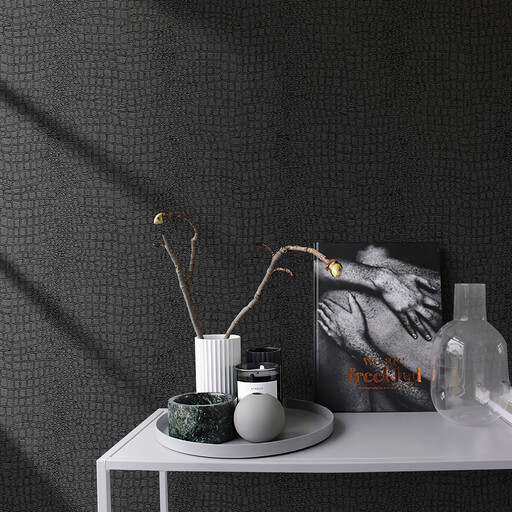
Why It Stands Out: This wallpaper delivers a high-end, sophisticated look with minimal effort. The subtle crocodile pattern creates a refined, faux leather wallpaper effect that adds a touch of luxury without being overpowering. Its self-adhesive backing makes it a fantastic choice for a quick yet impactful transformation.
Pros:
Who is it for: Renters and DIY enthusiasts looking to create a premium-feel accent wall in a living room, bedroom or home office with a simple, low-mess application.
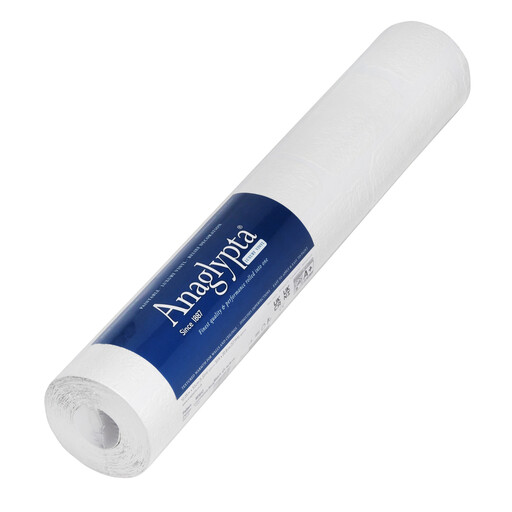
Why It Stands Out: This Anaglypta wallpaper perfectly captures the rustic charm of exposed brickwork. As a paintable wallpaper, it offers complete creative control, allowing you to choose any colour from a classic red to a modern whitewash. It’s a durable and timeless choice for adding character.
Pros:
Who is it for: Homeowners wanting to create a classic feature wall with a specific colour palette. It’s ideal for bringing a warm, country-cottage feel to kitchens, dining rooms or living spaces.
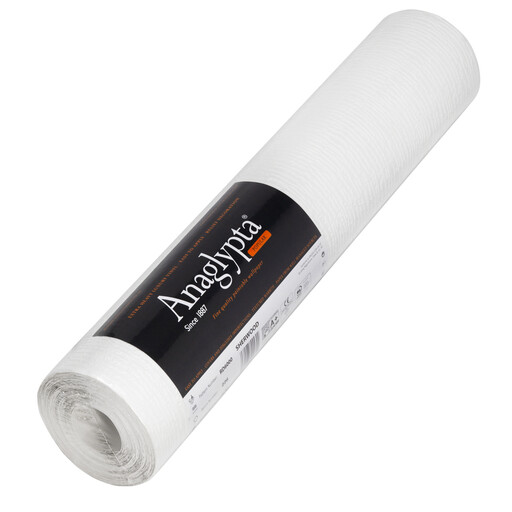
Why It Stands Out: For those who prefer a more subtle texture, the Sherwood design is an excellent choice. Its small-scale bark pattern adds warmth and dimension without dominating the room, making it versatile enough for all four walls or even a ceiling. It’s also effective at disguising minor imperfections on older walls.
Pros:
Who is it for: Anyone looking to add gentle, all-over texture to a room. It’s a practical and stylish way to add character while maintaining a calm and cohesive feel.
If you're designing a dedicated entertainment space, a home bar or simply want to explore more dramatic and unconventional patterns, there are many more options available. For further inspiration and a wider selection of decorative wall coverings, browse our collection of wall decoration for bar and other feature areas.
1. Is textured wallpaper difficult to clean? It depends on the material. Modern vinyl wallpaper, including many paintable and peel-and-stick options, is designed to be durable and easy to clean. Most can be wiped with a damp cloth, making them suitable for busy households. Always check the manufacturer's instructions for specific cleaning advice.
2. Can you put peel and stick wallpaper over existing wallpaper? It is generally not recommended. For the best adhesion and a smooth finish, self adhesive wallpaper should be applied to a clean, smooth and dry surface. Applying it over existing wallpaper, especially if it's textured or has a vinyl coating, can lead to poor adhesion, bubbling and peeling.
3. What is the point of paintable wallpaper?Paintable wallpaper offers the best of both worlds: texture and custom colour. It allows you to add a three-dimensional pattern to your walls—like brick, plaster or geometric designs—and then paint it in the exact shade that matches your decor. It's a versatile way to achieve a bespoke look and can be easily updated with a new coat of paint down the line.