
24/7 Customer Support

Free returns

Same-day & Next-day Delivery

Quality Guaranteed

Unlock Your Welcome Offers: FREE Delivery | Up to 80% OFF | Free 30-day JoyPlus trial
Download the APP
Textured wallpaper can disguise minor surface irregularities, add depth to a plain room and create a feature wall without relying on heavy pattern or multiple layers of paint. However, the raised finish also makes product selection and installation less forgiving.
For UK homeowners, landlords, DIY decorators and commercial property owners, three common buying traps deserve attention:
A suitable product should match the room, substrate, installation method and desired maintenance routine—not simply the photograph shown online.
Textured vinyl wallpaper is often selected for its more robust surface and suitability for busy domestic or commercial interiors. Vinyl can also be easier to wipe gently once fully dry, although cleaning instructions vary by product.
Anaglypta wallpaper is traditionally associated with raised, paintable wallcoverings. The texture can be recoloured when your décor changes, making it useful for period properties, rental refreshes and rooms where a consistent painted finish is preferred.
Paper-based products, such as some 3D black wallpaper designs, can provide a natural matt appearance. They may need more careful handling during hanging because paper can expand when pasted and may show bubbles or uneven seams if the wall is poorly prepared.
Always check the stated material, whether the product is paintable and whether it is supplied with adhesive. “Without adhesive” means you must purchase wallpaper paste separately.
Many of the paintable vinyl options listed here are approximately 0.52–0.53m wide and 10m long. The actual number of usable drops depends on wall height and pattern repeat. Measure each wall separately, then allow additional material for:
The Murgall black art paper designs use a 44cm width, with either a 5m or 10m roll length. Their stated coverage is approximately 23.6 sq ft or 47.2 sq ft, respectively. These figures make them easier to compare for a single feature wall, but the first drop still needs to be positioned accurately.
Before purchasing wallpaper adhesive, check whether the wallcovering uses paste-the-wall, paste-the-paper or either method. A ready-mixed wallpaper paste can be convenient for smaller projects, while a sachet may be practical when you want to adjust the strength for a particular covering.
The surface should be clean, dry, sound and free from dust, loose particles, holes and cracks. Preparation is particularly important with embossed wallpaper because side lighting can highlight ridges, dents and poorly aligned seams. On walls with significant movement, damp or structural damage, resolve the underlying issue before decorating.
For ceilings, work with appropriate access equipment and follow the wallcovering manufacturer’s instructions. Heavy patterns and raised designs may require two people for safer alignment.
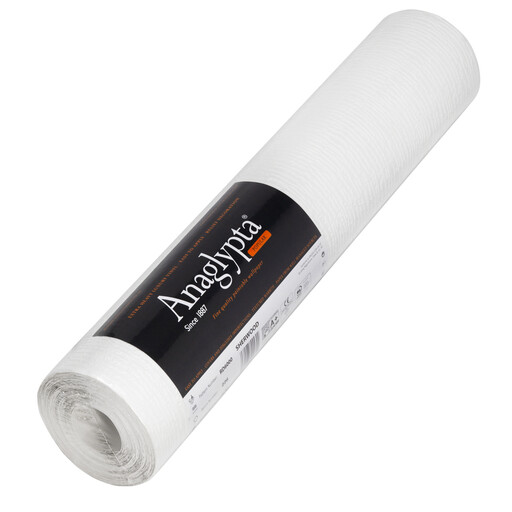
Why This Fits Their Persona: The small-scale bark pattern offers understated texture for a first decorating project, and the paintable finish allows the colour to be changed later.
It is clearly described as paintable vinyl, helping avoid buying a fixed-colour covering for a room that may be redecorated.
Paintable surface; suitable for walls and ceilings; designed for ready-mixed adhesive.
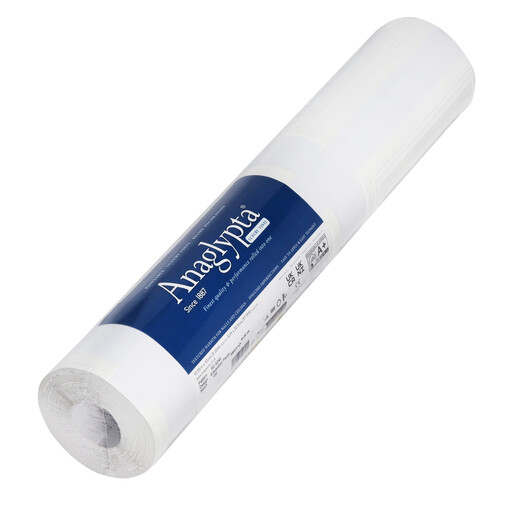
Why This Fits Their Persona: The bold Edwardian panel texture suits period-inspired interiors, formal dining rooms and feature ceilings where a more pronounced design is wanted.
The stated 0.53m by 10m format makes planning more transparent, while the paintable white surface avoids being locked into one colour.
Edwardian panel design; vinyl construction; suitable for walls and ceilings.
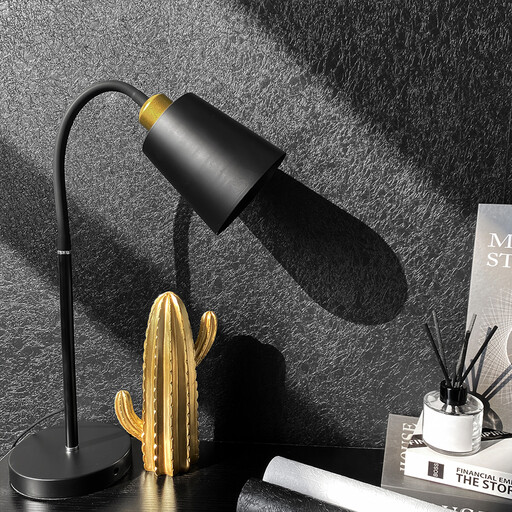
Why This Fits Their Persona: The black 3D art paper format is suited to living-room media walls, home offices, bedrooms and other focused feature-wall applications.
The listing states that adhesive is not included, so buyers can budget for compatible wallpaper paste rather than discovering an installation gap later.
44cm width; approximately 47.2 sq ft coverage; matt paper texture with subtle 3D detail.
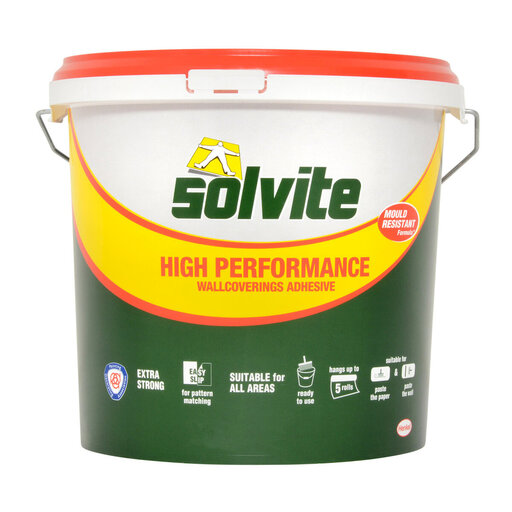
Why This Fits Their Persona: A 4.5kg bucket is practical for larger decorating jobs, rental turnovers and rooms using heavier vinyl or embossed wallcoverings.
It is supplied ready mixed and specifies suitability for heavier wallcoverings, reducing the need to mix separate powder adhesive during a multi-room project.
4.5kg bucket; brush or roller application; stated coverage of up to five standard rolls.
We have compiled a complete, real-time list of products that fully satisfy these strict selection criteria and UK safety regulations.
Yes, several paintable vinyl designs are described for walls and ceilings. Ceiling application needs careful surface preparation, secure access and attention to product weight. Bold panel or damask patterns may create a strong visual effect, while small-scale textures are easier to use across larger areas.
You can paint over a product specifically labelled paintable wallpaper, such as the paintable vinyl options above. Use a compatible interior paint and apply controlled coats. Do not assume that every embossed or textured wallcovering can be painted; check the product information first.
Its service life depends on wall preparation, humidity, adhesive compatibility, sunlight, traffic and cleaning. Vinyl may be appropriate for areas needing a more robust surface, but no wallpaper is a substitute for repairing damp or unstable plaster. Keep spare material for future patching, particularly when the design has a noticeable repeat.