
24/7 Customer Support

Free returns

Same-day & Next-day Delivery

Quality Guaranteed

Unlock Your Welcome Offers: FREE Delivery | Up to 80% OFF | Free 30-day JoyPlus trial
Download the APP
Bringing the vibrant, aromatic flavours of Thailand into your kitchen is a rewarding experience. Yet, a stroll down the supermarket aisle can be confusing. With so many bottles labelled "authentic," it's easy to end up with Thai cooking ingredients that don't deliver that restaurant-quality taste you're craving. As a Joybuy Product Recommendation Officer, my role is to help you see past the marketing and choose products that truly work for your cooking style.
Many home cooks find their homemade Pad Thai or green curry falls flat. This often comes down to a few common purchasing pitfalls:
sweet chilli sauce or Pad Thai sauce can overpower the other delicate flavours.Asian cooking sauces promise convenience but lack the depth of traditional ingredients. They often miss the pungent, savoury kick from essentials like fish sauce or the aromatic fragrance of galangal and kaffir lime, resulting in a dish that tastes generic rather than distinctly Thai.Thai curry paste with a ready-to-use sauce. Using a paste incorrectly can lead to an overwhelmingly intense or unbalanced meal, while a ready-made sauce might not offer the flavour control a more experienced cook desires.To avoid disappointment, focus on a few core parameters. Understanding these will help you build a versatile pantry for creating genuine Thai dishes.
The soul of many Thai dishes lies in a trio of core flavours. When selecting ingredients, look for products that deliver these distinct notes:
Thai curry paste to provide an intense, savoury depth.Choosing between a paste and a pre-made sauce depends on your confidence and the time you have.
Massaman curry paste or green curry sauce concentrate is a dense blend of ground herbs and spices. You typically fry the paste in a little oil to release its aromas before adding coconut milk and your main ingredients. This method gives you more control over the final consistency and intensity.Based on these principles, here are a few recommendations matched to different types of home cooks in the UK.
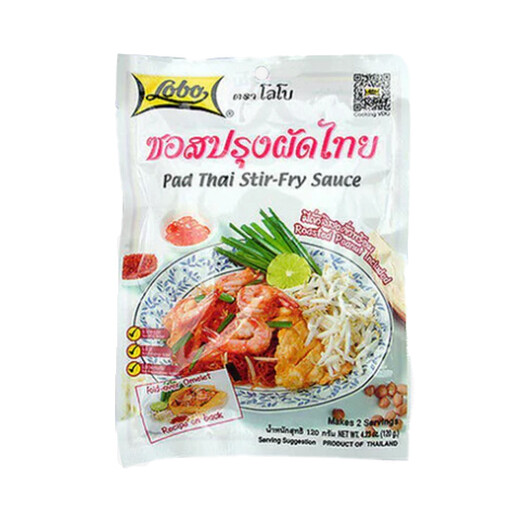
Why This Fits Their Persona: Perfect for busy individuals or beginners who want to create an authentic-tasting Pad Thai without sourcing a dozen separate ingredients. This kit removes the guesswork for a quick, delicious midweek meal.
It sidesteps the "one-note flavour" trap by providing a vacuum-sealed paste and separate crushed peanuts, preserving the fresh, balanced taste of tamarind, fish sauce and shallots.
Convenient two-serving packet with no added MSG or artificial colours. The included instructions make preparation straightforward.
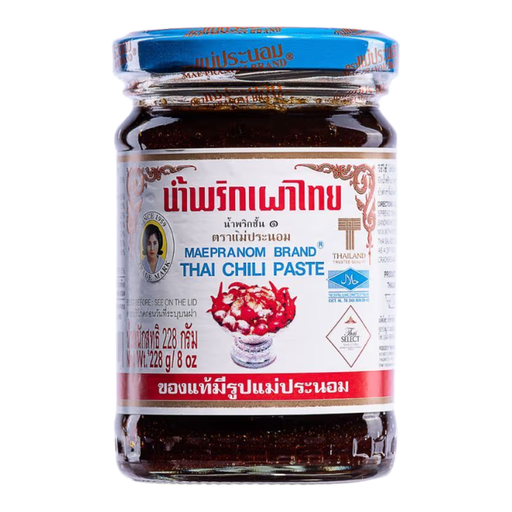
Why This Fits Their Persona: For the intermediate cook ready to move beyond kits. This concentrated paste is a versatile building block for customising the heat and flavour of curries, stir-fries and soups.
This is a proper paste, not a diluted sauce. It avoids the "sweetness trap" by delivering a complex, fiery flavour from chilli, garlic and shrimp paste, putting you in control of the final balance.
A concentrated, traditional flavour base that offers great value, as a small amount goes a long way. Highly versatile across a range of Thai and Asian dishes.
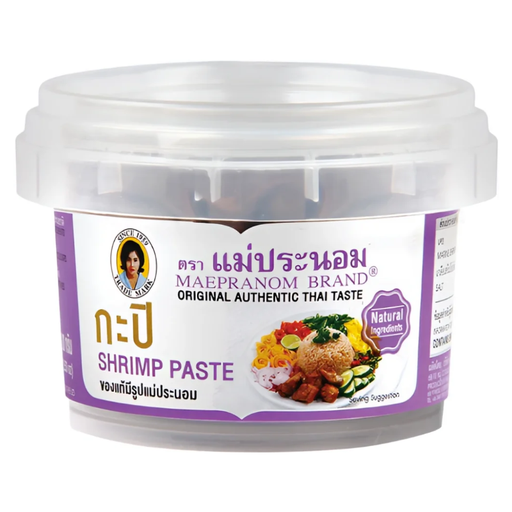
Why This Fits Their Persona: For the cook dedicated to creating dishes from scratch. Shrimp paste is a non-negotiable ingredient for authentic Thai curry pastes and dips, providing an umami depth that cannot be substituted.
This product is the antidote to the "one-note flavour" pitfall. It is a fundamental, pungent ingredient that adds the specific savoury complexity found in genuine Thai food, which is often missing from generic sauces.
Made with 65% shrimp and salt, this is a pure, powerful ingredient. It is essential for anyone wanting to make their own curry pastes or traditional dips like *nam prik kapi*.
We have compiled a complete, real-time list of products that fully satisfy these strict selection criteria and UK safety regulations.
The main difference lies in the chillies and spices used.
This depends on the product, so always check the label. As a general rule, concentrated pastes like curry paste or shrimp paste are high in salt and can last for several months in the refrigerator when sealed tightly. Ready-made sauces, especially those containing coconut milk, have a much shorter shelf life and should typically be consumed within 3-5 days of opening. Dipping sauces like sweet chilli sauce or sriracha usually last for several weeks in the fridge due to their sugar and vinegar content.