
24/7 Customer Support

Free returns

Same-day & Next-day Delivery

Quality Guaranteed

Unlock Your Welcome Offers: FREE Delivery | Up to 80% OFF | Free 30-day JoyPlus trial
Download the APP
As a Joybuy Product Recommendation Officer, I see many UK home cooks trying to recreate the vibrant, complex flavours of Thai food, only to be let down by their store-bought sauces. The dream of a restaurant-quality Pad Thai or a fragrant green curry at home often ends in a dish that’s disappointingly flat or overly sweet.
The supermarket aisle is filled with promises of "authentic" flavour, but many products fall short. Here are the common pitfalls to be aware of:
To avoid these traps and choose sauces that deliver genuine flavour, focus on a few core parameters. This isn't about becoming a food scientist; it's about knowing what to look for on the label to ensure you're getting value and taste.
Your first choice is between a concentrated paste and a convenient, ready-to-pour sauce.
Thai fish sauce (or nam pla) is the cornerstone of Thai cooking, providing a deep, savoury umami flavour that salt alone cannot replicate. A quality fish sauce is made from little more than fermented anchovies and salt. Its pungent aroma mellows during cooking, adding an irreplaceable depth to everything from a Thai stir-fry sauce to soups and Thai dipping sauces. For those on a plant-based diet, high-quality vegan fish sauce alternatives, often made from fermented soybeans, are now available to provide that crucial umami note.
Before you put any sauce in your basket, scan the ingredients for these key players:
Based on these guiding principles, here are a few recommendations matched to different cooking styles and needs.
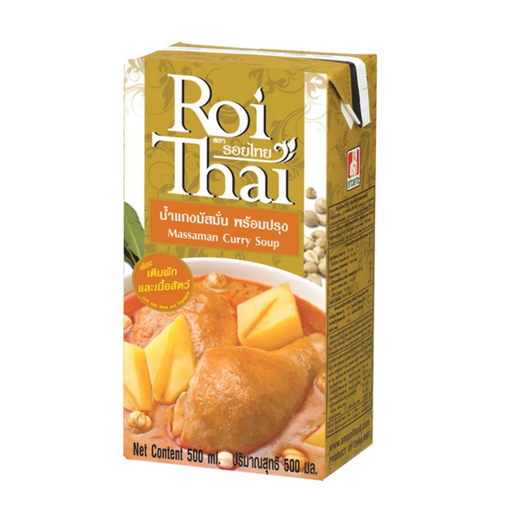
Why This Fits Their Persona: This ready-to-pour sauce is perfect for anyone short on time who doesn't want to compromise on flavour. It allows you to create a rich, aromatic Massaman curry in under 20 minutes, making it ideal for a quick and satisfying midweek dinner.
It avoids the "authenticity trap" by including a proper Massaman curry paste within the sauce, featuring key ingredients like galangal, lemongrass and shrimp paste for a complex flavour base, not just a generic sweet curry sauce.
Convenience without compromise: Coconut milk is already included, creating a balanced, creamy sauce. Authentic flavour profile: Contains tamarind and fish sauce for the correct balance of sweet, sour and salty.
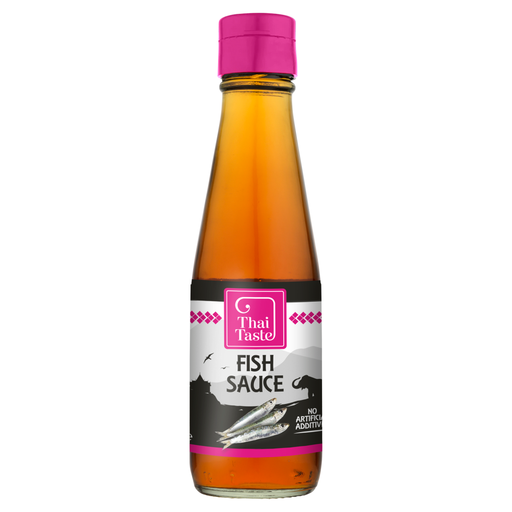
Why This Fits Their Persona: For the home cook who wants to build authentic Thai flavours from the ground up, a quality fish sauce is the most important bottle in the pantry. This product provides the essential umami foundation for countless dishes.
This is not just salty water with flavouring. It is made from traditionally fermented anchovies, water, salt and sugar, delivering a complex, savoury depth that cannot be faked with artificial additives.
Versatile seasoning: The cornerstone ingredient for stir-fries, marinades, curries and dipping sauces. Simple, traditional ingredients: Provides confidence in the product's authenticity and flavour profile.
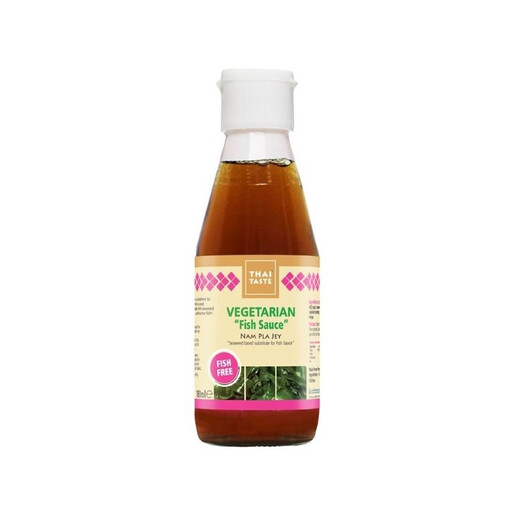
Why This Fits Their Persona: For vegans and vegetarians, the lack of a fish sauce alternative has long been a barrier to creating authentic Thai dishes. This product directly solves that problem, providing the essential savoury flavour note in a completely plant-based format.
Instead of just being a salty soy sauce, it uses soybean protein to replicate the umami depth of traditional fish sauce, ensuring that plant-based dishes don't have to compromise on flavour.
1:1 substitute: Can be used in any recipe that calls for fish sauce. Versatile: Unlocks the ability to make authentic-tasting vegan Pad Thai, curries and dipping sauces.
We have compiled a complete, real-time list of products that fully satisfy these strict selection criteria and UK safety regulations.
Most store-bought Thai sauces, especially those containing sugar and vinegar, have a good shelf life. Once opened, it is almost always recommended to store them in the refrigerator. A Thai sweet chilli sauce or Thai fish sauce can last for several months, while coconut-based curry sauces should be consumed within 3-5 days. Always check the label for specific storage instructions and "use by" dates.
A curry paste is a concentrated blend of raw, ground herbs and spices. You need to fry it in oil to release its flavours and then add your own liquid, typically coconut milk, to create the sauce. A ready-made curry sauce has already gone through this process and has the coconut milk included. Pastes offer more control and a fresher, more intense flavour, while ready-made sauces offer speed and convenience.
Yes, absolutely. Many brands now offer certified gluten-free options, which is particularly relevant for soy-based sauces. For example, some Sriracha sauces are gluten-free. The availability of vegan fish sauce and clearly labelled vegan curry pastes (which omit the traditional shrimp paste) means that those on a plant-based diet can enjoy the full spectrum of Thai flavours without compromise. Always check the allergens list, which is usually in bold on the ingredients panel.