
24/7 Customer Support

Free returns

Same-day & Next-day Delivery

Quality Guaranteed

Unlock Your Welcome Offers: FREE Delivery | Up to 80% OFF | Free 30-day JoyPlus trial
Download the APP
Recreating the vibrant, aromatic flavours of a Thai meal at home should be a rewarding experience. A quality Thai curry paste is the secret weapon for achieving that restaurant-level depth in minutes. However, the supermarket aisle can be a confusing place, filled with jars that promise authenticity but often fall short. Many home cooks find their finished dish lacks that crucial punch, leaving them wondering where they went wrong.
The issue often lies in the paste itself. Navigating the options means sidestepping a few common pitfalls that can lead to a disappointing and flavourless meal.
By understanding what truly makes a great thai cooking paste, you can confidently select a product that delivers the flavour you're looking for.
Before you add a jar to your basket, a quick check of its core characteristics can make all the difference. These are the non-negotiable factors that separate a high-quality paste from a mediocre one.
The foundation of any good Thai paste is its blend of fresh and dried herbs and spices. The order of ingredients matters—those listed first are present in the largest quantities. Look for pastes where aromatics are the stars of the show.
Not all pastes are created equal, and using the wrong one is a common misstep. Understanding the distinct flavour profiles is key to matching the paste to your intended dish.
Due to the common use of shrimp paste and fish sauce, many traditional Thai pastes contain crustaceans and fish. Always check the allergen information, which should be clearly marked in bold on the ingredient list. For those following a plant-based diet, the good news is that dedicated vegan options are becoming more widely available. A quality vegan tom yum paste, for example, will be specifically formulated to achieve that classic flavour profile without any animal-derived ingredients.
To help you choose, we've matched a few standout products to different cooking needs and preferences, all of which deliver on their flavour promises.
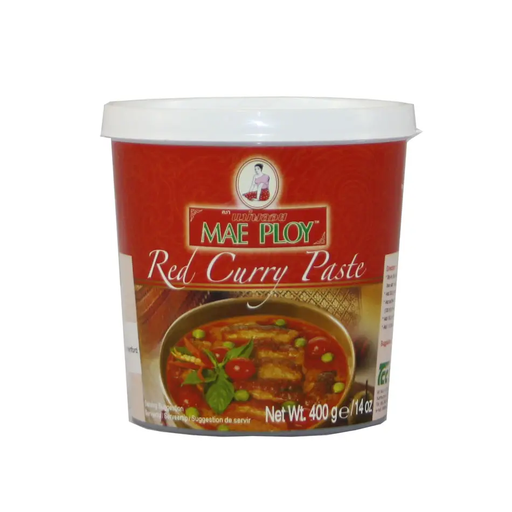
Why This Fits Their Persona: For the home cook who wants a reliable, versatile and concentrated paste for classic Thai curries. This mae ploy paste is a staple in many kitchens for its consistent and robust flavour, making it perfect for weeknight dinners and more ambitious weekend meals alike.
It avoids the filler trap by listing dried red chilli, garlic and lemongrass as its primary ingredients. It is highly concentrated, so a little goes a long way, delivering authentic flavour without excessive salt or sugar.
Contains a full profile of authentic ingredients, including galangal and shrimp paste, for a complex flavour. The large, resealable tub offers great value and convenience.

Why This Fits Their Persona: Perfect for anyone who loves Thailand's signature noodle dish and wants to replicate that specific street-food taste at home. This is not a curry paste, but a dedicated pad thai paste designed for stir-frying with noodles.
It avoids the pitfall of using a generic curry paste for a noodle dish. This seasoning provides the correct balance of sweet (palm sugar), sour (tamarind) and salty (fish sauce) that is essential for an authentic Pad Thai.
This all-in-one seasoning simplifies the cooking process significantly. It delivers a consistent and balanced flavour profile that can be difficult to achieve from scratch.
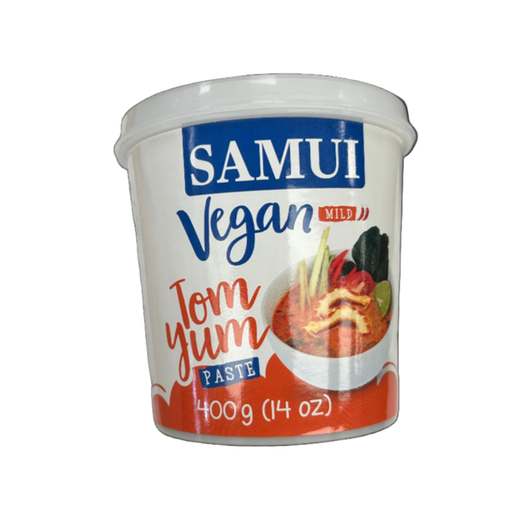
Why This Fits Their Persona: This is for the vegan or vegetarian cook who refuses to miss out on the classic hot and sour flavours of Thai cuisine. It provides a convenient and flavourful base for soups and stir-fries without any animal products.
It directly solves the problem of most pastes containing shrimp or fish. This vegan tom yum paste is specifically formulated to build a complex flavour using only plant-based ingredients, ensuring no hidden animal products.
Delivers the signature sour, spicy and savoury notes of Tom Yum using a blend of lemongrass, galangal and chilli. It's a versatile base for soups with tofu and mushrooms or for flavouring vegan noodle dishes.
We have compiled a complete, real-time list of products that fully satisfy these strict selection criteria and UK safety regulations.
This depends on the concentration of the paste and your desired heat level. For a concentrated paste like Mae Ploy, a good starting point is one tablespoon (about 15g) per person or for a curry serving two. It's always best to start with less, taste the sauce after it has simmered with the coconut milk and add more if needed.
While the paste provides the core flavour, you can enhance your curry further. A splash of fish sauce (or soy sauce for a vegan option) can deepen the savoury flavour, and a pinch of palm sugar can balance the heat and saltiness. Finishing with fresh herbs like Thai basil or coriander adds a final layer of freshness.
Once opened, most Thai curry pastes should be stored in the refrigerator with the lid tightly sealed. For pastes in tubs, ensure the surface is clean before sealing. For pastes in pouches, it's best to transfer the remainder to an airtight container. Generally, they should be used within a few weeks to a month for the best flavour, but always check the packaging for specific storage instructions.