
24/7 Customer Support

Free returns

Same-day & Next-day Delivery

Quality Guaranteed

Unlock Your Welcome Offers: FREE Delivery | Up to 80% OFF | Free 30-day JoyPlus trial
Download the APP
Thai curry paste can turn a weeknight meal into a fragrant, satisfying dish with very little preparation. However, jars and sachets vary considerably in flavour strength, allergens, heat level, serving size and suitability for vegan cooking. A colourful label or the word “authentic” does not always tell you whether the paste suits your recipe.
This guide explains the practical details UK shoppers should check before buying Thai curry paste, followed by tailored recommendations for different cooking habits.
Many traditional recipes use shrimp paste, fish sauce or other seafood ingredients. This applies to several green, red, yellow and Panang curry pastes, as well as some Tom Yum pastes.
Always read the ingredient list and allergen statement rather than relying on the curry name. For example, Mae Ploy Green Curry Paste contains shrimp, while Lobo Green Curry Paste contains shrimp and soya. By contrast, SAMUI vegan products are formulated without animal ingredients, although you should still check the packaging for the latest allergen information.
Thai green curry is often associated with a fresh, chilli-forward flavour, while red curry paste usually brings dried chilli, garlic and warm aromatics. Yellow curry paste generally includes turmeric and warming spices, and Massaman curry paste tends to be milder and more spice-led.
Heat varies between brands and recipes. Using the full amount recommended on a small sachet may produce a much stronger result than expected, particularly when cooking for children or anyone sensitive to chilli. Start with less paste, then adjust after simmering with coconut milk or stock.
A 400g jar can offer good value if you cook Thai dishes regularly, but it may be unnecessary for occasional use. Smaller 50g sachets or packs, such as Lobo curry paste varieties, are convenient for one or two meals and reduce opened-product waste.
Once opened, storage instructions differ. Some products require refrigeration and use within a stated period. Keep the container sealed, use a clean spoon and follow the date and storage information printed on the packaging.
Choose the paste according to the dish you want to prepare:
A paste labelled for coconut milk can also work in stir-fries, noodle dishes, marinades and sauces. Check the instructions to see whether water, stock, coconut milk or extra seasoning is required.
For UK households managing allergies or dietary preferences, the allergen declaration is a non-negotiable check. Look for crustaceans, fish, soya, milk, sesame, peanuts, tree nuts, wheat and sulphites.
Mae Ploy and Lobo products listed here include versions containing shrimp. THAI TASTE Tom Yum Paste contains fish, crustaceans and soya. SAMUI Vegan Panang Curry Paste lists no allergens in the supplied product information, while SAMUI Vegan Massaman Curry Paste contains soya.
Recipes and packaging can change, so use the product label as the final reference before cooking.
Pack size alone does not determine value. Compare the recommended quantity per serving and the amount of coconut milk or stock needed.
A 50g Lobo sachet is useful for testing a flavour or preparing a smaller meal. Larger 170g or 227g packs suit occasional cooks who want more than one serving. A 400g jar, such as Mae Ploy or SAMUI varieties, is more practical for regular Thai cooking, batch preparation or households that use curry paste in several recipes.
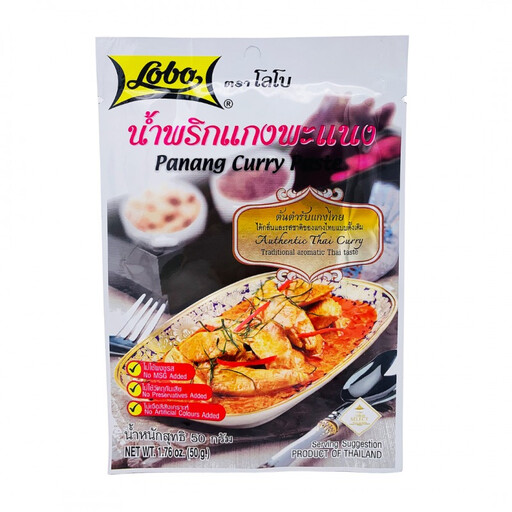
Why This Fits Their Persona: The compact 50g pack is suitable for UK cooks trying Panang curry for the first time or preparing a smaller meal without committing to a large jar.
The stated serving guidance explains how to combine it with coconut milk or stock, helping new cooks avoid buying extra specialist ingredients.
50g net quantity; made in Thailand; suitable for curry, stir-fries and marinades. Contains wheat, soya, milk and sesame.
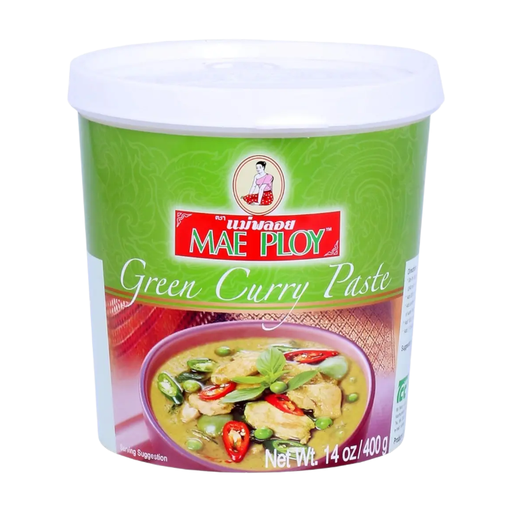
Why This Fits Their Persona: Regular Thai food enthusiasts may prefer a larger jar for repeated green curry meals, experimentation and batch cooking.
The detailed ingredient list makes the presence of shrimp clear, avoiding the common assumption that green curry paste is automatically vegetarian.
400g jar; green chilli, lemongrass and galangal are listed ingredients; instructions include coconut milk, vegetables or meat.
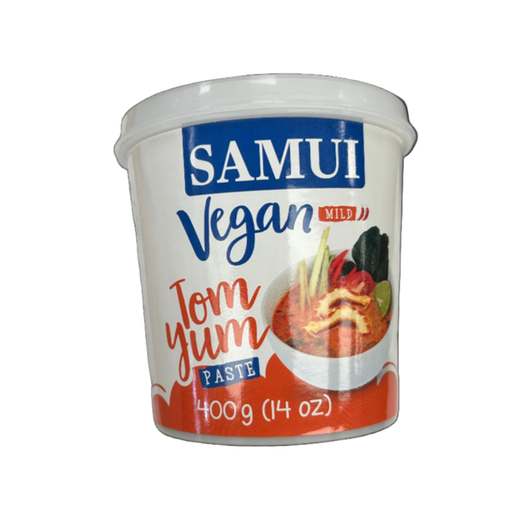
Why This Fits Their Persona: A useful choice for plant-based households that want Tom Yum-style soup as well as a flexible paste for noodles, marinades and stir-fries.
Its vegan positioning addresses the seafood-ingredient trap, while the 400g size provides more scope for frequent cooking than a single-use sachet.
Vegan-friendly product description; includes lemongrass, galangal and chilli; suitable for soup, stir-fries, noodles and sauces.
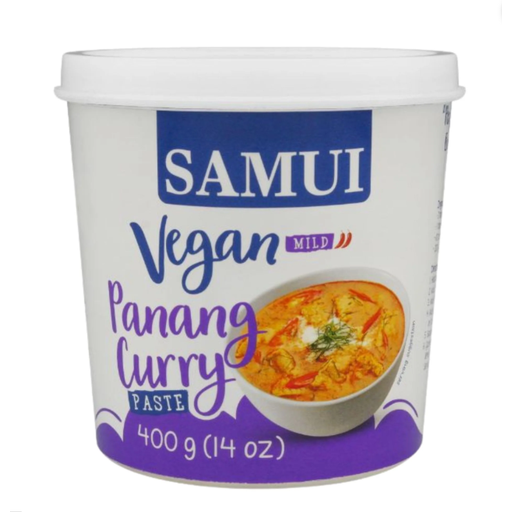
Why This Fits Their Persona: This suits households looking for a coconut milk curry with a richer, aromatic profile while keeping the main dish plant-based.
The supplied information identifies it as vegan and lists no allergens, helping shoppers distinguish it from Panang pastes that contain shrimp or dairy.
400g net quantity; red chilli content listed at 20.5%; designed for curry, soups, marinades, stir-fries and sauces.
We have compiled a complete, real-time list of products that fully satisfy these strict selection criteria and UK safety regulations.
Most Thai curry pastes are cooked with coconut milk, vegetables and a protein or plant-based alternative. Some recipes also use stock, lime juice, Thai basil, potatoes, peanuts or fresh coriander. Follow the product instructions first, then adjust flavour gradually.
There is no single lifespan for every product. Some supplied instructions recommend refrigeration and use within two weeks, while others allow several weeks or up to three months. Check the jar or sachet, seal it properly and avoid using the paste if its odour, colour or texture has changed.
Some products are, but many contain shrimp paste, fish sauce or other animal-derived ingredients. Look specifically for vegan wording and confirm it against the ingredient and allergen information. SAMUI Vegan Tom Yum, Massaman, Panang and Yellow Curry Paste options are designed for plant-based cooking, while several Mae Ploy, Lobo and Tom Yum products listed above contain seafood allergens.