
24/7 Customer Support

Free returns

Same-day & Next-day Delivery

Quality Guaranteed

Unlock Your Welcome Offers: FREE Delivery | Up to 80% OFF | Free 30-day JoyPlus trial
Download the APP
Thai curry paste can turn a few everyday ingredients into a fragrant meal, but choosing the right jar or sachet is not always straightforward. UK shoppers are often faced with different spice levels, unfamiliar ingredients, varying pack sizes and broad claims such as “authentic” or “traditional”.
The main purchasing mistakes are usually easy to avoid:
Choose the paste according to the meal you plan to cook.
Thai curry paste is not interchangeable with Indian curry paste, Malaysian rendang paste or a Madras spice paste. These products use different aromatics and cooking methods. For example, Malaysian rendang paste is designed for a thicker, slower-cooked dish, while an Indian jalfrezi or butter chicken paste may be used with tomatoes, yoghurt or dairy.
Always read the current packaging before purchase, particularly if you are cooking for guests. Several products in this category contain shrimp or other crustaceans, including a number of red, green, yellow and Massaman pastes.
Other ingredients to check include:
Some products are labelled vegan or gluten-free, but “may contain” statements can still be important for allergy-conscious households. Do not assume a vegetable curry paste is vegetarian: shrimp paste or fish-derived ingredients may still be included.
A small 50g sachet or jar can be suitable for one or two cooking occasions and reduces the risk of keeping an opened product for too long. Larger 200g and 400g jars offer better convenience for regular home cooks, batch cooking and meal preparation.
Check whether the product is intended for cooking only. Concentrated paste can be high in salt and chilli, so it should generally be fried or simmered with other ingredients rather than eaten directly. After opening, most products need refrigeration in a tightly sealed container. Use the storage period printed on the pack: recommendations vary from a few days to several months.
For a simple curry, fry the paste briefly in oil, add coconut milk or water, then add vegetables and your chosen protein. Cook until the dish is piping hot throughout; poultry should be thoroughly cooked before serving.
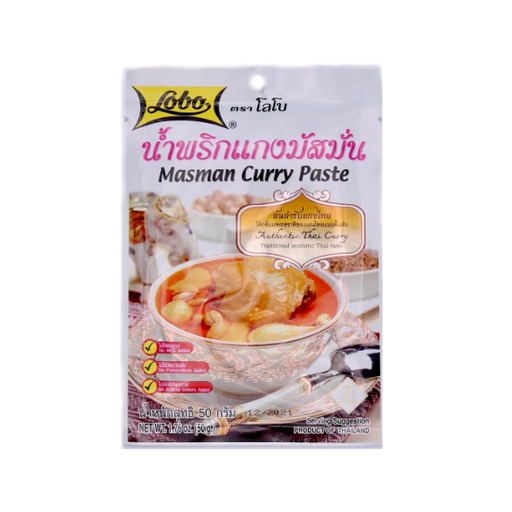
Why This Fits Their Persona: The 50g pack is designed for a small meal, making it a practical starting point for UK cooks trying Massaman curry without committing to a large jar.
The smaller portion helps avoid unnecessary waste. The label clearly identifies shrimp, so it is not suitable for people with crustacean allergies.
Suitable for a Massaman-style curry with coconut milk, potatoes and meat; compact 50g format.
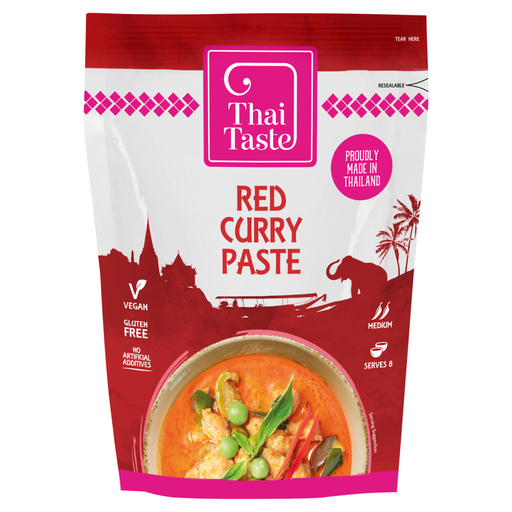
Why This Fits Their Persona: A suitable option for shoppers who prioritise a Thai-made paste with a clearly listed aromatic ingredient blend and flexible serving options.
It avoids relying on vague flavour descriptions by listing fresh garlic, lemongrass, red chilli, galangal and spices. It is described as vegan, but the packaging should still be checked.
Made in Thailand; suitable for meat, vegetables, tofu and coconut milk-based recipes.
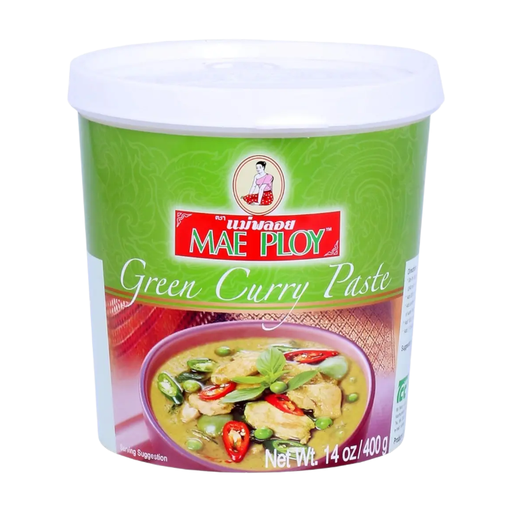
Why This Fits Their Persona: The larger jar suits households that regularly cook green curry, stir-fries, soups or marinades.
The 400g quantity is more appropriate for frequent use than for occasional cooks. The ingredient list clearly states shrimp paste, so it is not suitable for shellfish-free cooking.
Thai origin; suitable for chicken, beef, seafood and vegetables; usage guidance includes coconut milk and a 10–15 minute simmer.
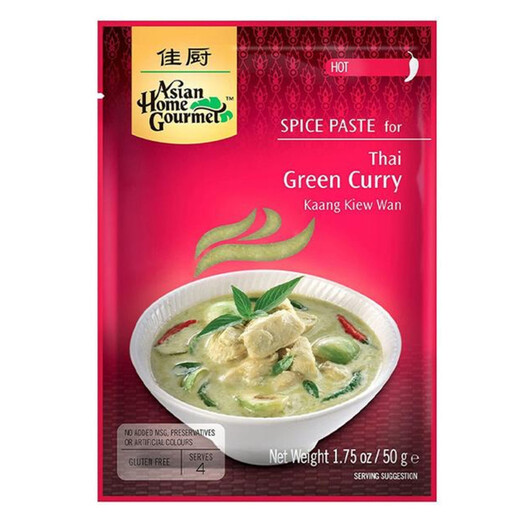
Why This Fits Their Persona: The compact pack is convenient for a quick meal after work, with no need to measure a large quantity from an opened jar.
The ingredients identify coconut and soy, with possible shrimp and fish traces. This makes checking dietary suitability straightforward before cooking.
Designed for use with coconut milk, chicken, seafood, vegetables or tofu; country of origin is Thailand.
We have compiled a complete, real-time list of products that fully satisfy these strict selection criteria and UK safety regulations.
Most Thai curry pastes work with coconut milk, vegetables and a protein such as chicken, beef, seafood or tofu. Frying the paste briefly in oil first helps release its aroma. Follow the specific instructions on the packaging, as quantities and cooking times vary.
Not necessarily. Red, green, yellow and Massaman pastes may contain shrimp paste or fish-related ingredients. Check the allergen declaration and ingredient list for every product. A product labelled vegan or vegetarian is generally the more appropriate choice, but packaging should still be checked before use.
Storage life varies considerably. Some products recommend using the paste within a few days, while others allow several weeks or months. Refrigerate opened paste in a sealed container and follow the manufacturer’s stated timeframe. Discard it if the packaging is swollen or the paste develops an unusual smell, colour or texture.