
24/7 Customer Support

Free returns

Same-day & Next-day Delivery

Quality Guaranteed

Unlock Your Welcome Offers: FREE Delivery | Up to 80% OFF | Free 30-day JoyPlus trial
Download the APP
Creating a truly authentic Thai curry at home can feel like a challenge. You want that vibrant, complex flavour you enjoy in restaurants, but the supermarket aisle presents a confusing array of jars and pouches. How do you choose a paste that delivers genuine taste without spending hours deciphering labels?
As the Joybuy Product Recommendation Officer, my role is to help you navigate these choices. This guide cuts through the marketing hype to offer clear, practical advice on selecting a high-quality Thai curry paste, ensuring your home-cooked meals are both delicious and simple to prepare.
Before we look at specific products, understanding a few key details can make all the difference. Here are three points to consider when making your selection.
The colour of a Thai curry paste is a direct indicator of its primary ingredients and flavour profile.
A high-quality, authentic Thai curry paste typically features a list of recognisable Thai cooking ingredients. Look for core components like lemongrass, galangal (a relative of ginger), kaffir lime and shallots high up on the list. A shorter ingredient list, free from unnecessary fillers or artificial additives, often signals a more traditional and flavourful product.
Many traditional curry pastes contain shrimp paste, which means they are not suitable for a vegan diet. If you have specific dietary requirements, it's important to check the packaging for clear labelling. Thankfully, many brands now offer excellent vegan curry paste and gluten-free curry paste alternatives that don't compromise on flavour.
Based on ingredient quality, authenticity of flavour profile and user convenience, here are our standout recommendations for your kitchen pantry.
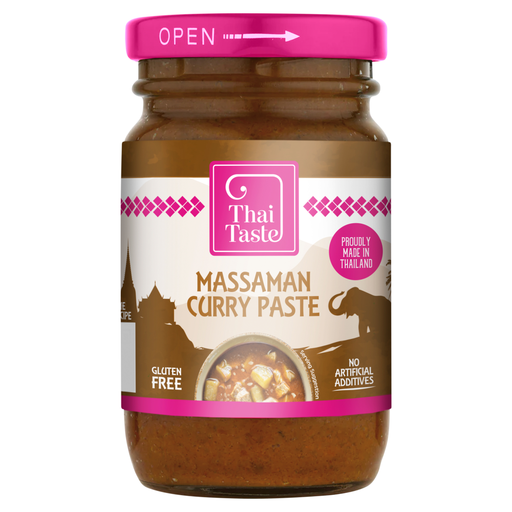
Why It Stands Out This massaman curry paste delivers a rich and aromatic experience that is both complex and approachable. Its flavour is built on a traditional blend of lemongrass, galangal and shallots, enhanced with fragrant spices like cinnamon and cardamom. It provides the deep, savoury and mildly sweet notes characteristic of a classic massaman curry.
Pros
Who is it for? This paste is an excellent starting point for those new to cooking Thai food or for anyone who prefers a milder, more fragrant curry. It is particularly well-suited for classic dishes like beef massaman with potatoes and peanuts.
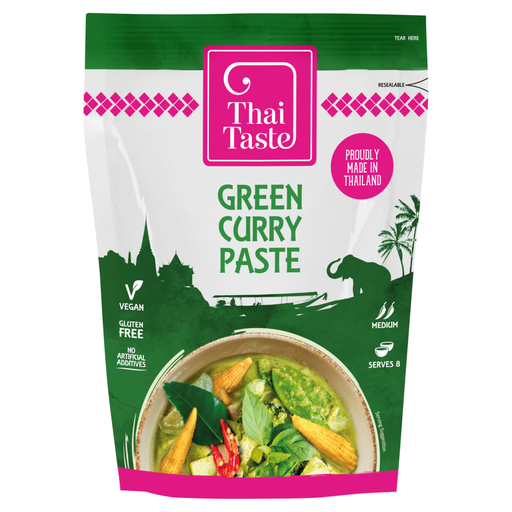
Why It Stands Out This green curry paste from Thai Taste stands out for its vibrant and fresh flavour, derived from a recipe that includes 22% fresh green chilli. It captures the zesty, aromatic essence of an authentic green curry, providing a balanced heat that complements chicken, prawns, or vegetables perfectly.
Pros
Who is it for? Ideal for home cooks who love the fresh, fragrant heat of a classic green curry. Its vegan and gluten-free credentials make it a versatile choice for households with varied dietary needs.
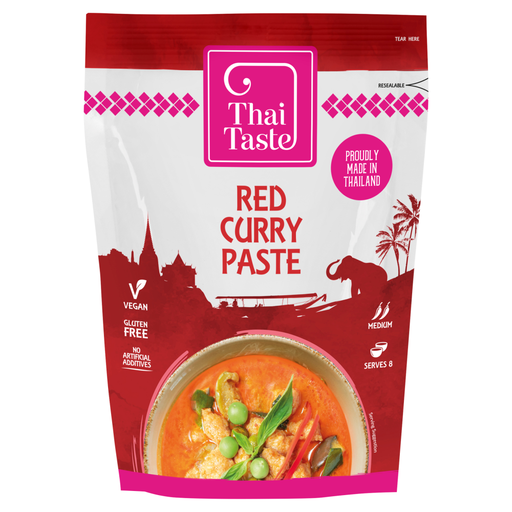
Why It Stands Out As a staple in Thai cuisine, this red curry paste offers a deep, robust flavour with a satisfying warmth from 18.5% fresh red chilli. It is incredibly versatile, providing a rich and aromatic base that can be used for a wide range of dishes, from a fiery beef curry to a flavourful marinade for tofu.
Pros
Who is it for? This is a must-have for any food enthusiast who appreciates a classic, spicy Thai curry. It’s the perfect all-rounder for those looking to create a variety of authentic dishes at home.
Using a quality paste makes cooking Thai curry surprisingly straightforward. Follow this simple framework for a delicious meal in under 30 minutes:
While these three pastes are excellent choices for starting your culinary journey, the world of Thai flavours is vast. If you're searching for a different heat level, a unique flavour profile, or other specialised ingredients, there are many more options to discover.
Explore our full range of Thai spicy sauce to find the perfect match for your next culinary creation.
What is the difference between red, green and yellow curry paste? Red and green pastes get their colour and heat from red and green chillies, respectively. Green curry is generally more fresh and aromatic, while red curry is richer and more robust. Yellow curry is milder than both, with a golden hue from turmeric and a creamy, rich flavour from spices like cumin and coriander.
How long does curry paste last once opened? This depends on the packaging. For jars like the Thai Taste Massaman, it's recommended to refrigerate and use within 7 days. For resealable pouches like the red and green pastes, they can be kept refrigerated for up to 3 months. Always check the storage instructions on the specific product.
Can I use Thai curry paste for things other than curry? Absolutely. A spoonful of curry paste can add a fantastic flavour boost to many dishes. Try mixing it into marinades for grilled meats or tofu, stirring it into soups for extra depth, or adding it to stir-fries for a quick and easy flavour base.