
24/7 Customer Support

Free returns

Same-day & Next-day Delivery

Quality Guaranteed

Unlock Your Welcome Offers: FREE Delivery | Up to 80% OFF | Free 30-day JoyPlus trial
Download the APP
A truly great Thai curry is a masterpiece of balance—spicy, sweet, salty and sour, all wrapped in a fragrant, creamy sauce. The secret isn't a complicated, hours-long recipe; it's the quality of your Thai curry paste. Yet, a quick look at the supermarket aisle reveals a confusing array of jars, sachets and cartons, all promising an "authentic" experience. Many fall short, leaving you with a dish that lacks the vibrant punch of your favourite Thai restaurant.
As the Joybuy Product Recommendation Officer, my role is to help you navigate this landscape. We'll look past the marketing claims to identify what really matters, ensuring your next home-cooked Thai curry is a success. Let's break down the common pitfalls and what to look for.
To make a confident choice, focus on these three core parameters. They are the difference between a disappointing meal and a delicious one.
The format you choose depends entirely on your priorities—flavour control versus convenience.
Always scan the ingredient list. For an authentic flavour profile, look for these ingredients to be listed near the beginning, not the end:
If you see water, oil or sugar as one of the first three ingredients in a paste, it's a sign that the product may be diluted.
Check the label carefully for common allergens. The most frequent is shrimp paste (crustaceans). If you require a plant-based option, look for products explicitly labelled as a vegan curry paste or those that omit shrimp paste from their ingredients.
Based on these practical criteria, here are a few options tailored to different cooking styles and needs.
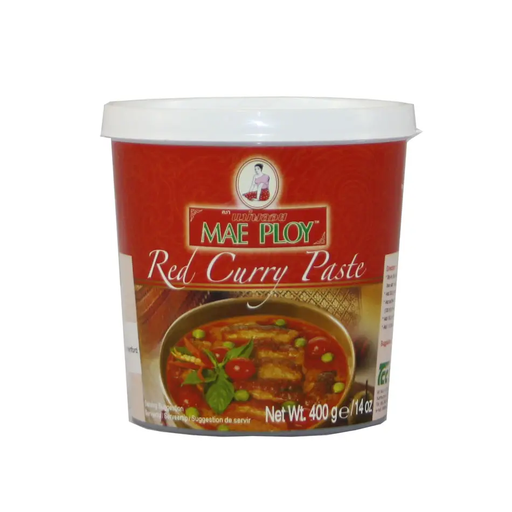
Why This Fits Their Persona: This is for the cook who wants to replicate restaurant-quality flavour. It provides a concentrated, authentic base, giving them full control over the final dish's spice and creaminess. The large, resealable tub is economical for regular use.
It's a concentrated paste, not a diluted sauce, avoiding the flavour compromise of "ready sauce" products. The ingredient list is a benchmark for authentic red curry paste.
High concentration delivers robust flavour. The 400g tub offers excellent value for money compared to smaller jars.
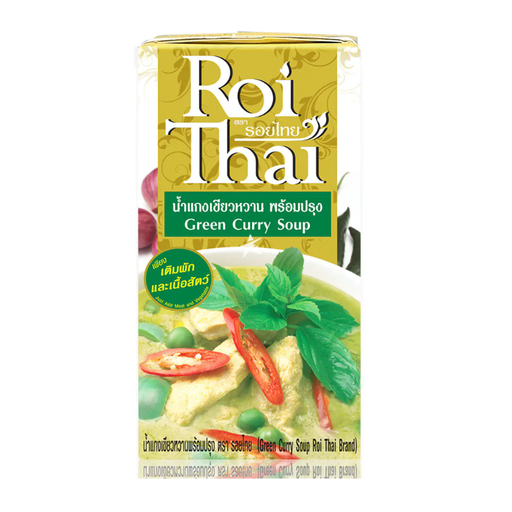
Why This Fits Their Persona: For those short on time, this ready-to-pour sauce delivers a flavourful green curry in minutes. It removes the guesswork of balancing paste and coconut milk, making it a reliable shortcut for a quick, satisfying meal after a long day.
While it is a "ready sauce," Roi Thai is a respected brand that uses a solid green curry paste base, providing a more authentic flavour profile than many generic supermarket sauces.
Maximum convenience without a major sacrifice in flavour. The pre-balanced sauce ensures a consistent result every time.
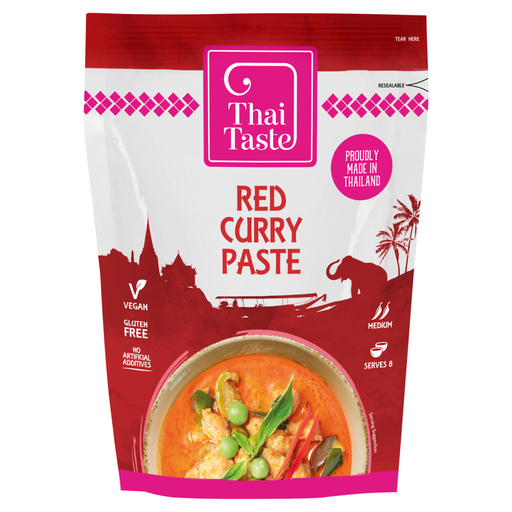
Why This Fits Their Persona: This paste is ideal for those who need to be certain about ingredients. It is explicitly vegan (no shrimp paste) and gluten-free, making it a safe and delicious choice for individuals with specific dietary requirements who don't want to compromise on flavour.
It directly solves the "hidden ingredient" problem by being clearly formulated and labelled as vegan, removing the guesswork and risk of accidentally buying a product with shrimp paste.
Vegan and gluten-free formulation. Made with fresh ingredients for a vibrant, aromatic flavour profile.
We have compiled a complete, real-time list of products that fully satisfy these strict selection criteria and UK safety regulations.
Once opened, most concentrated curry pastes should be stored in the refrigerator with the lid tightly sealed. They typically remain fresh for several weeks up to a few months. Always check the packaging for the manufacturer's specific recommendation. To help preserve it, you can press a small piece of cling film onto the surface of the paste before replacing the lid to minimise contact with air.
You can, but be prepared for a different result. Green curry paste is generally more fiery and has a bright, herbaceous flavour from the fresh green chillies. Red curry paste is made from dried chillies, giving it an earthier, more mellow heat. While they can be substituted in a pinch, using the type specified in a recipe will give you the most authentic flavour.
Most of the popular Mae Ploy pastes, including their red, green, yellow and panang curry paste, contain shrimp paste as a key ingredient for umami flavour. This means they are not suitable for vegans or those with a shellfish allergy. Always check the ingredients list in bold for allergens. If you need a plant-based option, look for a product specifically marketed as a vegan curry paste.