
24/7 Customer Support

Free returns

Same-day & Next-day Delivery

Quality Guaranteed

Unlock Your Welcome Offers: FREE Delivery | Up to 80% OFF | Free 30-day JoyPlus trial
Download the APP
As a Joybuy Product Recommendation Officer, my role is to help you navigate the crowded market of groceries and find items that deliver on their promise. When it comes to recreating the vibrant, complex flavours of Thailand in your own kitchen, sourcing the right Thai food ingredients is half the battle. Many home cooks and even professional caterers in the UK find their dishes lack that authentic punch, and it often comes down to a few common purchasing pitfalls.
Before you buy Asian groceries online UK, it's worth knowing what to look out for. Many shoppers are caught out by:
To ensure your cooking is a success, focus on these core parameters. They are the foundation of authentic Thai cooking.
The base of many Thai meals is either rice or noodles, and getting this right is crucial.
The soul of Thai food comes from its complex pastes and seasonings.
Based on these principles, here are a few product recommendations matched to different types of cooks.
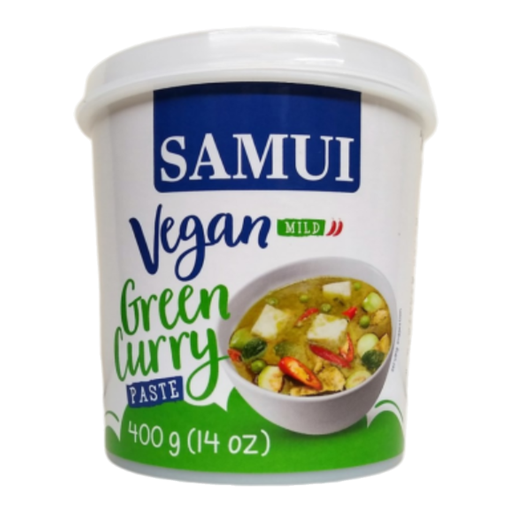
Why This Fits Their Persona: Perfect for those new to Thai cooking or on a plant-based diet. It takes the guesswork out of balancing the complex flavours of a green curry, providing a reliable and delicious base every time.
It directly counters the "hidden ingredients" pitfall by being explicitly vegan, ensuring no unexpected shrimp paste. The flavour is specifically for green curry, avoiding the generic "Thai-style" trap.
Delivers a fragrant and balanced flavour with 30% green chilli, lemongrass and galangal. It's a convenient, versatile paste for curries, stir-fries and marinades.
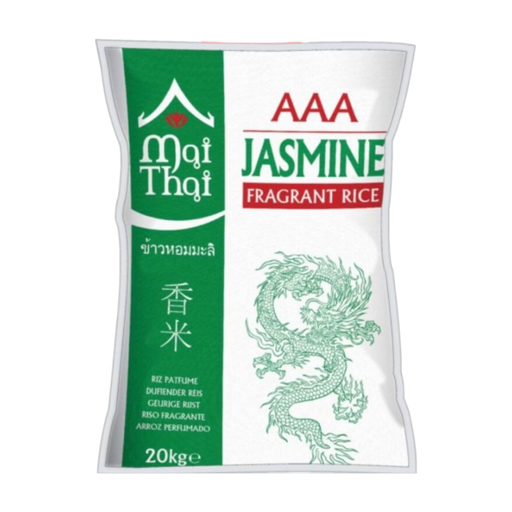
Why This Fits Their Persona: Ideal for restaurants, caterers, or large families who use jasmine rice frequently. This bulk bag offers excellent value while ensuring a consistent, high-quality product for every meal.
This is genuine AAA-grade Thai jasmine rice, not a generic long-grain variety. It sidesteps the "inauthentic" label trap by providing the correct grain for authentic Thai cuisine.
Provides a soft, aromatic and slightly sticky texture that is perfect for absorbing curries and sauces. The 20kg size is a cost-effective solution for high-volume needs.
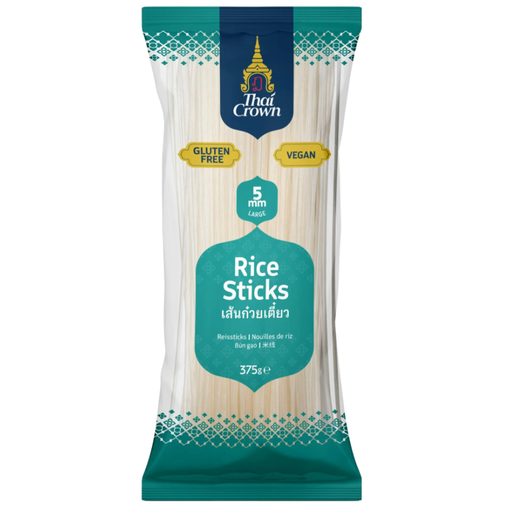
Why This Fits Their Persona: For the cook who wants to make a perfect Pad See Ew or other wide-noodle stir-fry. They understand that noodle width and texture are non-negotiable for an authentic result.
This product solves the "wrong tool for the job" pitfall. Its 5mm width is specifically suited for hearty stir-fries, unlike thinner noodles that would get lost or break apart in the sauce.
Made from high-quality rice, these noodles have a smooth texture that absorbs flavour well. They provide the satisfying, chewy bite that is characteristic of dishes like Pad See Ew.
We have compiled a complete, real-time list of products that fully satisfy these strict selection criteria and UK safety regulations.
Jasmine rice is grown primarily in Southeast Asia, has a subtle floral aroma and a soft, slightly sticky texture when cooked. It's ideal for Thai and Chinese dishes. Basmati rice, from the Indian subcontinent, has longer, more slender grains that cook up drier and more separate, making it perfect for biryanis and pilafs.
While you can, the result won't be authentic. The authentic Thai cooking ingredients for Pad Thai are flat rice noodles, typically around 3mm to 5mm wide. These are often called "rice sticks." Using very thin vermicelli will result in a mushy texture, while extra-wide noodles are better suited for Pad See Ew.
Once opened, a jar of curry paste should be sealed tightly and stored in the refrigerator. Generally, it will maintain good quality for at least one to two months. The oils may separate, but you can just stir it back together. Always check the packaging for specific storage advice from the manufacturer.