
24/7 Customer Support

Free returns

Same-day & Next-day Delivery

Quality Guaranteed

Unlock Your Welcome Offers: FREE Delivery | Up to 80% OFF | Free 30-day JoyPlus trial
Download the APP
As a Joybuy Product Recommendation Officer, my role is to help you navigate the crowded shelves and find products that deliver on their promise. Recreating the vibrant, complex flavours of Thai cuisine at home is a rewarding experience, but it can be frustrating when the results don't match your expectations. Often, the issue isn't your cooking skills, but the ingredients you're using.
Many UK shoppers find themselves disappointed after spending money on products that don't deliver that authentic taste. Before you fill your basket, let's look at a few common pitfalls to avoid.
To ensure you're getting value and authentic flavour, focus on a few core parameters. This simple checklist will help you buy with confidence, whether you're shopping at an Asian grocery online or in-store.
The secret to genuine Thai flavour lies in a specific blend of herbs and spices. Don't just look at the front of the pack; turn it over and read the ingredients.
It's crucial to know whether you're buying a concentrated paste or a ready-to-use sauce, as this will dramatically change how you cook.
The right carbohydrate is just as important as the sauce.
Based on these practical criteria, here are a few recommendations matched to different types of home cooks.
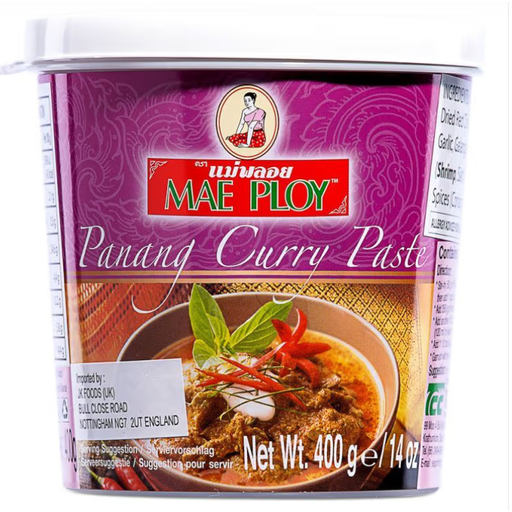
Why This Fits Their Persona: For the cook who wants to build flavour from a genuine base, Mae Ploy is a trusted brand known for its authentic, concentrated pastes. This allows for full control over the final dish's richness and spice level.
This is a true Thai curry paste, not a diluted "authentic-style" sauce. The 400g tub offers excellent value, avoiding the "small jar, big price" problem.
Concentrated flavour base for multiple meals. Ingredients like dried red chili, lemongrass and galangal are prominent.
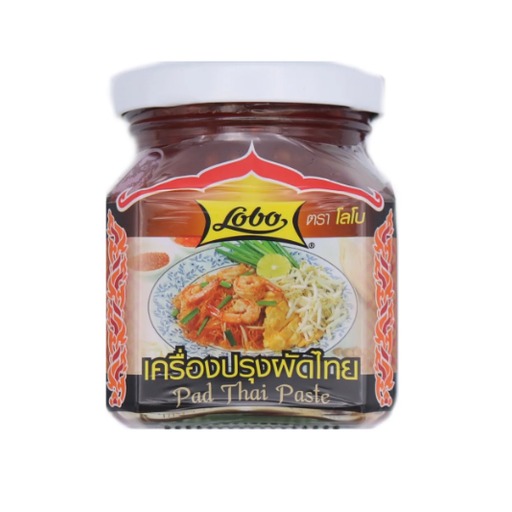
Why This Fits Their Persona: Perfect for someone who wants to master a specific dish. This paste provides the complex sweet, sour and savoury base needed for a genuine Pad Thai, allowing the cook to focus on adding fresh noodles, protein and vegetables.
This avoids the "all-in-one kit" compromise by providing a high-quality, dedicated pad thai paste. The ingredient list shows tamarind paste as a key component, not just sugar.
Creates a balanced flavour base for authentic Pad Thai. The 280g jar is convenient for multiple uses.
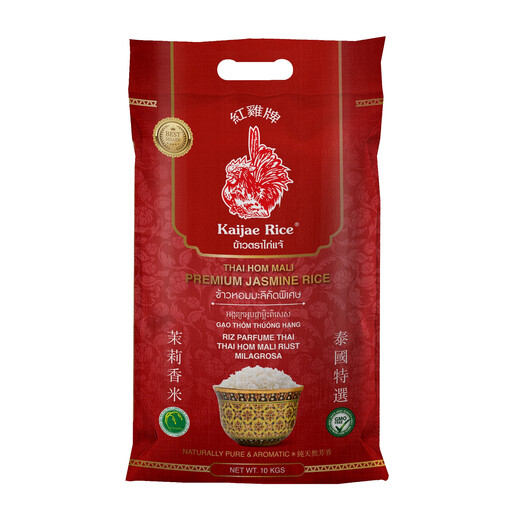
Why This Fits Their Persona: For households that use rice regularly, buying in bulk is the most economical choice. This 10kg bag ensures a constant supply of high-quality, fragrant jasmine rice, the perfect foundation for countless Thai meals.
This directly counters the trap of overpaying for small, 1kg supermarket bags. It provides a core staple, authentic jasmine rice, at a much lower cost per serving.
Excellent value for money. Premium authentic Thai Hom Mali rice for superior fragrance and fluffy texture.
We have compiled a complete, real-time list of products that fully satisfy these strict selection criteria and UK safety regulations.
Once opened, most curry pastes should be stored in the refrigerator with the lid sealed tightly. A layer of oil often forms on top, which helps to preserve the paste underneath. Generally, they will last for several weeks or even a few months, but always check the packaging for specific advice. If you notice any mould or an off smell, it should be discarded.
Yes, many authentic Thai ingredients are naturally vegan or gluten-free, but you must check the label carefully. Some curry pastes and sauces contain shrimp paste or fish sauce. However, brands are increasingly offering certified vegan versions that use ingredients like fermented soybean paste to create umami. Rice noodles and jasmine rice are naturally gluten-free. Always check for allergen statements regarding manufacturing facilities.
The primary difference lies in the type of chillies used and the addition of other ingredients.