
24/7 Customer Support

Free returns

Same-day & Next-day Delivery

Quality Guaranteed

Unlock Your Welcome Offers: FREE Delivery | Up to 80% OFF | Free 30-day JoyPlus trial
Download the APP
Buying Thai food online in the UK that shoppers can trust is not simply a matter of choosing the most colourful packaging. Whether you are preparing Pad Thai, stocking up on Thai snacks or looking for a convenient dessert, the product needs to match your cooking habits, storage space and dietary requirements.
Marketing language can also make comparison difficult. Words such as “authentic”, “traditional” and “restaurant-style” may describe a product’s positioning rather than provide useful information about its ingredients or preparation. This guide explains what to check before ordering authentic Thai ingredients, Thai sauces, Thai curry pastes, drinks and desserts online.
A seasoning paste or sauce may simplify preparation, but it may still require fresh meat, vegetables, noodles, rice or coconut milk. Check the serving guidance and included components before assuming a packet is a complete meal kit.
For example, a Pad Thai sauce mix may include sauce and crushed peanuts, but you may still need noodles, egg, protein and bean sprouts. Similarly, a Thai basil paste is a flavouring base rather than a ready-to-eat dish.
Thai food products can be ambient, chilled or frozen. Frozen Thai desserts require freezer space and careful handling, while opened sauces and pastes may need refrigeration. A product that looks convenient may be unsuitable if you cannot use it within the recommended period after opening.
Always check whether the packaging says to:
A product made in Thailand may offer a useful indication of origin, but it does not automatically suit every recipe or dietary preference. Ingredient lists, allergens, salt content and cooking instructions are more practical buying criteria.
This is particularly important for Thai cooking ingredients containing fish sauce, shrimp paste, peanuts, wheat, soy, milk or egg.
For classic Thai flavours, look for ingredients associated with the dish. Tamarind, fish sauce, chilli, garlic, shallot, lemongrass, galangal, coconut and Thai basil can all contribute different flavour characteristics.
A concentrated ingredient such as Thai shrimp paste or fish sauce is generally used in small quantities. These products can be high in salt, so compare the nutrition panel and follow recipe instructions rather than adding large amounts at once.
For desserts, check whether coconut cream, glutinous rice, banana, pandan or sago are included. Thai Crown Glutinous Rice Flour, for instance, is made from glutinous rice flour and is designed for cooked desserts and doughs. Despite the name, “glutinous” refers to its sticky texture and not to gluten content; packaging should still be checked for the latest allergen information.
Busy households may prefer ready-to-use Thai sauces, seasoning mixes or frozen desserts. Products such as Pad Thai sauce mix, Thai basil paste and satay seasoning reduce the number of separate ingredients needed.
However, “quick” does not always mean ready to eat. Banana fritter batter mix requires water, fruit and hot oil. Thai custard mix needs cooking and chilling. Frozen sticky rice with banana needs steaming or microwave heating until piping hot.
Read the full label before ordering, especially when buying for a family or group. Relevant products in this selection contain allergens including fish, crustaceans, peanuts, wheat, soy, milk, egg, sesame and coconut.
Also consider the stated yield. A 50g basil paste sachet is intended to season a family-style meal, while a 120g Pad Thai sauce mix is described as making two servings. This helps prevent buying too little or opening more sachets than necessary.
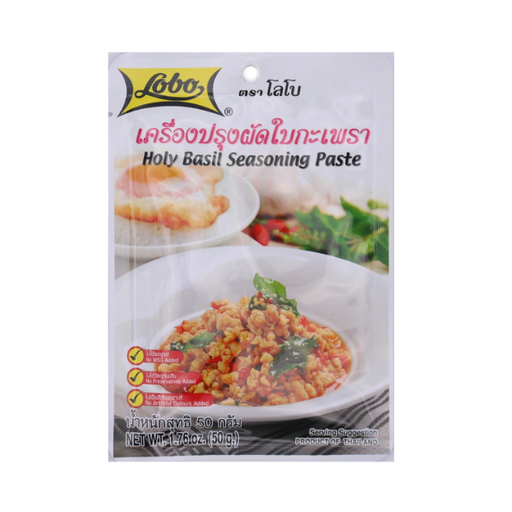
Why This Fits Their Persona: A portioned 50g sachet is practical for first-time cooks who want to prepare a Thai basil stir-fry without buying several separate seasonings.
The usage instructions explain that the paste is added during cooking with a small amount of water and a chosen protein or vegetable.
Made in Thailand; contains Thai basil leaves, chilli and garlic. Contains fish, soy and wheat, so check the label carefully.
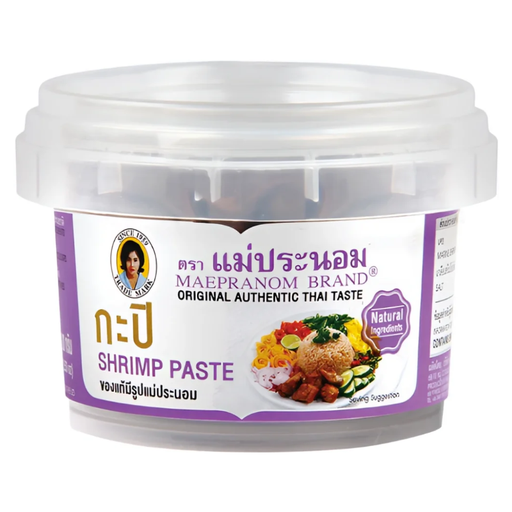
Why This Fits Their Persona: Suitable for cooks building a Thai pantry and preparing dishes such as Som Tum, curry pastes, dips and stir-fries.
Its concentrated format makes the intended small-quantity use clear, helping prevent waste from using a large amount in one recipe.
Ingredients are shrimp and salt; made in Thailand. Contains crustaceans and should be refrigerated after opening.
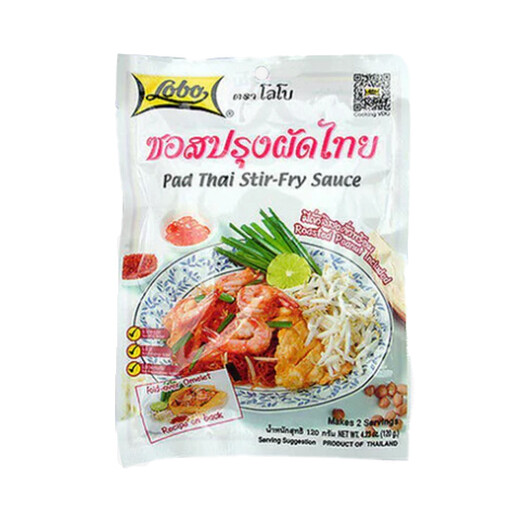
Why This Fits Their Persona: A focused choice for households regularly making Pad Thai and wanting a repeatable base for two servings.
The pack states the serving size and lists the extra noodles, protein, egg and vegetables needed, making the preparation scope clear.
Includes Pad Thai sauce and crushed roasted peanuts. Contains peanut and fish; the unopened packet should be stored in a cool, dry place.
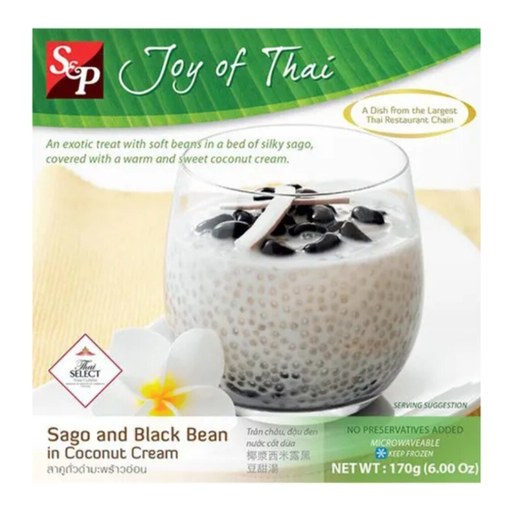
Why This Fits Their Persona: A convenient option for anyone exploring Thai dessert, coconut desserts or Southeast Asian sweet snacks at home.
The product is supplied as a prepared dessert rather than a dry mix, with instructions for defrosting or heating from frozen.
Contains black beans, sago and coconut cream; product of Thailand. Store at -18°C and do not refreeze after thawing.
We have compiled a complete, real-time list of products that fully satisfy these strict selection criteria and UK safety regulations.
Your choice can follow the meal you want to prepare:
You can browse Thai food products through specialist Asian groceries online and world food collections. Compare origin, ingredients, allergens, storage requirements and delivery suitability before placing an order.
Frozen products need appropriate storage on arrival. Check the product listing and delivery information, then transfer frozen desserts to a freezer promptly. Do not refreeze products that have thawed if the packaging advises against it.
Not always. Some dipping sauces are ready to use, while curry pastes, basil paste and seasoning mixes are intended to be cooked with other ingredients. Follow the preparation instructions and check whether refrigeration is required after opening.