
24/7 Customer Support

Free returns

Same-day & Next-day Delivery

Quality Guaranteed

Unlock Your Welcome Offers: FREE Delivery | Up to 80% OFF | Free 30-day JoyPlus trial
Download the APP
Thai jasmine rice is valued for its naturally floral aroma, long grains and soft texture when cooked. It is a familiar pairing for Thai curries, stir-fries, grilled foods and vegetable dishes, but choosing the right bag in the UK can be less straightforward than it appears.
Labels such as AAA jasmine rice, Thai Hom Mali rice and premium jasmine rice do not always tell you everything about origin, format or suitability. A low-priced bag may be sensible for regular meals, while a larger pack may offer better value for a family or catering kitchen—but only if you can store it properly.
Below are the main buying pitfalls and specifications to check before ordering Thai rice online.
“Jasmine rice” describes a fragrant long-grain rice style, while Thai Hom Mali rice refers to a recognised Thai variety. Check the ingredient list and country-of-origin information rather than relying only on front-of-pack wording.
For example, several products in this range are made in Thailand, while the Mai Thai AAA products specify Cambodia as their country of origin. This does not automatically make one option unsuitable, but it matters if you specifically want authentic Thai rice or rice carrying Thai-origin information.
AAA is commonly used in product names for selected fragrant rice, but cooking results still depend on the grain, rinse method, water ratio, pan and appliance. Marketing language about aroma or texture should be treated as an indication, not a guarantee.
Look for practical details such as 100% rice ingredients, recommended water ratios and cooking times. These provide more useful information than broad quality language alone.
A 10kg or 20kg bag can suit frequent cooks, restaurants and caterers, but dry rice needs a cool, dry storage area. Once opened, transfer it to airtight containers or reseal the packaging securely to reduce exposure to moisture and pests.
For occasional cooks, a 1kg or 2kg bag may be easier to use while retaining freshness. A 5kg pack is often a practical middle ground for families.
Thai jasmine rice is a long-grain rice, although its grains are generally softer and more aromatic than basmati. When cooked correctly, it should be tender and fluffy, with a slight natural cling that works well with sauces.
Choose white jasmine rice for everyday curries, rice bowls and stir-fries. Brown jasmine rice retains its bran layer and usually has a firmer, chewier texture, while black jasmine rice has a deep colour and more pronounced nutty character. These alternatives typically need more water and longer cooking.
Many dry products list 100% jasmine rice and are suitable for vegetarian and vegan diets. However, do not assume every fragrant rice product is identical. Ready-to-eat formats may include oil, butter or seasoning.
For example, microwave jasmine rice can contain added rice bran oil, while butter-seasoned rice contains milk. Always check the ingredient list and allergen declaration, particularly if you need gluten-free food or are cooking for someone with allergies. Product information and packaging should take priority if details change.
Consider how often you serve rice:
Cooking instructions also vary. Many dry products suggest a 1:1.5 rice-to-water ratio, while brown or black varieties may require more water and extra cooking time. Rinsing until the water runs mostly clear can help remove surface starch and produce a lighter result.

Why This Fits Their Persona: The 1kg format lets smaller UK households try Thai Hom Mali rice without committing to a large bag. It suits occasional curry nights and everyday portions.
The listing identifies 100% jasmine rice and states Thailand as the country of origin, helping shoppers distinguish origin from general fragrant-rice wording.
1kg pack; listed as naturally gluten-free and suitable for vegans; recommended 1:1.5 cooking ratio.
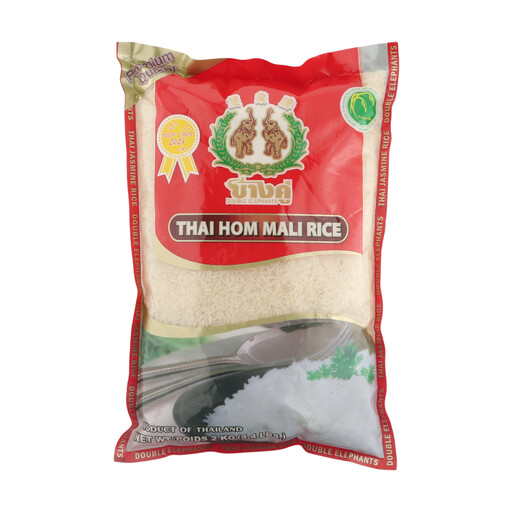
Why This Fits Their Persona: This 2kg option is suitable for cooks who want a named AAA jasmine rice format for Thai meals without moving straight to a 5kg or 10kg purchase.
The listing gives a clear Thai country of origin, ingredient information and cooking method rather than relying only on aroma-led descriptions.
2kg pack; 100% jasmine rice listed; no listed allergens; suitable for curries, stir-fries and steamed dishes.
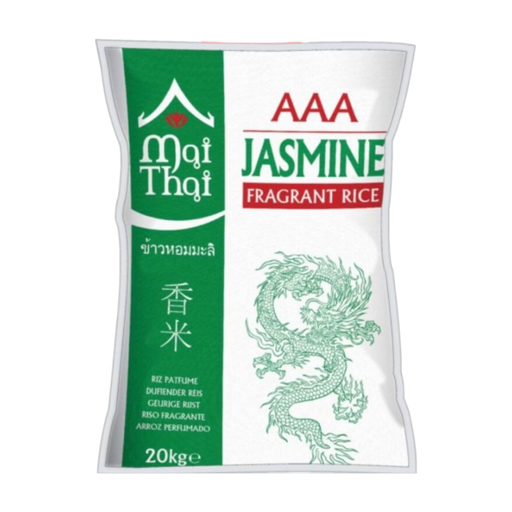
Why This Fits Their Persona: A 20kg bag is intended for restaurants, caterers, food-service kitchens and large households that cook rice frequently and have suitable dry storage.
The product page states the net quantity clearly and provides storage and food-safety guidance, making the bulk commitment easier to assess.
20kg bulk jasmine rice format; long-grain profile; suited to curries, stir-fries and high-volume meal preparation.
We have compiled a complete, real-time list of products that fully satisfy these strict selection criteria and UK safety regulations.
For most white jasmine rice, rinse the grains under cold water, then use the ratio shown on the packaging. A common starting point is one measure of rice to 1.5 measures of water. Simmer with the lid on, allow the rice to stand after cooking, then fluff gently with a fork.
Cooked rice should be handled carefully. Serve promptly, cool leftovers quickly if keeping them, refrigerate them and reheat thoroughly. Follow the specific storage guidance on the pack, as microwave jasmine rice and dry rice have different requirements.
Plain rice is naturally gluten-free, but packaged products can have different handling or ingredient declarations. Check the label carefully, especially for seasoned, microwave or flavoured products. Some listings may also provide shared-facility warnings.
This depends on portion size and frequency. A 5kg bag can suit a family that serves rice several times a week, while a 10kg or 20kg bag is more appropriate for regular bulk use. Store opened rice in an airtight container and follow the best-before guidance on the packaging.
Microwave rice generally offers convenience rather than the lowest cost per serving. It can be useful for packed lunches, quick dinners or single portions, while dry Thai jasmine rice is usually more practical for families, meal preparation and catering.