
24/7 Customer Support

Free returns

Same-day & Next-day Delivery

Quality Guaranteed

Unlock Your Welcome Offers: FREE Delivery | Up to 80% OFF | Free 30-day JoyPlus trial
Download the APP
Choosing the right rice can feel surprisingly complex. You stand in the aisle, faced with a wall of options, all promising an authentic taste of Thailand. Should you go for classic white, wholesome brown or the more exotic black variety? Getting it right is the key to perfecting that fragrant curry or fluffy side dish.
As the Joybuy Product Recommendation Officer, my role is to help you navigate these choices. This guide cuts through the clutter, offering straightforward advice on selecting the perfect Thai jasmine rice for your kitchen, based on grain type, cooking style and dietary preferences.
Before we look at specific products, here are a few practical points to consider when making your selection.
The colour of the rice isn't just for show; it indicates how much of the grain has been processed.
All jasmine rice is known for its fragrant, popcorn-like scent. However, the texture can vary. While it's sometimes called sticky rice, it is different from glutinous rice used in desserts. Cooked jasmine rice grains should be moist and soft, clinging together slightly, which makes them perfect for soaking up the flavours of curries and stir-fries. It is also a naturally gluten-free rice, making it a suitable choice for those with coeliac disease or gluten sensitivities.
Consider how often you cook with jasmine rice. A 1kg bag is ideal for trying a new type, like brown jasmine rice or black jasmine rice, without a big commitment. For households that enjoy Thai or Southeast Asian cuisine regularly, a larger 5kg jasmine rice bag offers better value and ensures you always have this pantry staple on hand.
Here are a few standout options that cater to different tastes and cooking needs.

Why It Stands Out: This rice delivers the signature aroma of jasmine with the added nutritional benefits of a whole grain. By retaining the bran layer, it offers a higher fibre content, which can contribute to a feeling of fullness. Its nutty flavour profile adds a new dimension to traditional dishes.
Pros:
Who is it for? This is an excellent choice for anyone looking to incorporate more whole grains into their diet without sacrificing the fragrant qualities of jasmine rice. It's perfect for health-conscious individuals and families.

Why It Stands Out: Tilda is a trusted name, and this product delivers on its reputation for quality. The grains are graded as AAA Quality, ensuring a consistent, long-grain rice that cooks up beautifully. The large 5kg bag offers great value for those who use jasmine rice frequently.
Pros:
Who is it for? Ideal for families and avid home cooks who prepare Thai and other Southeast Asian dishes regularly. If you want a dependable, classic white jasmine rice that you can buy in bulk, this is a solid choice.
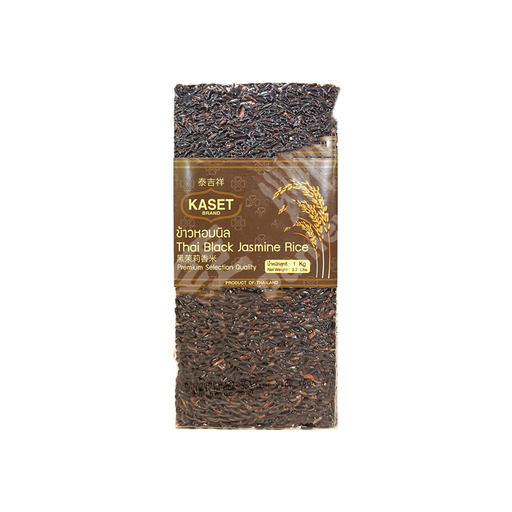
Why It Stands Out: This black jasmine rice is a showstopper. Its deep, dark colour creates a stunning visual contrast on the plate, instantly elevating any meal. As an unpolished whole grain, it's packed with nutrients and offers a unique, chewy texture and earthy flavour that pairs wonderfully with grilled fish, vegetables and rich sauces.
Pros:
Who is it for? This rice is for the creative cook who loves to experiment with new ingredients and impress guests. It's also a fantastic option for anyone seeking to maximise the nutritional value of their meals.
Our recommendations cover a spectrum of tastes, from the classic to the contemporary. However, the world of fragrant rice is vast. If you're searching for a different pack size or another specific variety to suit your culinary needs, there are many more choices available.
Explore our full collection of jasmine rice to find the perfect match for your pantry.
No, they are different. While cooked jasmine rice has a soft, slightly clingy texture, true "sticky rice" (also known as glutinous rice) is a separate variety. It has a much higher content of a starch called amylopectin, which makes it very sticky and opaque when cooked. It's typically used for specific dishes like mango sticky rice.
Yes, it is highly recommended. Rinsing the rice in cold water a few times before cooking removes excess surface starch. This simple step helps prevent the grains from becoming overly gummy and results in a fluffier, more pleasant texture where the individual grains remain more distinct.
Brown jasmine rice is a whole grain rice, which means it contains all parts of the grain: the bran, germ and endosperm. The bran and germ provide dietary fibre, vitamins and minerals. White jasmine rice has had the bran and germ removed, so it contains less fibre and fewer nutrients. For this reason, many consider brown rice to be a healthier option for everyday meals.