
24/7 Customer Support

Free returns

Same-day & Next-day Delivery

Quality Guaranteed

Unlock Your Welcome Offers: FREE Delivery | Up to 80% OFF | Free 30-day JoyPlus trial
Download the APP
Finding the right Thai jasmine rice can elevate a simple meal into something truly special. Yet, with so many options on the shelf, from different brands to various grain colours, choosing the perfect bag can feel overwhelming. Are you looking for the softest, most fragrant rice for a classic green curry, or a nutritious whole-grain option for a healthy weeknight stir-fry?
As a Joybuy Product Recommendation Officer, my role is to help you navigate these choices. This guide offers practical advice and highlights some excellent options available, so you can confidently select the ideal Thai jasmine rice for your kitchen.
Before we look at specific products, here are a few key points to consider that will help you make an informed decision.
When shopping for premium fragrant rice, you may notice a green and gold seal on the packaging. This is the Thai Hom Mali certification mark, issued by the Thai government's Department of Foreign Trade. It guarantees that the rice is a prime-grade, authentic jasmine rice grown in specific regions of Thailand, ensuring a high standard of quality, purity and aroma. If you're seeking that classic, aromatic experience, looking for this seal is a reliable starting point.
The variety of jasmine rice you choose will impact your dish's flavour, texture and nutritional profile.
Think about how often you cook with rice. A large 5kg rice bag can offer excellent value for families or anyone who uses rice several times a week. For those who cook it less frequently or wish to try different types, a 1kg bag is more practical. To preserve the signature fragrance, always store your rice in a cool, dry place in an airtight container after opening.
Based on quality, culinary application and user needs, here are our recommendations to help you find a suitable match.
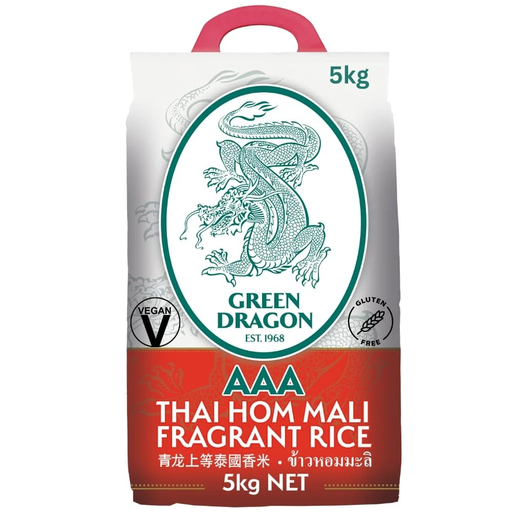
Why It Stands Out: This rice represents the classic, high-quality Thai Hom Mali rice experience. Its AAA-grade classification signifies a high percentage of whole, long grains, ensuring a consistently soft and fluffy texture. When cooked, it releases the distinct, comforting aroma that jasmine rice is famous for, making it a dependable foundation for any authentic Asian dish.
Pros:
Who is it for?: Families, frequent home cooks and anyone who considers high-quality white jasmine rice a staple in their pantry. It is an ideal choice for those wanting an authentic base for their Thai and other Asian meals.
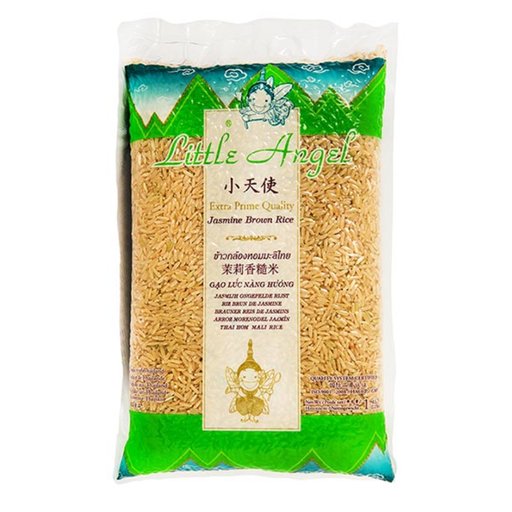
Why It Stands Out: This brown jasmine rice successfully balances nutrition with the desirable aromatic qualities of jasmine rice. It provides the health benefits of a whole grain rice, including higher dietary fibre, while still offering a subtle jasmine fragrance. Its pleasantly chewy texture and nutty flavour profile make it a versatile and satisfying alternative to white rice.
Pros:
Who is it for?: Health-conscious individuals looking for a whole-grain alternative, or home cooks who enjoy a chewier texture and nuttier flavour in their rice dishes.
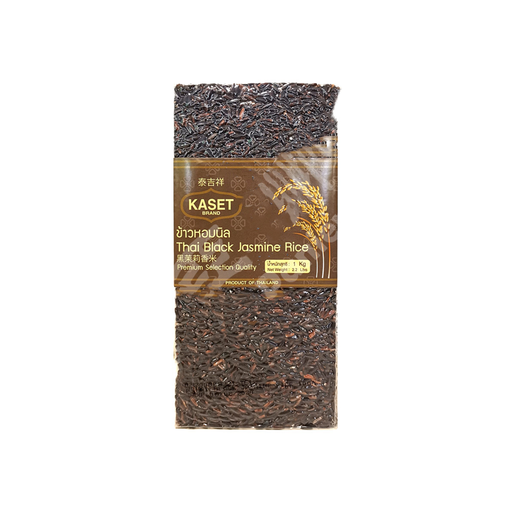
Why It Stands Out: With its dramatic deep purple-black hue and unique flavour, this black jasmine rice is a memorable choice. As an unpolished grain, it retains its nutrient-rich bran layer, offering a distinct earthy taste and a firm, satisfying chew. It brings a visual and textural excitement to the plate that sets it apart from other rice varieties.
Pros:
Who is it for?: Adventurous cooks and food enthusiasts wanting to add visual flair and a unique taste to their meals. It is also an excellent choice for those seeking a nutrient-dense whole grain rice.
While these are our top recommendations for specific needs, the world of Thai rice is vast. If you're looking for different brands, pack sizes, or other varieties, we've curated a broader selection for you to explore.
Discover our full range of Fragrant Thai Jasmine Rice to find the perfect match for your kitchen.
What is the difference between Thai jasmine rice and regular long-grain white rice? The main differences are the aroma and texture. Thai jasmine rice, particularly Thai Hom Mali rice, has a natural, fragrant aroma often compared to pandan leaves. When cooked, it is softer and slightly stickier than regular long-grain rice, which tends to be firmer with more separate grains.
How should I cook Thai jasmine rice for the best results? Rinsing the rice under cold water before cooking is recommended to remove excess starch, which helps achieve a fluffier texture. A common water-to-rice ratio is 1.5 parts water to 1 part rice for white jasmine. For brown jasmine rice and black jasmine rice, you will typically need more water (around 1.75 to 2 parts) and a longer cooking time. Always check the package for specific instructions.
Is Thai jasmine rice gluten-free? Yes, all natural varieties of rice, including white, brown and black Thai jasmine rice, are inherently gluten-free. This makes them a suitable carbohydrate choice for individuals with coeliac disease or a sensitivity to gluten.