
24/7 Customer Support

Free returns

Same-day & Next-day Delivery

Quality Guaranteed

Unlock Your Welcome Offers: FREE Delivery | Up to 80% OFF | Free 30-day JoyPlus trial
Download the APP
Bringing the vibrant, aromatic flavours of Thai street food into your kitchen is a rewarding experience. Yet, the journey often starts with a confusing trip down the supermarket aisle. The sheer variety of Thai noodles can be overwhelming and it's easy to make a purchase you later regret. As a Joybuy Product Recommendation Officer, my role is to help you navigate the options and select the right product for your culinary goals, without falling for common marketing traps.
Many home cooks find themselves disappointed after their first attempt at a Thai stir fry or soup. The most frequent issues often stem from the noodles themselves. Let's look at two common pitfalls:
By understanding a few core principles, you can confidently choose the right Thai noodles and avoid these frustrations, ensuring your home-cooked meal is a success.
To get the texture and flavour absorption right, you need to look beyond the front-of-pack claims. Focus on these two key parameters to match the noodles to your needs.
The type of noodle is the single most important factor for achieving the right texture. Thai cuisine uses several distinct varieties, each suited for different cooking methods.
How the noodles are sold determines the effort required. Your choice depends on whether you prioritise a quick meal or authentic preparation.
To help you choose, we've matched some reliable options to different cooking styles and needs.
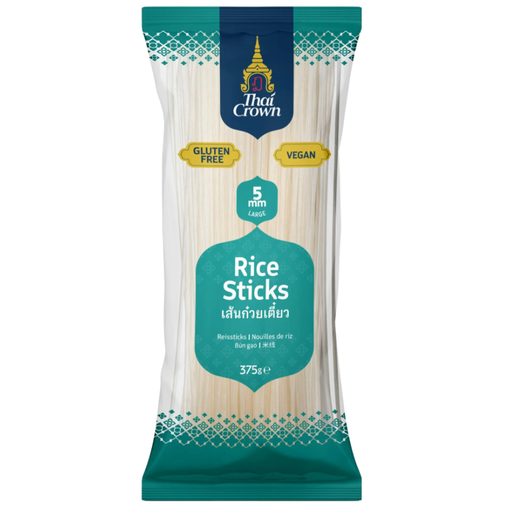
Why This Fits Their Persona: For those wanting to recreate restaurant-quality dishes like Pad Thai or Pad See Ew from scratch, these dried rice stick noodles provide the perfect blank canvas. They offer full control over the cooking process, allowing you to achieve the ideal chewy texture.
This product avoids the "mushy noodle" problem. Made from quality rice, these noodles hold their structure well after soaking and stir-frying, preventing them from breaking down into a paste in the wok.
The 5mm width is highly versatile for various stir-fries. The neutral flavour profile is designed to absorb sauces beautifully, ensuring a flavourful result every time.
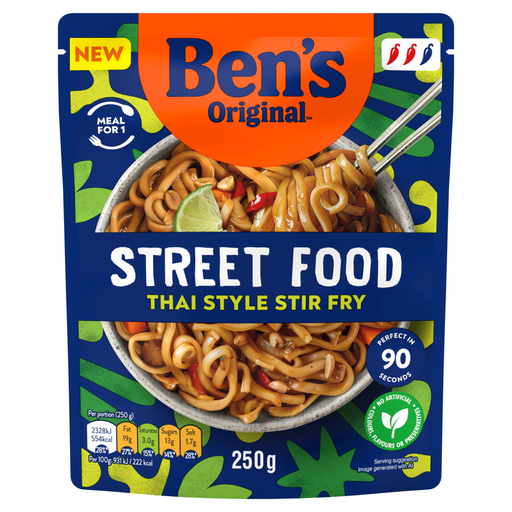
Why This Fits Their Persona: When time is short, a complete, ready-to-heat meal is the perfect solution. This pouch offers a full Thai stir fry experience for one, ready in just 90 seconds in the microwave, making it ideal for a quick office lunch or an effortless dinner.
This product sidesteps the "authenticity" trap by focusing on convenience and flavour. It delivers a satisfying Thai-inspired taste without requiring you to buy multiple ingredients or worry about noodle preparation.
The main advantage is speed and simplicity. The noodles are already cooked and combined with vegetables and a peanut-chilli sauce, eliminating all guesswork and preparation time.
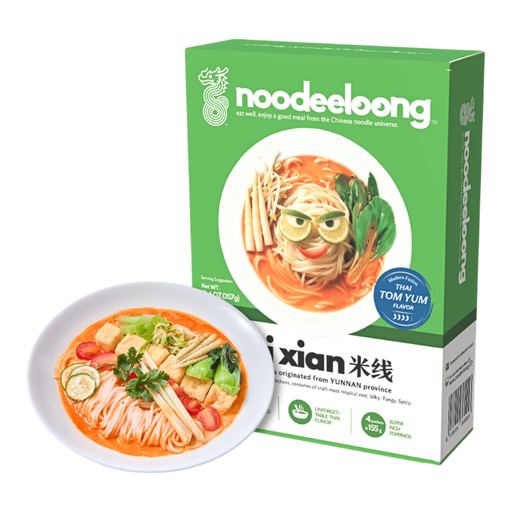
Why This Fits Their Persona: For those craving the specific hot-and-sour kick of Tom Yum noodles without the hassle, this kit is an excellent find. It provides a complete meal solution with noodles, a complex sauce paste, pre-cooked vegetables and even fried tofu.
This kit avoids disappointment by providing all the components for a rich, layered flavour profile. Unlike basic instant noodles, it includes separate sachets for sauce, vegetables and tofu to create a more substantial and authentic-tasting soup.
Its key advantage is delivering a complex, multi-textured meal in minutes. The combination of smooth rice noodles with a tangy broth, bamboo shoots and tofu offers a satisfying and complete dining experience.
We have compiled a complete, real-time list of products that fully satisfy these strict selection criteria and UK safety regulations.
"Pad Thai noodles" typically refer to flat, dried rice stick noodles (Sen Lek) that are around 1mm to 5mm wide. Their defining characteristic is their ability to become soft yet chewy after soaking and to absorb the classic sweet, sour and savoury Pad Thai sauce without becoming mushy. While other rice noodles like wide Sen Yai or thin vermicelli can be used in stir-fries, the medium-width rice stick is the traditional and most suitable choice for an authentic Pad Thai.
Clumping is a common issue, but it can be prevented with the right technique. First, do not over-soak the noodles; they should be pliable but still firm. After boiling or soaking, immediately drain them and rinse thoroughly with cold water. This washes off excess starch, which is the primary cause of stickiness. If you're not using them right away, toss them with a small amount of neutral oil (like sunflower or vegetable oil) to keep the strands separated.
Instant Thai noodles are designed for convenience and flavour, and like many convenience foods, they should be enjoyed as part of a balanced diet. They can be higher in sodium and saturated fats. To make them a more balanced meal, consider adding fresh ingredients like steamed vegetables (bean sprouts, pak choi), a lean protein source (grilled chicken, prawns, or tofu) and fresh herbs like coriander or spring onions. Always check the nutritional information on the packaging to make an informed choice.