
24/7 Customer Support

Free returns

Same-day & Next-day Delivery

Quality Guaranteed

Unlock Your Welcome Offers: FREE Delivery | Up to 80% OFF | Free 30-day JoyPlus trial
Download the APP
The rich, aromatic warmth of a well-made Thai red curry is a true comfort. Yet, trying to recreate that perfect balance of spicy, sweet and savoury flavours at home can feel daunting. With so many options on the shelves—from pastes and sauces to complete kits—it’s easy to feel lost.
This guide is designed to help you navigate the choices. As the Joybuy Product Recommendation Officer, my role is to provide clear, practical advice to help you select the right product for your cooking style, schedule and desired level of authenticity. Whether you're a seasoned home cook or just starting your culinary adventures, we'll help you find the ideal starting point for a delicious homemade Thai red curry.
Before you buy, it’s helpful to understand the main types of products available. Each offers a different balance of convenience and creative control.
thai red curry kit provides pre-portioned ingredients like curry paste, coconut milk and sometimes dried herbs. It takes the guesswork out of measuring and sourcing, offering a guided path to a flavourful meal.homemade thai red curry experience, a quality red curry paste is the cornerstone. It gives you complete control over the final dish. You can adjust the intensity, add your own fresh ingredients and decide on the creaminess by choosing your own coconut milk. A tub of paste is also more economical if you plan to make curry regularly.easy thai red curry. These ready-to-use sauces have the paste, coconut milk and seasonings already combined. You simply heat the sauce, add your protein and vegetables, and simmer until cooked. It's the fastest way to get a curry on the table.A truly authentic Thai red curry gets its complex flavour from a specific blend of ingredients. When checking the label, look for key components like lemongrass, galangal (a relative of ginger), kaffir lime and dried red chillies. Many traditional pastes also include shrimp paste for a deep, savoury flavour, so be sure to check the ingredients list for allergens like crustaceans, fish, or notes about production in facilities that handle peanuts or soya.
Here are three excellent options that cater to different needs, from ultimate convenience to authentic, from-scratch cooking.
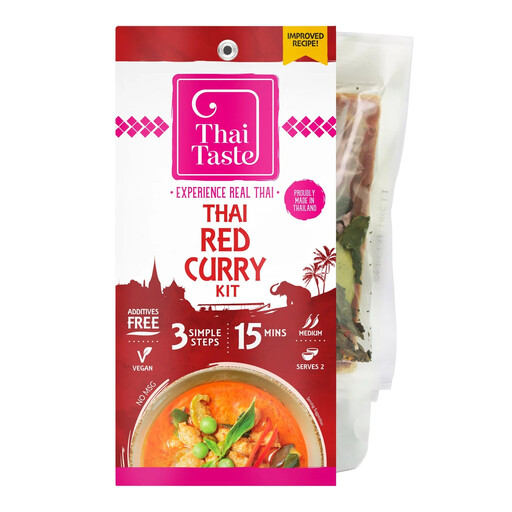
Why It Stands Out: This kit provides everything you need for a complete, aromatic curry base in one box. It includes separate sachets of red curry paste, coconut milk and whole dried spices, allowing you to build layers of flavour quickly and easily.
Pros:
Who is it for?: Busy professionals, couples or anyone new to Thai cooking who wants a reliable, restaurant-style result without the hassle of sourcing multiple ingredients.
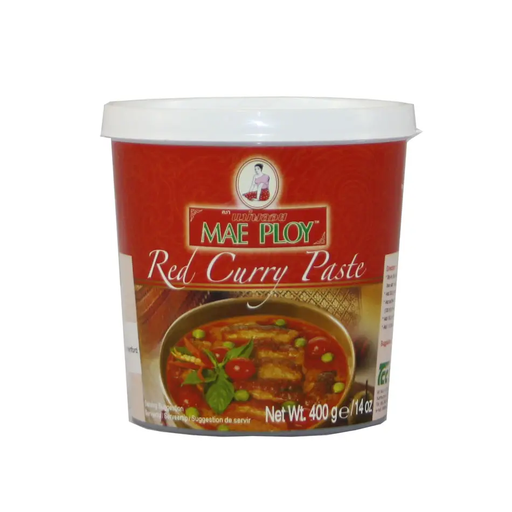
Why It Stands Out: Mae Ploy is a go-to brand for many who value an authentic depth of flavour. This large, resealable tub of concentrated red curry paste offers fantastic value and versatility for the home cook who wants to do more than just make curry.
Pros:
Who is it for?: Foodies and regular home cooks who enjoy building a homemade thai red curry from scratch, controlling the spice level and using the paste for various other Thai-inspired dishes.
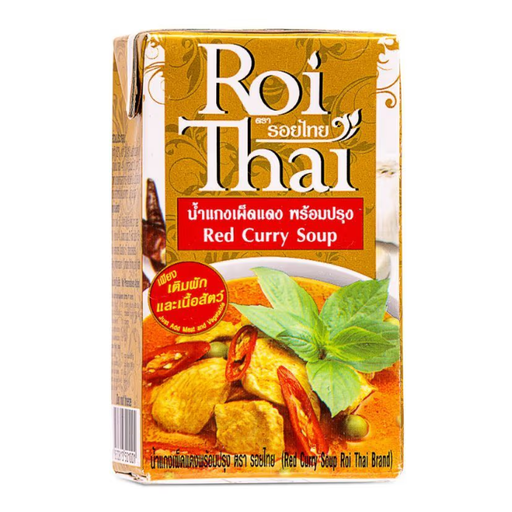
Why It Stands Out: This thai red curry sauce is the definition of convenience. It delivers a balanced and flavourful curry base straight from the carton, eliminating the need to fry paste or measure coconut milk. It's the perfect weeknight shortcut.
Pros:
Who is it for?: Busy parents, students or anyone looking for the quickest and most straightforward way to enjoy a flavourful Thai red curry at home after a long day.
If these recommendations aren't quite what you're looking for, or if you have specific dietary preferences, there are many other excellent products to discover. From vegan pastes to extra-spicy kits, you can find the perfect fit for your kitchen.
Explore our full range of red Thai curry products.
The primary difference lies in the chillies used. Red curry is made with dried red chillies, giving it a deep, fiery flavour. Green curry uses fresh green chillies, which often makes it the spiciest and most fragrant of the three. Yellow curry is milder and gets its colour from turmeric, often featuring a sweeter, richer profile with spices like cumin and coriander.
If you are using a paste, the easiest way is to start with less than the recipe calls for and add more to taste. You can also temper the heat by adding more coconut milk, a splash of stock or a pinch of sugar to balance the flavours. For ready-made sauces, adding a bit of extra coconut cream can help mellow the spice.
Many vegetables work beautifully. Popular choices that hold their texture well include bamboo shoots, bell peppers, courgettes and green beans. For a touch of sweetness that complements the spice, you can also add chunks of pineapple or butternut squash.