
24/7 Customer Support

Free returns

Same-day & Next-day Delivery

Quality Guaranteed

Unlock Your Welcome Offers: FREE Delivery | Up to 80% OFF | Free 30-day JoyPlus trial
Download the APP
Navigating the world of Thai rice can feel complex, especially when you want to recreate an authentic dish at home. Whether you need the perfect fluffy grain for a green curry or a chewy base for a classic dessert, choosing the right type is crucial. This guide is designed to simplify your selection process, breaking down the key varieties of fragrant rice and helping you find the ideal match for your culinary needs.
Before adding a bag to your basket, consider a few key factors. Understanding these differences will ensure you get the texture and flavour you're looking for.
The two most prominent categories of Thai rice are Jasmine and glutinous.
Like other grains, Thai rice comes in different forms that affect its flavour, texture and nutritional profile.
Here are a few standout options available in the UK, each suited for different culinary purposes.

Why It Stands Out: This is a classic Thai jasmine rice with a premium AAA Quality Grade. It delivers the characteristic soft texture and sweet, floral aroma that makes it a perfect companion for a wide array of Southeast Asian dishes. The large 5kg pack size offers great value for regular use.
Pros:
Who is it for?: Home cooks who frequently prepare Thai or other Asian cuisines and need a reliable, high-quality fragrant rice as a staple in their pantry.
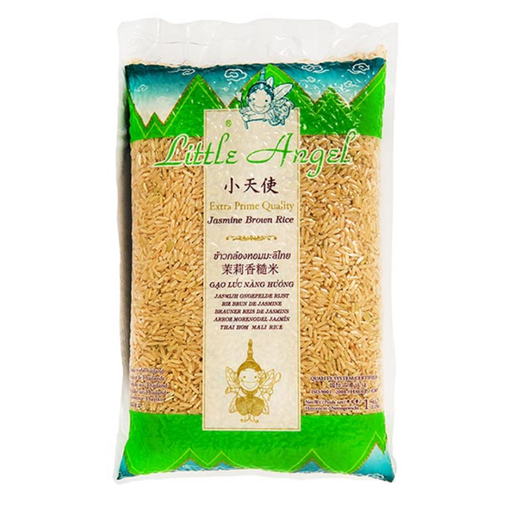
Why It Stands Out: This brown jasmine rice provides the aromatic qualities of jasmine with the added nutritional benefits of a whole grain rice. It has a pleasantly chewy texture and a nuttier flavour profile that works well in stir-fries, pilafs and as a wholesome side dish.
Pros:
Who is it for?: Individuals looking for a more nutritious alternative to white rice without sacrificing the signature aroma of jasmine. It's excellent for everyday meals, salads and healthy bowls.
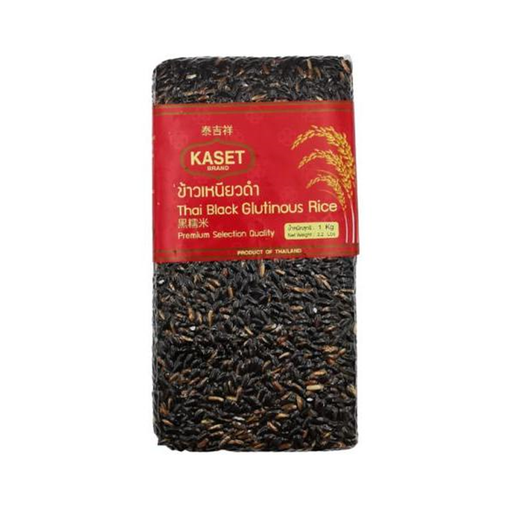
Why It Stands Out: This black glutinous rice is a type of Thai sticky rice prized for its striking deep purple colour, nutty taste and chewy texture. It is an unprocessed whole grain rice rich in natural antioxidants. It's the key ingredient for creating visually appealing and delicious Southeast Asian desserts, like black sticky rice pudding.
Pros:
Who is it for?: Adventurous cooks and dessert lovers who want to create authentic Thai sweets or add a nutritious and colourful grain to their salads and side dishes.
If you haven't found the perfect grain for your pantry or are curious about other varieties, there are many more choices to discover. Explore our full collection of Thai rice to find different pack sizes and types to suit your cooking style.
1. What is the difference between Thai jasmine rice and regular long-grain white rice? The main difference is the aroma and texture. Thai jasmine rice has a distinct, natural floral fragrance (often compared to pandan leaves) that is absent in regular long-grain rice. When cooked, it also has a softer, moister and slightly stickier consistency, whereas other long-grain white rices tend to be firmer and more separate.
2. Is all Thai rice gluten-free? Yes, all varieties of rice, including Thai jasmine rice, brown rice and glutinous (sticky) rice, are naturally a gluten-free rice. The term "glutinous" in sticky rice refers to its glue-like, sticky texture after cooking, not the presence of gluten protein. This makes it a suitable choice for individuals with coeliac disease or gluten sensitivity.
3. How should I store Thai rice to keep it fresh? To maintain its quality and aroma, store Thai rice in a cool, dry place away from direct sunlight and moisture. After opening the package, it is a good practice to transfer the rice to an airtight container. This helps protect it from pests and prevents the grains from absorbing other odours, preserving the delicate fragrance of varieties like Jasmine rice.