
24/7 Customer Support

Free returns

Same-day & Next-day Delivery

Quality Guaranteed

Unlock Your Welcome Offers: FREE Delivery | Up to 80% OFF | Free 30-day JoyPlus trial
Download the APP
A good bottle of Thai sweet chilli sauce is a true kitchen hero in the UK. It can transform a simple plate of spring rolls, add a sticky glaze to chicken or liven up a stir-fry. But with supermarket shelves full of options, it's easy to pick a bottle that disappoints. Many look the part but fail to deliver on flavour, texture or even basic ingredients.
As a Joybuy Product Recommendation Officer, my role is to help you see past the marketing and choose a product that genuinely suits your needs. Before you add a bottle to your basket, be aware of these common pitfalls that can lead to a poor purchase.
To avoid disappointment, focus on a few key details on the label. These objective factors will tell you more about the sauce's quality than any flashy branding.
The heart of any Thai sweet chilli sauce is, of course, the chilli. The chilli percentage is a direct indicator of flavour intensity and heat. A sauce with 20% or more chillies will generally have a more robust and spicy character than one with 12% or less. Also, note whether the ingredients list fresh or pickled chillies; pickled chillies often add a sharper, more acidic note.
Equally important is the sweetener. While sugar is the traditional base, many mass-market sauces use glucose-fructose syrup. This can create an overly sweet taste that masks the more subtle garlic and chilli flavours. For a more balanced and authentic Thai sauce, look for sugar listed as the primary sweetener.
The texture determines whether a sauce is a perfect sauce for spring rolls or a runny disappointment. The consistency comes from thickeners. Common ones include modified tapioca starch, modified maize starch or xanthan gum. These ingredients are not inherently bad—they are crucial for creating that classic, sticky and dippable texture. A sauce with a well-chosen thickener will cling to food, making it an excellent glaze or sweet chilli dipping sauce, rather than pooling at the bottom of the plate.
For many households, this is a non-negotiable checkpoint. If you need a gluten free chilli sauce, carefully check the ingredients for any mention of "wheat starch". Many quality options are naturally gluten-free, but it's never safe to assume. The same applies to other allergens like soy, peanuts and sesame, which are sometimes handled in the same facility. Reputable brands will clearly state this information on the label.
Instead of a single "best" sauce, the right choice depends on how you plan to use it. Here are a few recommendations matched to different needs and preferences.
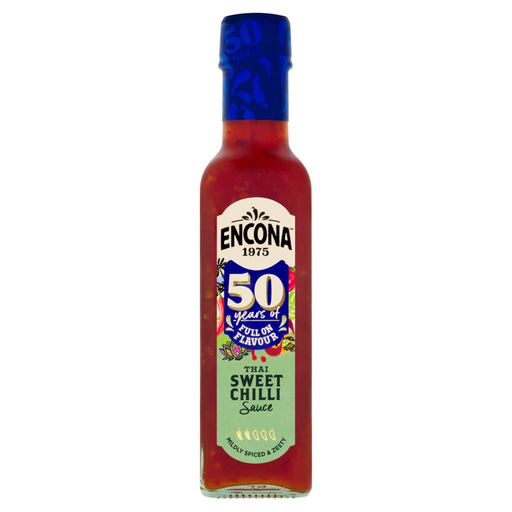
Why This Fits Their Persona: This is an excellent all-rounder for anyone needing a reliable sauce for dipping chips, chicken nuggets or drizzling over wraps. Its mild heat level makes it suitable for families and those who prefer flavour over intense spice.
It avoids the allergen trap with a clear ingredients list that contains no major allergens, making it a straightforward and safe choice for general use.
A balanced, crowd-pleasing flavour profile that is versatile enough for dipping, glazing and cooking. The 220ml bottle is a convenient size for smaller households.
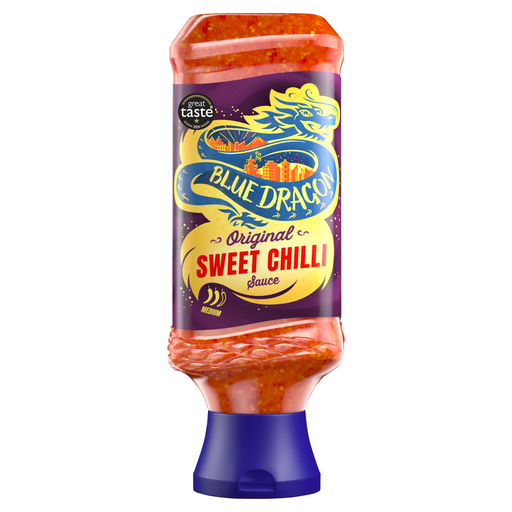
Why This Fits Their Persona: For the home cook who values authenticity, this sauce is made in Thailand with a high content of red chillies (20%) and garlic. It's for those who want a flavour profile closer to what you'd find in a restaurant.
It directly counters the "authentic flavour" illusion by using a high percentage of chillies and garlic and being produced in Thailand. It is also gluten-free, avoiding the hidden allergen trap.
A rich, sticky consistency perfect for dipping and glazing. The flavour is a well-regarded balance of sweet, tangy and garlicky heat.
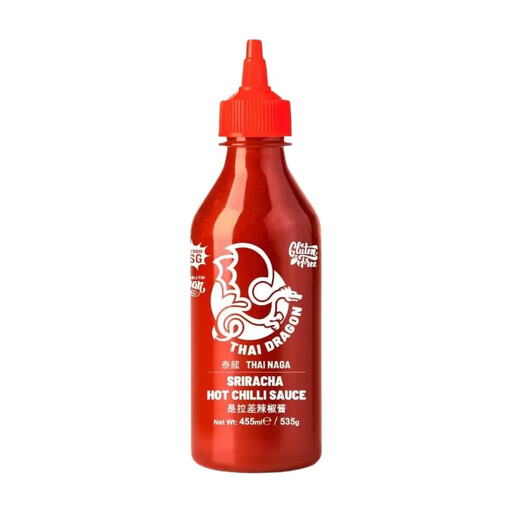
Why This Fits Their Persona: This is not a mild sweet chilli sauce. It's a proper sriracha sauce for those who want a significant "sizzling kick." It's ideal for adding serious heat to kebabs, burgers, noodles or any dish that needs a fiery boost.
It delivers genuine heat, thanks to its massive 64% pickled red chilli content. This avoids the pitfall of sauces that are branded as "hot" but are disappointingly mild.
An intense, pungent heat from a very high chilli percentage. It is also gluten-free and halal certified, catering to specific dietary needs.
We have compiled a complete, real-time list of products that fully satisfy these strict selection criteria and UK safety regulations.
1. What is the difference between Thai sweet chilli sauce and sriracha? While both are popular Thai sauces, they have distinct profiles. Thai sweet chilli sauce is generally thicker, much sweeter and has a milder heat, making it ideal as a dipping sauce or glaze. Sriracha sauce is typically hotter, less sweet and has a thinner consistency. It's made from a paste of chilli peppers, vinegar, garlic, sugar and salt, and is used more as a hot sauce to add a kick to dishes.
2. How long does sweet chilli sauce last once opened? Once opened, a bottle of sweet chilli sauce should be refrigerated. Most manufacturers recommend consuming it within 4 to 12 weeks. The high sugar and vinegar content act as preservatives, but always check the label for specific storage advice and look for any changes in colour or smell before using.
3. Is most Thai sweet chilli sauce gluten-free? Many brands offer a gluten free chilli sauce, but it is not a guarantee across the board. Some sauces use modified wheat starch as a thickener, which contains gluten. Always check the ingredients list and allergen advice on the packaging to be certain. Brands that are gluten-free will usually state this clearly on the label.