Choose according to where and how you revise: prioritise hand fit and mouse placement for long desk sessions, quieter clicks and manageable scrolling in shared spaces, or a compact design when you regularly move between locations. A vertical mouse is worth considering if its shape fits your hand, but it cannot replace a workstation arrangement that keeps the mouse within easy reach.
Who needs which features?
Long-session desk writers
If you draft and revise at one workstation for extended periods, start with hand fit and whether the mouse sits comfortably within reach. The Health and Safety Executive advises using a mouse with a straight wrist and supported forearm; its position on the desk matters alongside its shape.
Quiet shared-space revisers
In a library, shared home, rehearsal venue or production office, repeated clicks may be distracting. Consider a quiet-click model, but check that its shape and scroll wheel also suit the way you work through a script.
Mobile multi-device writers
If you carry a mouse between venues or work across a laptop, tablet and desktop, a compact shape and convenient device switching may matter more than a large desk-mouse shape. Check compatibility with the devices you actually use.
What matters when choosing?
For theatre-script writing, settle the factor that would decide your purchase before comparing extra controls: comfort at a fixed desk, low-distraction revision, movement between devices or straightforward operation.
| Concern |
What to check |
Who this matters to |
| Comfort and desk setup |
Check hand fit and button reach; make sure the mouse can sit close to the keyboard. |
During long drafting sessions, I want a shape I can use without stretching my fingers or reaching across the desk. Around 34% of consumers put comfort and workstation fit first. |
| Quiet clicks and scrolling |
Look for a stated quiet-click feature and assess how the scroll wheel feels in long documents. |
When I repeatedly move between scenes and notes around other people, distracting clicks and awkward scrolling interrupt revision. Quiet navigation is the primary need for around 33% of consumers. |
| Portability and switching |
Confirm the connection type, compatible operating systems and number of devices supported. |
If I write in different places or alternate between devices, carrying and connecting one mouse easily matters most. Around 22% of consumers prioritise portability and device switching. |
| Simple operation |
Check whether a receiver needs a USB port and whether the mouse works with your computer. |
For a script written mainly on one computer, I may prefer familiar controls without managing several device connections. Straightforward operation comes first for around 11% of consumers. |
Buying pitfalls
-
Choosing a vertical mouse without checking fit
A vertical shape does not suit every hand. Logitech describes Lift as fitting small-to-medium hands and offers a left-handed version, so the exact variant matters.
Check hand-size guidance, handedness and whether you can reach the buttons comfortably before buying.
-
Expecting quiet clicks to make all mouse use silent
A quiet-click claim concerns button noise; it does not tell you how the scroll wheel or the mouse moving across your desk will sound. Manufacturer noise-reduction figures also depend on their stated comparisons.
Consider wheel sound and hand fit as well as the click feature, particularly if you revise in a shared room.
-
Choosing a travel shape for every desk session
A slim mouse can be convenient to carry, but that does not establish that its hand support will suit extended work at one desk.
If most writing happens at a fixed workstation, compare the compact shape with a larger mouse and keep either option within easy reach.
-
Overlooking the connection method
A receiver-based mouse needs a suitable USB port, while a Bluetooth mouse depends on compatible devices. Wireless connectivity alone does not establish multi-device switching.
List the computers or tablets you use, then check the exact mouse variant, its connection requirements and its supported devices.
Brands worth considering
Logitech
Its relevant models take different approaches: Lift has a vertical shape, MX Master 3S is a full-size desk mouse with quiet-click features, and Pebble Mouse 2 M350s is a compact multi-device option.
- Logitech specifies a left-handed Lift variant and describes the Pebble Mouse 2 M350s as able to switch among three devices.
- Those capabilities belong to the named models, not every Logitech mouse. Lift’s stated fit is for small-to-medium hands; a compact Pebble shape may not suit someone seeking fuller hand support.
HP
The HP 280 Silent is a conventional wireless option for someone considering quieter clicks and a 2.4 GHz receiver.
- HP states up to 90% noise reduction for its left and right buttons and lists Windows, macOS and ChromeOS compatibility for this model.
- Its receiver uses a USB connection, so it is not the route to choose if you specifically require a Bluetooth connection; check hand fit separately.
Microsoft
Microsoft describes Surface Arc Mouse as a slim Bluetooth mouse that snaps flat for carrying between writing locations.
- The snap-flat form is a distinct consideration when space in a bag matters.
- A travel-focused shape does not establish comfort for a full day at a fixed desk; check fit and device compatibility before choosing it.
Joybuy mouse options
These mice cover different parts of the script-writing decision, including desk-oriented shapes, quiet-click options and mice to consider for work between locations. Check each model’s exact connection and fit rather than assuming that features of one option apply to another.
 No image available
HOFOTEK M311 2.4G+BT Silent Mouse, white-grey
Consider this model if you want a mouse for shared-space revision and intend to use either of its named wireless connection modes. Its title specifies adjustable DPI and one AA battery. Check how the exact variant connects to your devices and whether its shape fits your hand for longer sessions.
View on Joybuy
 No image available
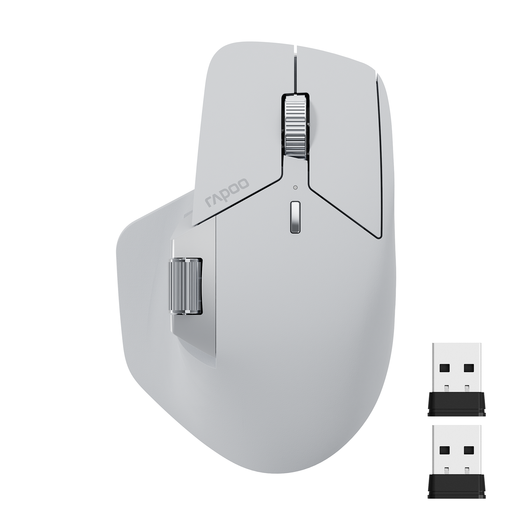
RAPOO Mice-MT760L-LG
For a workflow that moves between writing devices, check this model’s supported connections and paired-device capacity against your setup. If you use sideways navigation through documents, assess whether its controls suit that task. Confirm the actual hand shape before treating it as a vertical-mouse option; wireless charging requires a separately purchased module.
View on Joybuy
 No image available
V7 MW500BT Bluetooth Vertical Mouse, 2.4GHz dual-mode
This upright-grip option is worth assessing if you write mainly at a desk and prefer a vertical shape. Its title specifies six buttons and an adjustable sensor up to 1600 DPI. Check the exact variant’s handedness, hand-size fit and compatibility with your computer before choosing it for long sessions.
View on Joybuy
 No image available
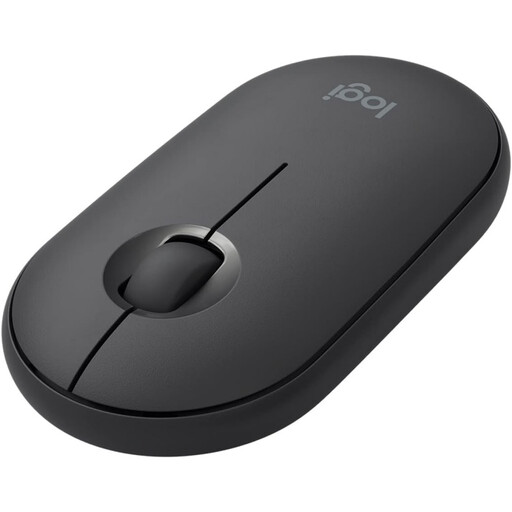
Logitech Pebble Mouse, black
Consider its low-profile shape if you carry a mouse between writing locations, but compare its hand support with a larger model for extended desk work. Confirm whether this exact Pebble variant connects by Bluetooth or a USB receiver and whether it works with your intended device; do not assume it has the switching features of the Pebble Mouse 2 M350s.
View on Joybuy
 No image available
ET USB Wireless Gaming Mouse with LED backlight
If you want a receiver-based mouse for writing on a PC, check that your device has a compatible USB port. The title specifies five adjustable DPI settings. Side buttons are stated to be unavailable on Mac, so check the controls you intend to use before buying.
View on Joybuy
Common questions
Do I need an ergonomic mouse to write a theatre script?
No particular mouse shape is necessary for everyone: choose one that fits your hand and can stay within easy reach. A vertical model is an option if you prefer its grip, while the Health and Safety Executive’s workstation guidance also calls for a straight wrist and supported forearm.
How should I arrange my mouse for a long writing session?
Place it close enough to avoid reaching and use it with a straight wrist and supported forearm, as the Health and Safety Executive advises. If you are an employee using display screen equipment daily for continuous periods of an hour or more, the Executive says your employer must assess the workstation and reduce identified risks.
Can a compact Bluetooth mouse take the place of a desk mouse?
It can if carrying it and using it with compatible devices matter more to you than a larger hand-supporting shape. Logitech specifies switching among three devices for the Pebble Mouse 2 M350s, while Microsoft describes the Surface Arc Mouse as snapping flat for travel; check the exact model’s features and compare its fit before relying on it for long desk sessions.
What should I do with an old mouse?
Look for a suitable local collection or retailer take-back route for electrical equipment rather than assuming an old mouse belongs in ordinary household waste. UK government guidance describes electrical-waste recovery, reuse and recycling measures; check which collection arrangements are available where you live.


