Set the standing desk and mouse position before choosing a shape: Health and Safety Executive guidance says to keep your shoulders relaxed and the mouse in line with your elbow. A vertical mouse that fits your hand is an option if an upright grip matters most; a centred rollerbar addresses repeated sideways reaching, but needs more desk space and uses a different control method.
Who these choices suit
Writers reconsidering their pointing posture
If drafting and revising involves frequent cursor movement while standing, start by checking shoulder position and mouse reach. Health and Safety Executive guidance addresses both; research published in Ergonomics also found differences in wrist position when participants used a vertical rather than a standard mouse.
Writers who need a particular hand fit
Hand size and dominant hand can rule out an otherwise appealing shape. Logitech describes Lift as fitting small to medium hands and offers a left-handed option, while Kensington specifies its Pro Fit Ergo Vertical Wireless Mouse for average to larger hands and right-handed use.
Writers trying to reduce sideways reach
If reaching away from the keyboard is the main difficulty, a keyboard-front rollerbar is worth considering. Check that your desk has room for it: Contour Design lists the RollerMouse Red at 16.14 inches long.
What matters when choosing
Vertical mouse
Consider it when: You want an upright grip and can find a shape suited to your hand size and dominant hand.
Allow for: An adjustment period. A study published in Ergonomics found longer time-to-target with a vertical mouse than with a standard mouse before familiarisation.
Centred rollerbar
Consider it when: Reaching sideways from the keyboard is your main concern and you have space in front of it.
Allow for: A different way of controlling the cursor and a wider device on the desk.
| Concern | What to check | Who this matters to |
|---|
| Posture and reach |
Position the mouse in line with your elbow and check whether an upright grip or keyboard-front control addresses your main difficulty. |
When I stand to draft and revise, I want to move the pointer without lifting my shoulder or repeatedly reaching away from the keyboard. Roughly 50% of consumers put posture and reach first. |
| Hand fit |
Check the exact variant's hand-size guidance, handedness and button reach. |
If the shell is awkward for my hand or dominant side, its shape is unlikely to work for my writing routine. For around 33% of consumers, fit is the primary concern. |
| Quiet navigation |
Look for a stated quiet-click feature and controls that suit the writing software you use. |
In a shared writing space, I want clicks to be less intrusive while I scroll and make repeated edits. Quiet operation and navigation come first for roughly 17% of consumers. |
Mistakes to avoid
-
Changing the mouse before adjusting the desk
A new shape will not put the mouse within comfortable reach if the standing setup makes you shrug your shoulders or stretch forward. The Health and Safety Executive advises relaxed shoulders and a mouse in line with the elbow.
Set the desk, keyboard and pointing-device positions first; then decide whether grip angle or sideways reach still needs attention.
-
Assuming every vertical mouse fits the same hand
Logitech specifies Lift for small to medium hands and offers a left-handed option. Kensington specifies its Pro Fit Ergo Vertical Wireless Mouse for average to larger hands and right-handed use.
Check hand-size guidance, handedness and button reach for the exact variant, rather than relying on the product-family name.
-
Expecting instant precision from a new grip
A study published in Ergonomics reported longer time-to-target with a vertical mouse than with a standard mouse before users had become familiar with it.
If rapid script revisions matter, allow time to learn the controls and try the shape before depending on it for a deadline.
Brands to consider
Logitech
The Lift line is a vertical-mouse reference for writers considering a smaller hand fit or a left-handed option.
- Logitech specifies a 57-degree angle, quiet clicks and suitability for small to medium hands.
- Those fit dimensions should not be assumed suitable for larger hands; check the exact variant before choosing.
Kensington
The Pro Fit Ergo Vertical Wireless Mouse is a different fit option for right-handed writers with average to larger hands.
- Kensington specifies a 46.7-degree slope, little-finger support and a 2.4 GHz receiver connection.
- The cited model is right-handed, so it is not a substitute for a left-handed variant.
Contour Design
The RollerMouse Red represents keyboard-front cursor control for a fixed workstation.
- Contour Design specifies a central rollerbar, wired USB-C connection with a USB-A adapter, and adjustable cursor sensitivity.
- At a stated 16.14 inches long, it needs desk space and uses a different control method from a side-mounted mouse.
Trust
The Bayo II Wireless is a vertical option for writers who also prioritise quieter clicks.
- Trust specifies silent buttons, a 57-degree vertical angle and a 2.4 GHz USB receiver.
- Check that the receiver suits your computer's available ports and that the shape fits your hand.
Joybuy mouse choices
These choices cover vertical mice for an upright grip and wireless mice with stated quiet-click features for shared writing spaces. Judge each against your hand fit, desk position and connection needs.
 Image unavailable
HP 920 Ergonomic Wireless Mouse, black, with detachable wrist rest
Consider this model if you want a wireless mouse with a detachable wrist rest for script drafting. Check the shape against your hand and confirm its click noise if you work in a shared space.
View on Joybuy
 Image unavailable
V7 MW500BT Bluetooth Vertical Ergonomic Mouse
Consider its vertical grip if you want a more upright hand position while editing. The product name specifies Bluetooth and 2.4 GHz connection options, six buttons and an adjustable sensor rated at 1600 DPI; check hand fit and click noise separately.
View on Joybuy
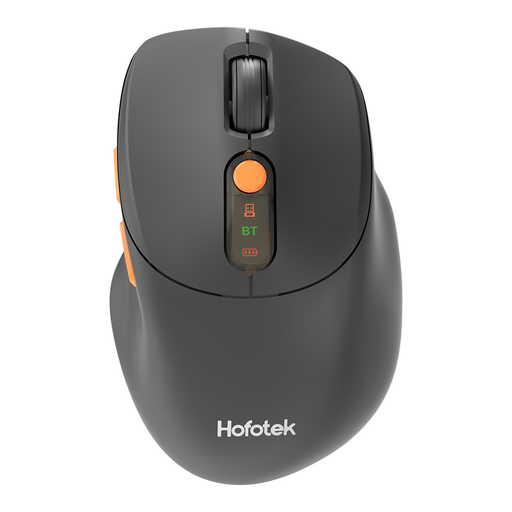 Image unavailable
HOFOTEK M311 2.4G+BT Silent Office Mouse, black-orange
Consider this mouse when quieter clicks matter during shared writing sessions. Its name specifies adjustable DPI and one AA battery; check its shape and hand fit rather than assuming it has a vertical grip.
View on Joybuy
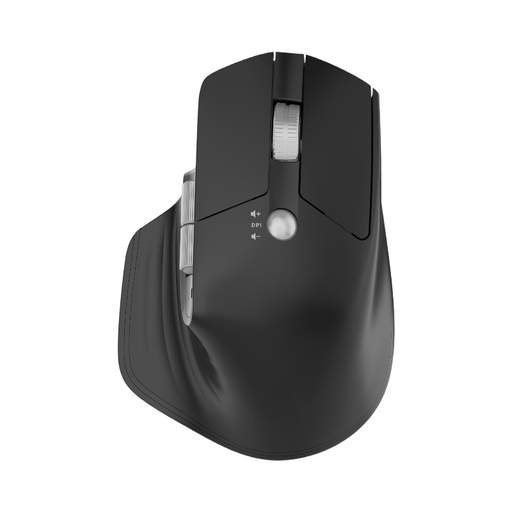 Image unavailable
Ochama Silent-Click Wireless Ergonomic Mouse
Consider it for quiet clicks and one-touch DPI adjustment while navigating a script. Its name lists Bluetooth and 2.4G wireless connections; confirm compatibility with your writing device, along with its shape and hand fit.
View on Joybuy
Questions about standing-desk mice
How should I position a mouse when writing while standing?
Keep it in line with your elbow and adjust the workstation so your shoulders can relax, as the Health and Safety Executive advises. Set the desk and keyboard position before judging whether a different mouse shape helps with reaching.
Will a vertical mouse feel slower for script editing at first?
It may take time to get used to. A laboratory study published in Ergonomics found longer time-to-target with a vertical mouse than with a standard mouse and noted that familiarisation may be needed; allow for that when planning intensive revisions.
Should I change the mouse if standing-desk work causes discomfort?
Check the whole workstation rather than treating a mouse change as a remedy. Health and Safety Executive guidance covers workstation assessment for daily display-screen work; if discomfort persists, seek appropriate professional advice instead of relying on an input device to resolve it.


