
24/7 Customer Support

Free returns

Same-day & Next-day Delivery

Quality Guaranteed

Unlock Your Welcome Offers: FREE Delivery | Up to 80% OFF | Free 30-day JoyPlus trial
Download the APP
Whether you're holding a plank, flowing through a yoga sequence or completing a set of crunches, the surface beneath you matters. A thin, slippery mat can lead to discomfort in your joints and a loss of focus. If you're looking for a more comfortable and stable foundation for your fitness routine, a thick exercise mat is an excellent starting point.
This guide is designed to help you navigate the key features to consider, from material to thickness, so you can find a mat that supports your specific workout needs. We'll look at what makes a good joint support mat and highlight some popular options to help you make an informed choice.
Choosing the right mat goes beyond simply picking the thickest one. Here are a few practical points to consider before you buy.
The material of your mat affects its grip, durability and feel. The most common options you'll encounter are:
While this guide focuses on thicker mats, "thick" can mean different things.
If you plan to take your mat to a class or simply want to store it neatly, look for features that aid portability. An exercise mat with carry strap is a simple but highly practical feature that makes transport and storage much easier, making it a perfect home workout mat that can also travel.
Here are a few options that stand out for their features, materials and suitability for different types of home fitness.
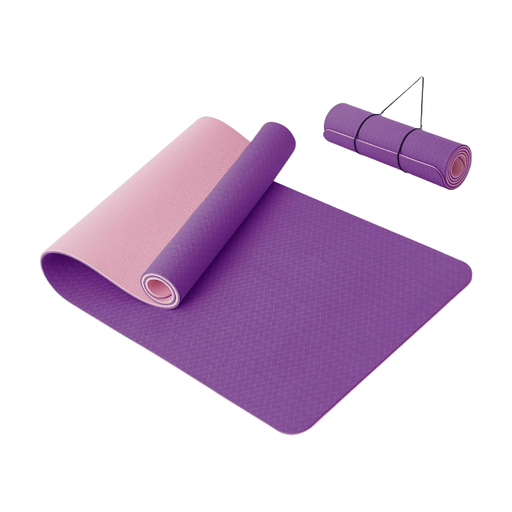
Why It Stands Out: This mat strikes a great balance between comfort and stability. Made from high-density TPE, it features a dual-sided non-slip design, with a wave texture on the bottom for floor grip and a patterned top for hand and foot traction. At 10mm thick, it provides ample cushioning for a wide range of activities.
Pros:
Who is it for? Fitness beginners and those practising yoga or Pilates who need a versatile, comfortable and portable mat for home or studio use.
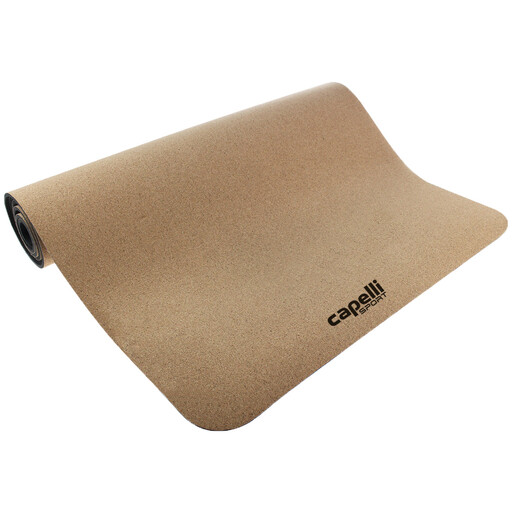
Why It Stands Out: This mat combines a natural cork surface with an eco-friendly TPE base. The cork top is known for being moisture-proof and odour-resistant, and its grip can improve as you sweat, making it suitable for more intense workouts or hot yoga. While thinner at 5mm, the dense materials provide a firm, grounded feel.
Pros:
Who is it for? Yoga practitioners, especially those who enjoy hot yoga or prefer a more natural, grounded feel with reliable grip.
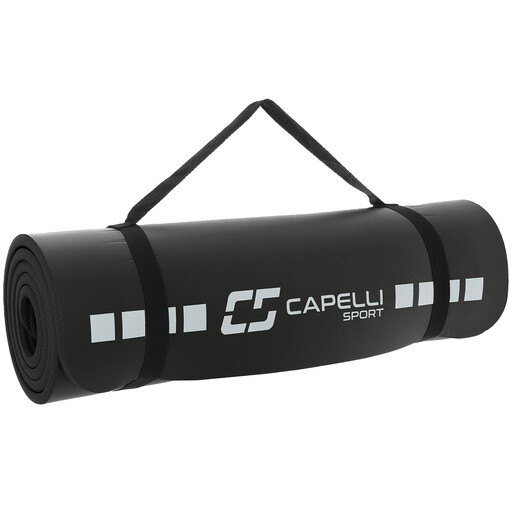
Why It Stands Out: With a thickness of 1.2cm (12mm), this mat from Capelli Sport is built for maximum comfort. Made from resilient NBR foam, it offers significant shock absorption and cushioning, making it an excellent joint support mat. The textured surface helps maintain traction, and the included carrying strap makes it easy to roll up and store.
Pros:
Who is it for? Individuals who prioritise joint protection and comfort for general fitness, stretching or core workouts, and those with sensitive knees or backs.
If you haven't found the perfect match yet, or want to compare more styles and thicknesses, there are many other options available.
? Explore our full range of thick exercise mats on Joybuy UK
1. What is a good thickness for an exercise mat? For general fitness, Pilates and beginner yoga, a thickness of 8mm to 12mm is often ideal. This provides a good balance of cushioning for comfort and stability for balance. If you have particularly sensitive joints, you might prefer a mat that is 12mm or thicker.
2. How do I stop my exercise mat from slipping on the floor? Choose a mat with a textured, non-slip underside, like the wave pattern found on many TPE mats. Ensure your floor is clean and dry before laying the mat down. For very slippery floors like polished hardwood, a mat with a rubber or TPE base generally performs better than PVC.
3. Is a thicker mat always better for yoga? Not necessarily. While a thick exercise mat is great for comfort in restorative or gentle yoga, an overly soft, thick mat (over 12mm) can make standing and balancing poses more difficult as it creates an unstable surface. Many experienced yogis prefer a thinner mat (4-6mm) for a better connection to the ground. For a yoga mat for beginners, 8-10mm is often a good compromise.