
24/7 Customer Support

Free returns

Same-day & Next-day Delivery

Quality Guaranteed

Unlock Your Welcome Offers: FREE Delivery | Up to 80% OFF | Free 30-day JoyPlus trial
Download the APP
A reliable exercise mat is the foundation of any good home workout, whether you're flowing through a yoga sequence, holding a Pilates pose or completing a HIIT session. However, the search for a quality thick non-slip yoga mat can be frustrating. Many mats look the part but fail to deliver on their promises, leading to wasted money and even potential injury.
As the Joybuy Product Recommendation Officer, my role is to help you navigate the market and identify the features that truly matter. Before you make a purchase, be aware of these common pitfalls that catch out many UK shoppers.
hot yoga.To avoid these issues, focus on a few key specifications. Understanding these will empower you to choose a fitness mat that provides genuine stability, comfort and longevity.
The material of your mat is the single most important factor for performance and durability.
eco-friendly yoga mat. High-density TPE resists compression and is highly durable.While a thick mat can be comfortable, thickness without density is useless.
workout mat for home where comfort is a priority.Look for a mat with a distinct, dual-sided texture. One side should be designed to grip the floor securely, preventing the mat from sliding during your workout. The other side should provide a tactile, non-slip surface for your hands and feet. This dual-design is a hallmark of a well-engineered exercise mat.
Based on these practical criteria, we've matched several products to different user needs.
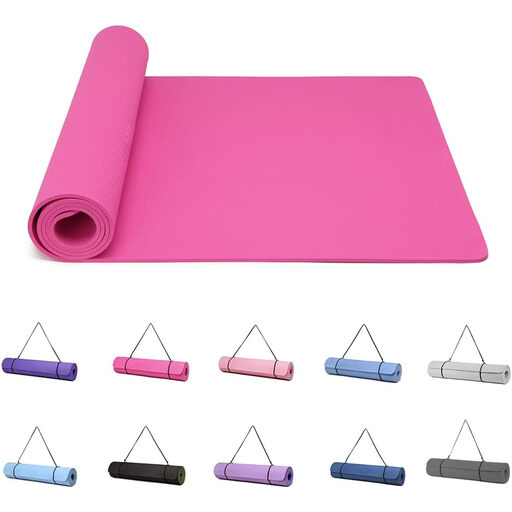
Why This Fits Their Persona: This mat offers a great balance for those starting a home fitness routine. The 6mm thickness provides enough cushioning for comfort without compromising the stability needed to learn poses correctly. It's a versatile `pilates mat` and general `fitness mat` in one.
The high-quality TPE material and dual-textured surface directly counter the "slippery when it counts" and "durability dud" pitfalls common in cheaper mats.
Lightweight and includes a yoga mat with carry strap for easy transport and storage. The dual-sided non-slip texture ensures a secure grip on various floor types.
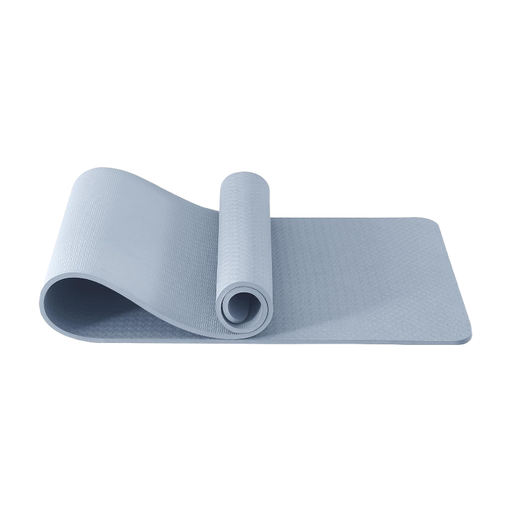
Why This Fits Their Persona: For those who prioritise joint protection during floor-based workouts like Pilates, stretching or using a `gymnastics mat` at home, the extra cushioning of this 10mm mat is a significant benefit.
Its high-density TPE construction prevents the "compression crush." The 10mm thickness provides genuine, lasting support for the spine, hips and knees, unlike cheaper, low-density foam mats.
Superior cushioning for maximum comfort during floor exercises. The water-resistant surface is easy to wipe clean after a workout.

Why This Fits Their Persona: This mat is purpose-built for sweaty conditions. The natural cork surface is ideal for anyone who practices `hot yoga` or has an intense workout style, providing confidence and stability when it's needed most.
It completely solves the "slippery when wet" problem. The natural cork surface becomes grippier with moisture, offering enhanced traction as you sweat, which is the opposite of how inferior mats perform.
Excellent sweat-proof grip and is naturally odour-resistant. The 5mm TPE base still provides comfortable cushioning and stability.
We have compiled a complete, real-time list of products that fully satisfy these strict selection criteria and UK safety regulations.
For both TPE and cork mats, avoid harsh chemical cleaners and machine washing. Simply wipe the surface with a damp cloth and a small amount of mild soap and water. For a cork mat, allow it to air dry completely before rolling it up. For a TPE mat, you can wipe it dry or let it air dry. Regular cleaning will prolong its life and maintain its grip.
With regular use (3-5 times per week) and proper care, a high-quality TPE or cork/TPE mat should last for several years. Cheaper PVC mats may show signs of wear like flaking or loss of grip within a year. The key indicators of a mat needing replacement are a noticeable reduction in grip, permanent indentations or visible tears and peeling.
For some individuals, a very thick 10mm yoga mat can feel slightly less stable during one-legged balance poses, as it creates more cushioning between your foot and the solid floor. If your practice involves a lot of advanced balance work, a 5-6mm mat might provide a better sense of grounding. However, for beginners or those prioritising comfort in seated and lying poses, the 10mm thickness is often preferred.