
24/7 Customer Support

Free returns

Same-day & Next-day Delivery

Quality Guaranteed

Unlock Your Welcome Offers: FREE Delivery | Up to 80% OFF | Free 30-day JoyPlus trial
Download the APP
A good quality, thick yoga mat can be the difference between a comfortable, supportive workout and one that leaves your joints feeling the strain. However, the market is filled with options that look great online but fail to deliver in practice. As a Joybuy Product Recommendation Officer, my role is to help you see past the marketing and focus on what truly matters. Before you add that promising-looking mat to your basket, let's look at three common pitfalls that lead to buyer's remorse.
To ensure you choose a mat that supports your practice for years to come, focus on these core parameters instead of just the advertised thickness.
The material of your mat dictates its grip, durability, weight and environmental impact.
The number of millimetres is only half the story. A thick yoga mat must also be dense to provide true support.
The texture of the mat's surface is critical for a safe, non-slip pilates mat experience. Look for visible patterns, waves or dimples designed to provide traction. If you plan to take your mat to a studio or the park, a workout mat with carry strap is an essential feature that adds significant convenience.
Based on these practical criteria, here are a few options tailored to different user needs.
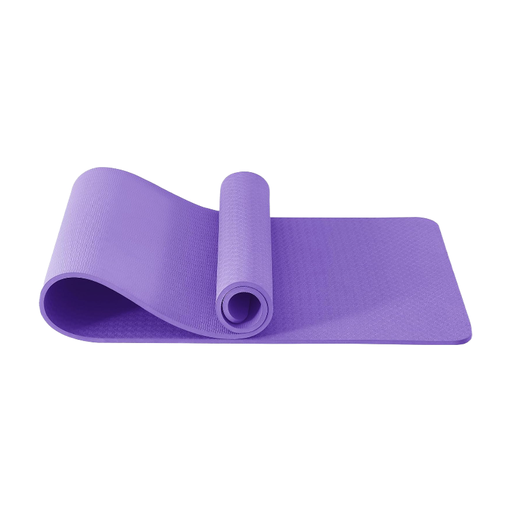
Why This Fits Their Persona: Perfect for those starting their fitness journey at home. This mat is versatile enough for yoga, Pilates and general stretching, offering significant comfort on hard UK floors without a hefty price tag.
The 10mm thickness is paired with high-density TPE, providing cushioning without the unstable "sinking" feeling. Its double-sided non-slip texture directly counters the slippery surface trap.
Excellent joint protection for floor work. The included workout mat with carry strap makes it easy to pack away or take to a class.
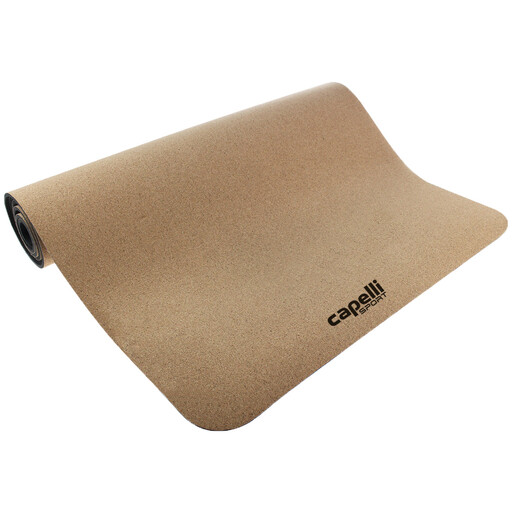
Why This Fits Their Persona: For practitioners who frequent heated classes or simply sweat a lot and who prioritise sustainable materials. This mat's performance improves in challenging conditions.
It completely solves the "slippery surface surprise" because the natural cork top gets grippier when damp. This makes it a purpose-built hot yoga mat that you can rely on.
An eco-friendly yoga mat choice that is naturally odour-resistant. The TPE base provides cushioning while the cork surface ensures stability and superior grip during sweaty sessions.
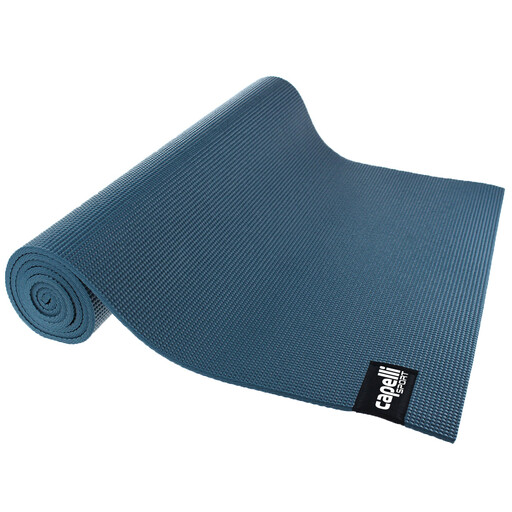
Why This Fits Their Persona: For the user who does a bit of everything—from dynamic yoga to HIIT floor workouts. They need a durable mat that balances cushioning and stability for varied movements.
The 7mm memory foam construction hits the sweet spot, avoiding the "too soft" trap by providing dense, responsive support. The non-slip coating is specifically designed to prevent grip failure.
The memory foam offers excellent joint support and rebounds quickly, making it a durable floor exercise mat for a wide range of home fitness routines.
We have compiled a complete, real-time list of products that fully satisfy these strict selection criteria and UK safety regulations.
It depends on your practice. For gentle, restorative or floor-based yoga and Pilates, a 10mm yoga mat provides excellent comfort and joint protection. However, for more dynamic styles like Vinyasa or Ashtanga that involve many standing balance poses, some practitioners prefer a slightly thinner (5-8mm) and denser mat for a more stable, grounded connection to the floor.
The lifespan of your mat depends heavily on its material and how often you use it. A high-density TPE or cork mat used several times a week can last for 2-5 years. A lower-quality, low-density mat may start to show significant wear, such as flaking, permanent indentations or loss of cushioning, within a year of regular use.
Some new mats have a thin film left over from the manufacturing process that can make them feel slick. You can often remedy this by giving the mat a gentle clean. Wipe it down with a damp cloth and a very small amount of mild soap and water. Rinse with a clean, damp cloth and, most importantly, allow it to air dry completely before rolling it up. Never use harsh chemical cleaners, as they can damage the mat's surface.